May 4, 1934
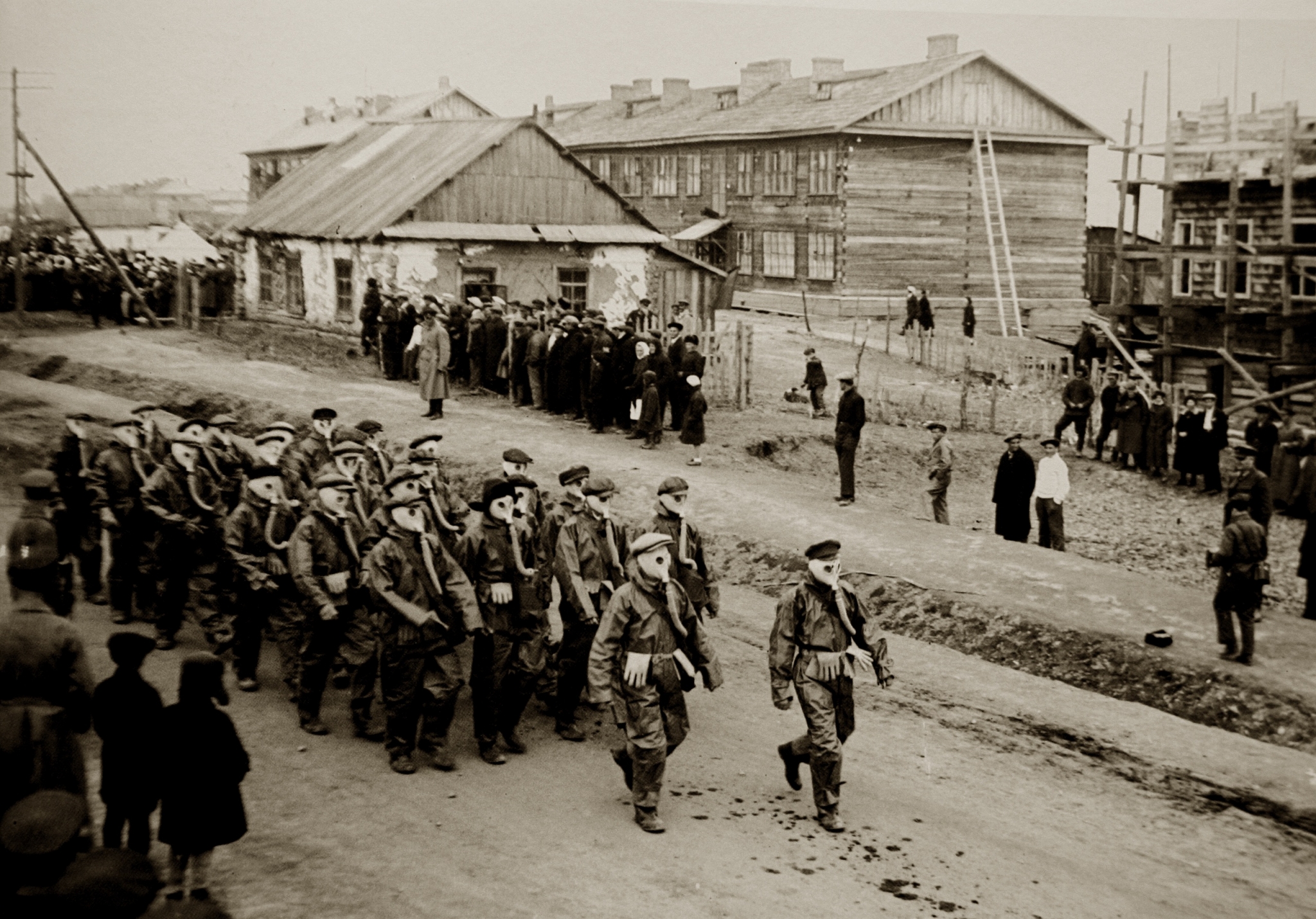
Air defense points were created in Birobidzhan, transformed into headquarters, and then into the Main Directorate for Civil Defense and Emergency Situations of the Jewish Autonomous Region.
May 4, 1943
The resolution “On the results of economic activities of MTS for 1942” adopted by the bureau of the regional committee of the All-Union Communist Party of Bolsheviks noted that the Birobidzhan, Volochaevsk, Pereselencheskaya and Birsk machine and tractor stations in 1942 fulfilled the tractor work plan by 142% and saved 164 thousand rubles.
Amurskaya, Leninskaya, Voroshilovskaya MTS failed to meet key production indicators.
The attention of the directors and heads of political departments of MTS and land authorities was drawn to the need to successfully implement agrotechnical measures on time, and to mobilize MTS workers to fight for high yields.
May 4, 1966
The meeting of the party organization of the Teploozersky cement plant discussed the results of the XXIII Congress of the CPSU and the tasks of the party organization. It was noted that the plant fulfilled its pre-congress obligations ahead of schedule; about four thousand tons of cement were produced above the plan. The meeting participants approved the decisions of the XXIII Congress of the CPSU and outlined measures to further increase production efficiency, improve product quality, use of materials, raw materials, and capital investments.
May 4, 2000
In the “Birobidzhan Star” (12+) for May 4, 2000, under the heading “Let’s bow to those great years,” “Chronicle of the War: Year after Year” was published. It tells about important events taking place in the region from 1941-1945, provides facts and figures.
Let's look at the chronicle:
“June 23, 1941. The regional newspapers “Birobidzhanskaya Zvezda” and “Birobidzhaner Stern” (12+) published a message from the Soviet government dated June 22, 1941 about the treacherous attack of Nazi Germany on the Soviet Union. The Great Patriotic War began…”
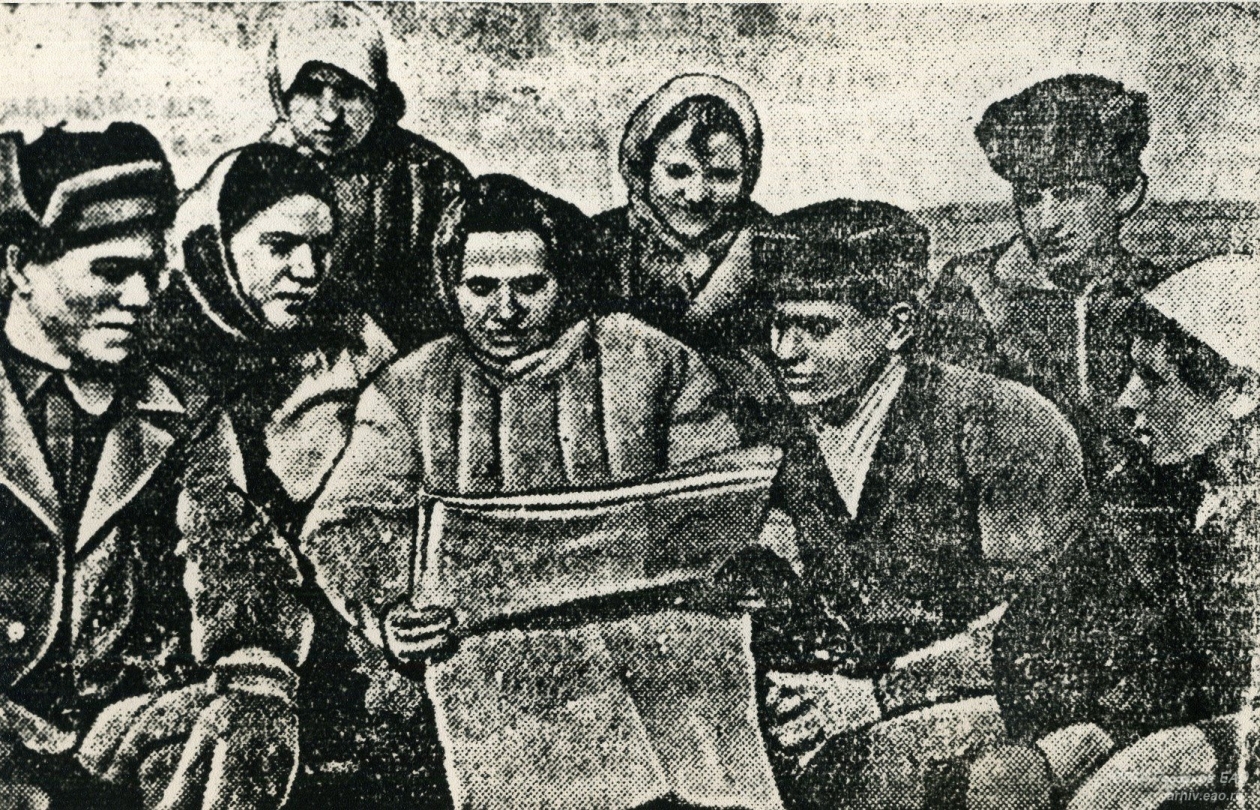
Agitator of the collective farm “Valdheim”, foreman of vegetable growers Sh.M. Kochina holds a conversation about events at the front. March 1942 p. Waldheim. Photo: Photo: State Archive of the Jewish Autonomous Region
“July, 1941. At the initiative of the Soviet people, the Motherland Defense Fund was formed. On July 4, the first installment of 150 rubles was received into the account of the State Bank of Birobidzhan. – from the home owners living in house No. 20 on the street. Partisan (now Sholom Aleichem), and in total during the war years, the working people of the region contributed more than 90 million rubles to the Homeland Defense Fund.”
“September 9, 1941 Through the newspaper, the garment factory staff addressed the workers of the region with an appeal to collect warm clothes and shoes for the soldiers of the Red Army and Navy. During the first two years of the war, 65 thousand warm clothes were collected.”
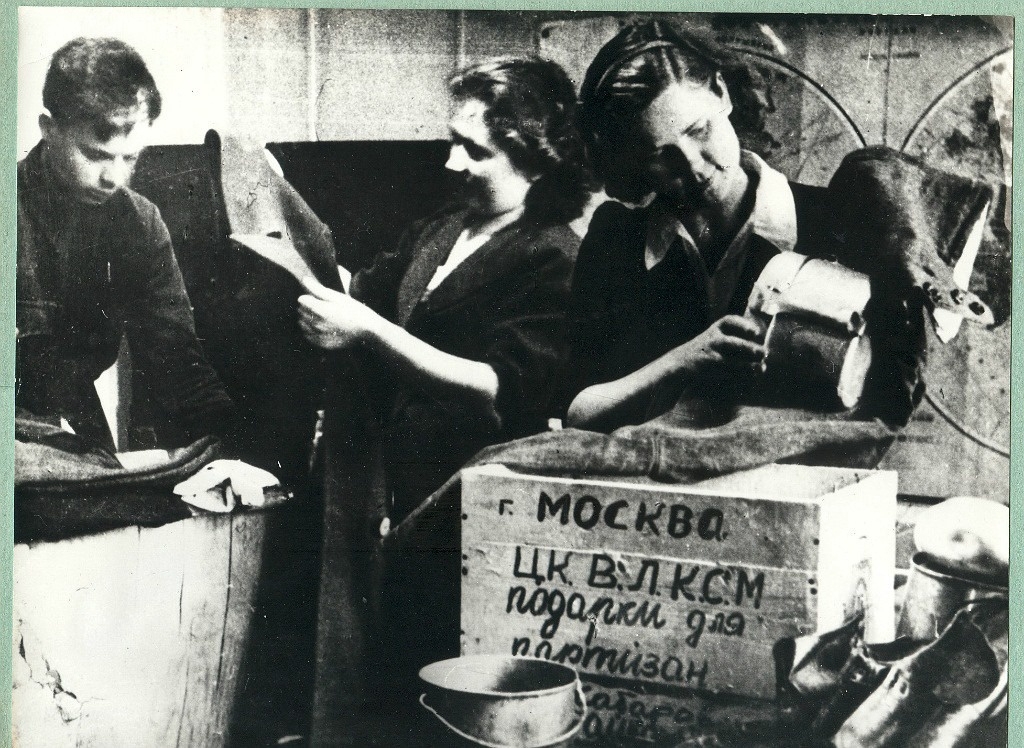
Birobidzhan women collect parcels for the front. 40's rock. Photo: Photo: State Archive of the Jewish Autonomous Region
“January 10, 1942 A train with gifts to the soldiers and commanders of the active Red Army from the workers of the Khabarovsk Territory arrived in Moscow. The accompanying delegation included I. I. Rak, foreman of the tractor brigade for “Waldheim” and A. V. Vashlyaev, deputy. head of the political department of the Obluchensky branch of the Far Eastern Railway. During the first two years of the war, the region’s workers sent 60 thousand individual and about two thousand collective gifts worth over a million rubles to the front.”
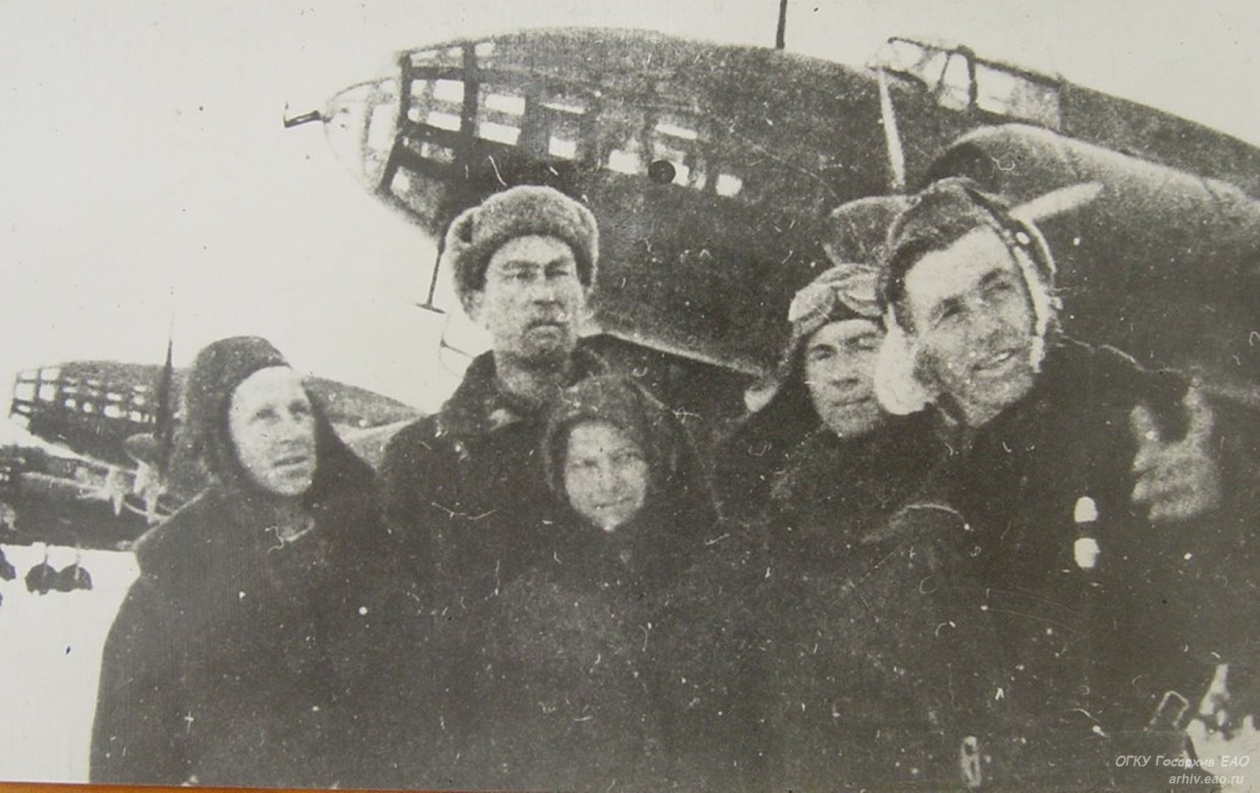
Chairman of the Trudovaya Niva collective farm E.I. Simonov and front-line pilots near the planes built with funds raised by the workers of the Jewish Autonomous Region. Photo: Photo: State Archive of the Jewish Autonomous Region
“December 21, 1942 members of the Waldgeim agricultural artel supported the initiative of the collective farmers of the Tambov region and sent an open letter to the workers of the villages of the Khabarovsk Territory to raise funds for the construction of military vehicles. The Waldheim residents contributed 250 thousand rubles in cash for the construction of a squadron of “Jewish Collective Farmer” aircraft. The squadron became part of the 21st Long Range Bomber Regiment. She took part in the battles for Crimea, Minsk, Brest, Budapest, and Berlin. The 21st regiment was awarded the Order of the Red Banner. He was awarded the rank of guardsman.”
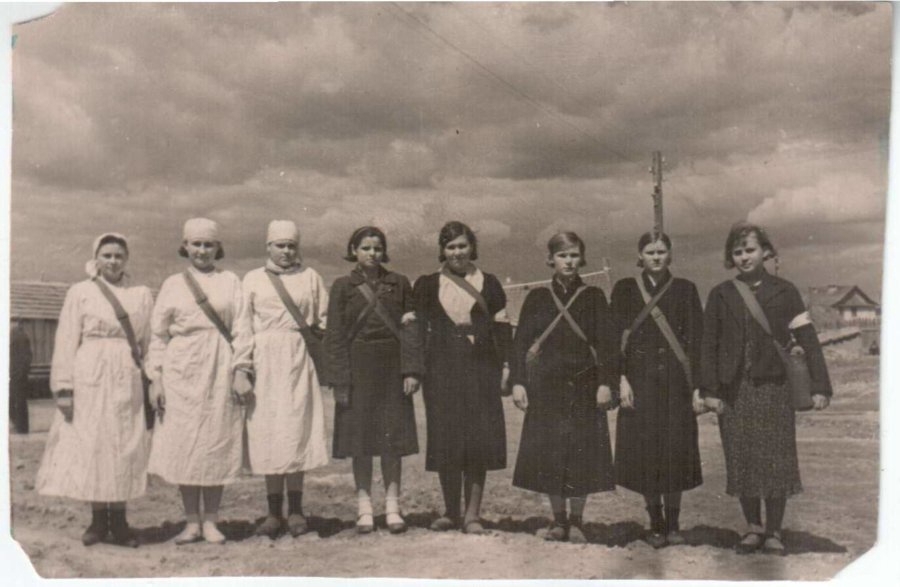
WWII. From the city of Birobidzhan alone, 8,700 of the best representatives of the working class and intelligentsia went to the front. Many of them died. Photo: Photo: State Archive of the Jewish Autonomous Region
“April 6, 1943 The sailors of the gunboat “Bira” of the Ladoga military flotilla sent a letter-report to the workers of the region about the ship's military operations.”
“September 15, 1943 In the mechanical shop of the wagon factory, a Komsomol-youth front-line brigade was created, headed by master Komsomol member Ivan Kirillov. The brigade joined the socialist competition to fulfill standards with the number of workers halved. The brigade did an excellent job fulfilling front-line orders. In the same year, I. I. Kirillov was awarded a government award – the medal “For Labor Distinction”. The front-line brigade of Tanya Borchenko from the garment factory, Semyon Mikhaichulo from the car repair point of the station became widely known. In.
In total, 68 front-line brigades were created at enterprises in the region.”
“March 24, 1944 the team of the Birobidzhan factory named after. Dimitrova appealed to the workers of the region to raise funds for orphans who suffered from fascism.”
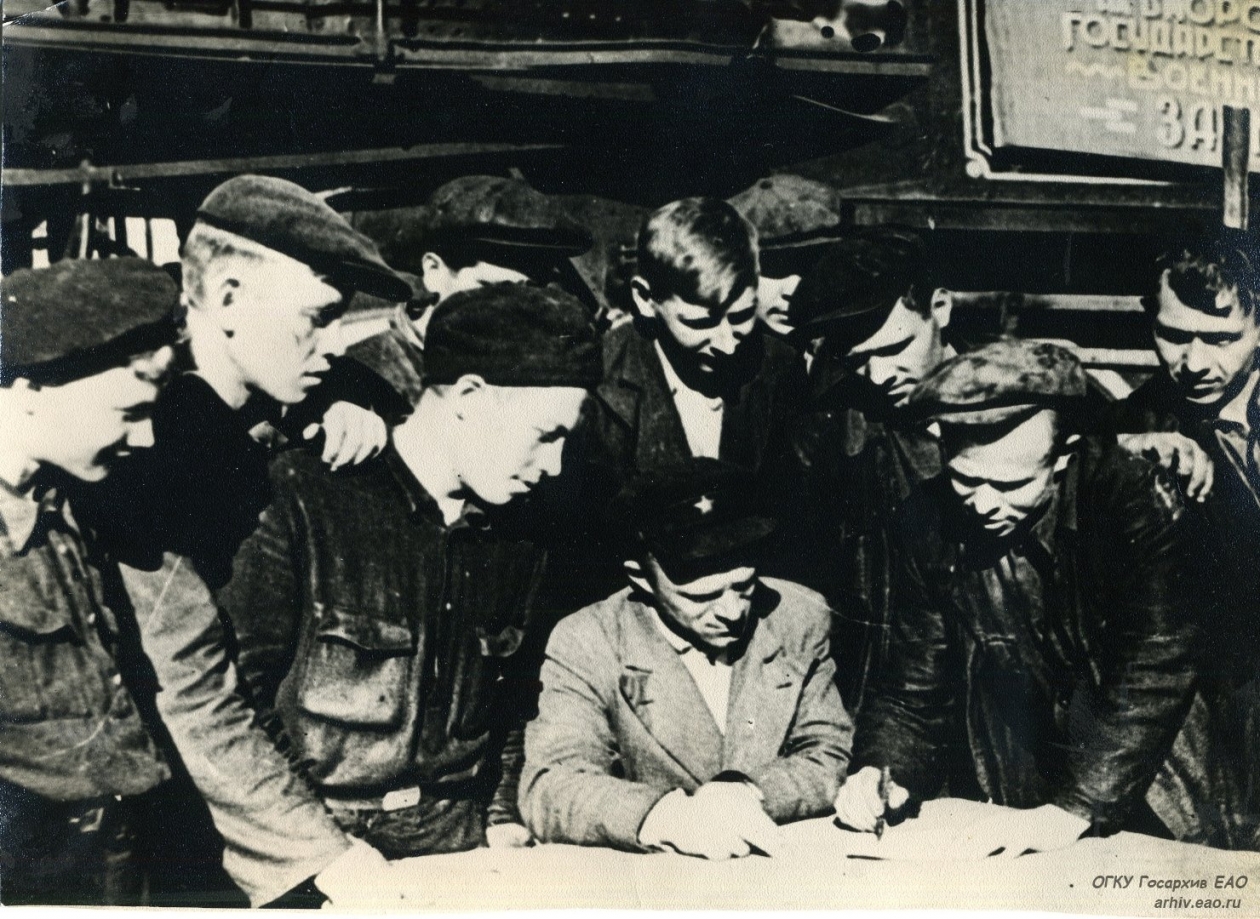
Subscription to the State War Loan. 1940s. Photo: Photo: State Archive of the Jewish Autonomous Region
“September 20, 1944 The regional committee bureau approved the patriotic initiative of the collective farmers of the village of Zhelty Yar “On drying vegetables and potatoes for the Red Army.” This initiative was warmly supported by Komsomol members and the youth of the region. More than 40 tons of dried potatoes were sent to the active army”
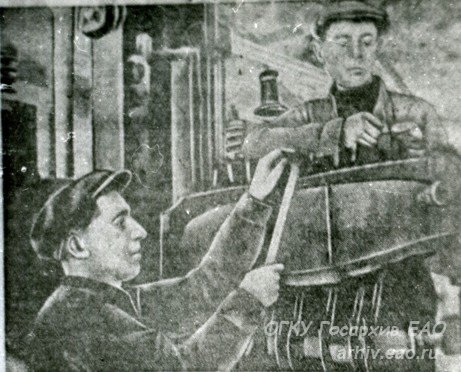
Workers of the Birobidzhan convoy plant Volynsky V. Sh., Burd S. M., fulfilling more than two standards daily. 1941. Photo: Photo: State Archive of the Jewish Autonomous Region
.
“[1945 The city's enterprises, having quickly mastered and established production of products for the front, successfully coped with the fulfillment of military orders. They gave the front more than 1.5 thousand wagons of ammunition, 56 trains of special containers for ammunition, 6 thousand parachutes, 38 wagons of military sanitary equipment, 500 thousand sets of military uniforms, 48 trains of military convoys, and a large amount of timber.
Collective and state farms handed over to the state 34.3 thousand tons of grain, 4.1 thousand tons of soybeans, 24.6 thousand tons of potatoes, 8.3 thousand tons of vegetables.
For heroic work during the war, 3,749 workers of the region were awarded the medal “For Valiant Labor in the Great Patriotic War.”
May 4, 2006
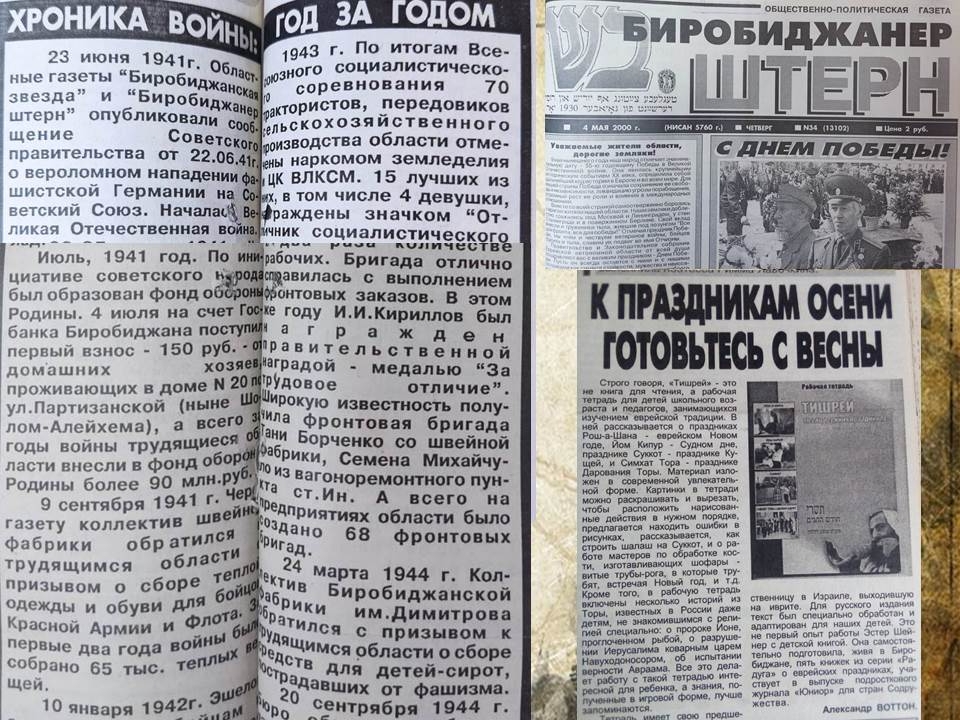
Clippings from the newspaper “Birobidzhaner Stern”. Photo: Photo: Newspaper “Birobidzhaner Stern”
The Birobidzhan Star informed its readers that in Moscow the publishing house of the Ord Avner Foundation had published a book about the Jewish autumn holidays, which was designed by the wife of the chief rabbi of the JAO, Rabanite Esther Sheiner, and the texts were translated into Russian by the Birobidzhan poetess Rimma Lavochkina.