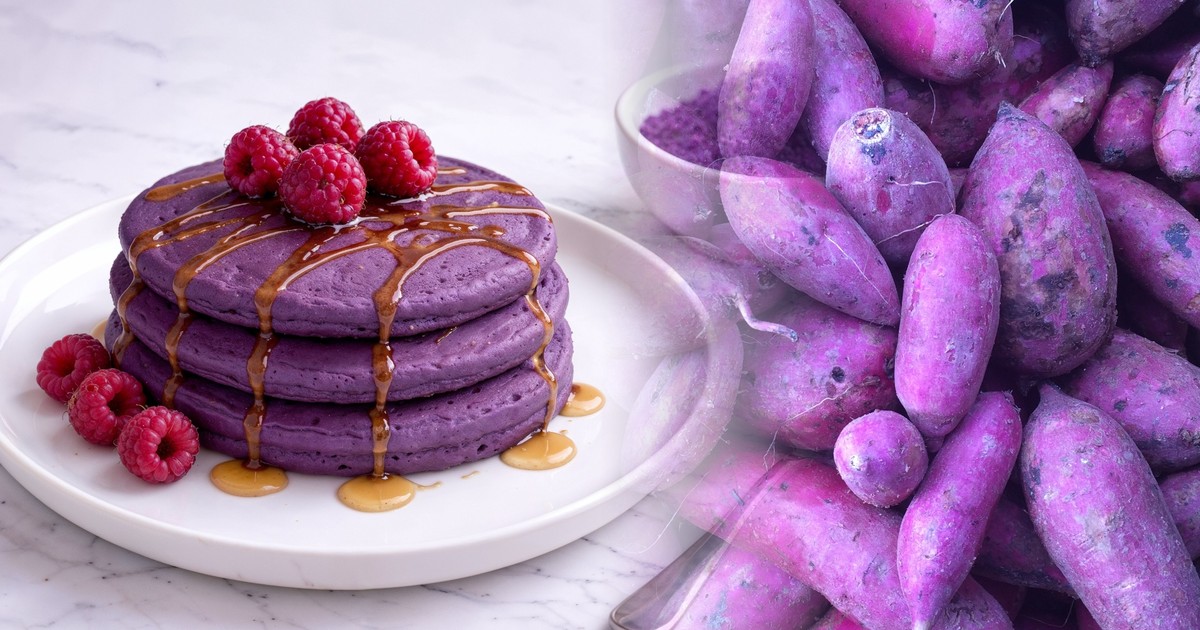
Purple color, exotic origin and “Instagrammable” effect – ube meets all the conditions of a new culinary hit. The popularity of ube is driven primarily by chain cafes and restaurants that are looking for differentiators in an increasingly competitive market.
In 2025, Starbucks introduced to its global offer, among others: Ube Iced Coconut Latte and Ube Espresso Martini. The trend is also starting to be visible in Central Europe. The first ube products and desserts also appeared in Polish shops and restaurants.
Demand is growing faster than production
Growing global demand for ube is a challenge for Filipino farmers. Climate change and difficulties in the availability of high-quality planting material limit production. According to the Philippine Statistics Authority, ube production decreased from 13,381 tons in 2024 to 12,483 tons in 2025. The Philippines has even started importing ube from Vietnam to meet demand.
Read also: There is an announcement of changes in the deposit system. The ministry announces the date
Exports are growing, the USA is the main recipient
Despite production problems, UBE exports are growing dynamically. In 2025, its value reached USD 3.2 million, which means an increase of 20%. year to year. More than half of exports go to the United States, with other key markets being Canada, Australia and the United Kingdom.
Sweets with ube are conquering the US and European markets
|
ZikG / Shutterstock
According to data from Datassential, the number of dishes and drinks with ube in American restaurants has increased by 230 percent in the last four years. Analysts forecast a further increase of 74%. in the next four years, reports CNBC.
— Ube has a very “accessible” taste and easily fits into popular drink and dessert formats. It's safe experimentation for consumers and very visually striking, says Emily Tang, product manager at Datassential.
Read also: Poles are increasingly booking accommodation through platforms. This, however, is controversial
Purple trend driven by social media
Although ube has been present on the market for decades, it was the growing popularity of Asian culture in pop culture and the power of social media that brought it to the mainstream. The intense purple fits perfectly into the aesthetics of Instagram and TikTok, where the appearance of a product often determines its success.
— The appearance of food and drinks has become an integral part of the consumer experience. Today it is an element of culture, summarizes Andrew Freeman from the consulting company AF&Co. in an interview with CNBC. — Taste is still important, but without a visual effect it is difficult to achieve viral success.