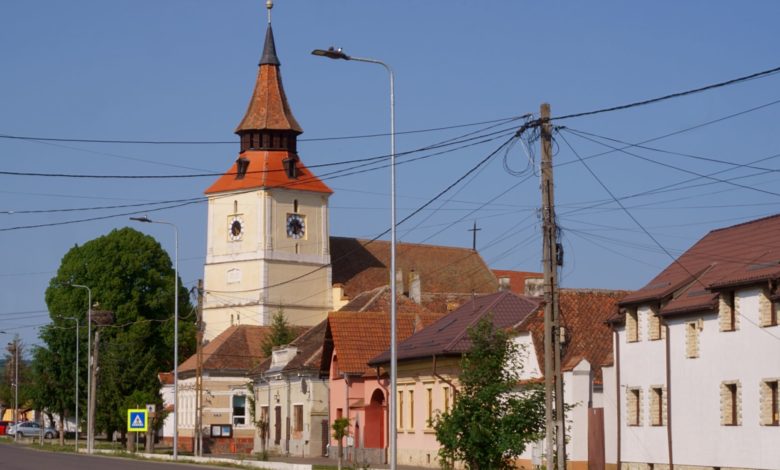
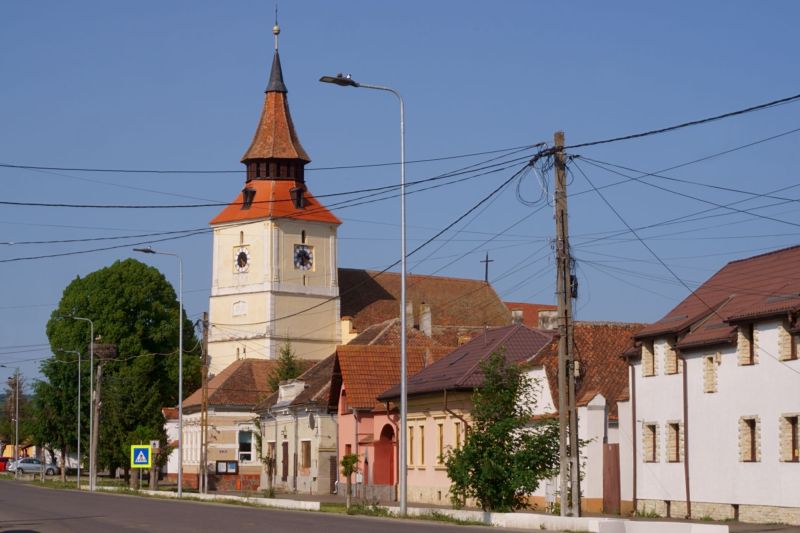
Bod commune, Brasov county (photo ramona Georgescu, dreamstime.com)
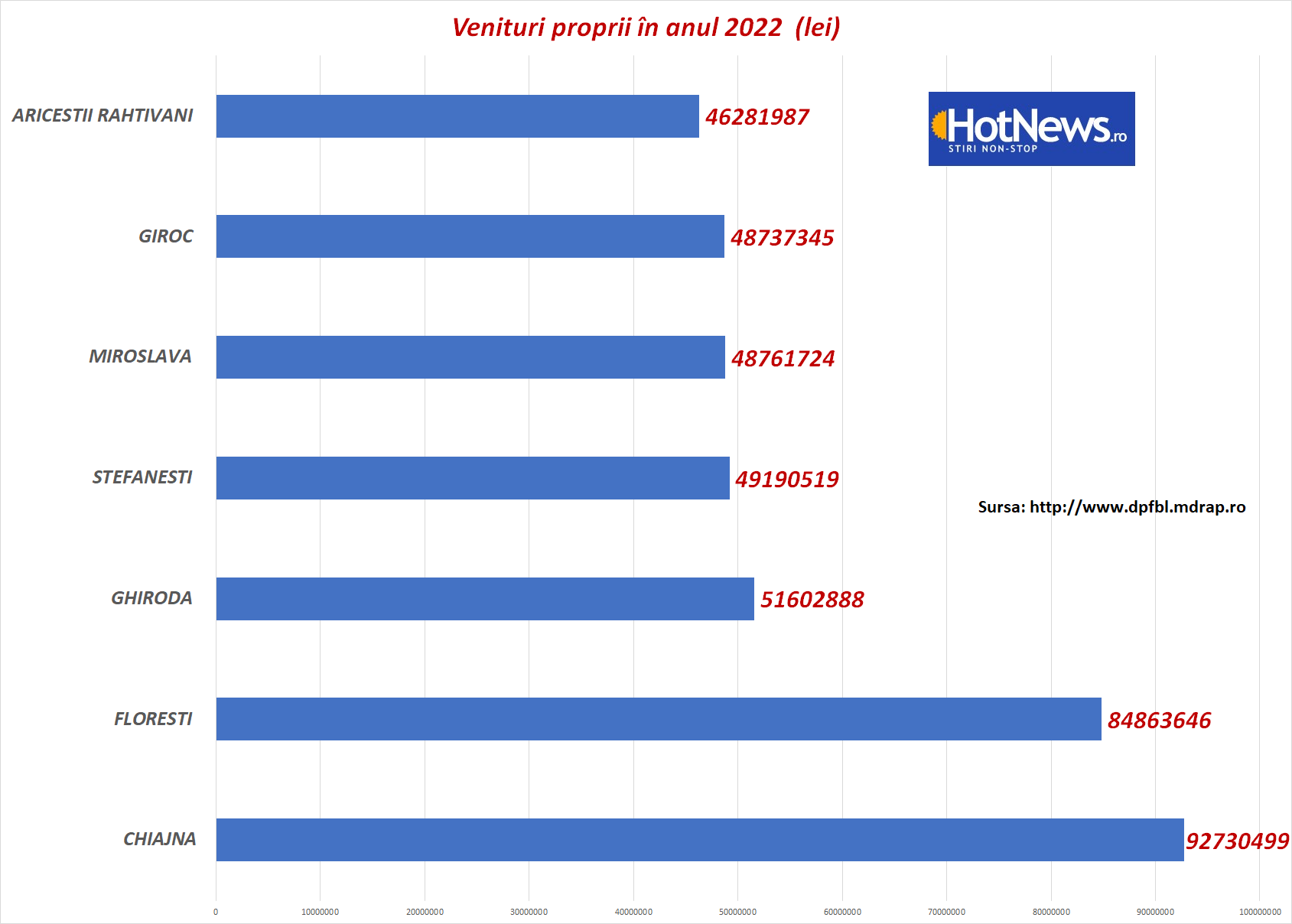
Despite the fact that they have the status of communes, several localities in our country have higher incomes than some county residences.
In the ranking of these communes we meet Chiajna (Ilfov), Florești (Cluj), Ghiroda (Timiș), Ștefănești (Ilfov), Miroslava (Iași), Giroc (Timiș) or Ariceștii Rahtivani (Prahova). All these have their own revenues greater than the residence of Teleorman county or famous tourist cities such as the Busteni or Predeal.
“Popești Leordeni will overcome, with the current trends, Râmnicu Vâlcea as a population. Also, in the next 20 years Romania could have the same population as Israel, which was more than four times smaller in 1992, and in 1948, when it was set up, it had 23 times fewer inhabitants than Romania,” Robert Santa, ” Think-Tank Rethink Romania
“The number of births in Florești, the suburb of Cluj, which had only 6,000 inhabitants in 1992 was equal last year with the number of births in Brăila, who had 234,000 inhabitants in 1992. If this trend continues, over a few years the two localities will enter full convergence, although in 1992 Braila was 39 times, but this is many times. Concentrated in places other than the infrastructure is concentrated, ”says Santa.
All the infrastructure of Romania- not only the one of transport, but the social school, national colleagues, vocational high schools, hospitals- is structured based on the population from the early 1990s, says the researcher.
There are other dramatic developments, adds Santa: Popești Leordeni will overcome, with the current trends, Râmnicu Vâlcea as a population. Slobozia Bradului, a commune in Vrancea county, which had just over 4,000 inhabitants in 1992, has more births than Deva.
Miroslava, a commune in Iasi, has more births than Reșița. Vicovul de Sus, a city on the border between Suceava and Ukraine county, is about to overcome Mediaș.
“With the tendencies we see now, Romania will have the same population as the state of Israel, which was more than four times smaller in 1992, and in 1948, when it was established, it had 23 times fewer inhabitants than Romania,” Santa told an event in Brasov.
Romania will look in a way that is not familiar to us today, he warns, reminding that until recently, Romania was a country in which the counties had a standard municipality that was older, more prominent, with a school ecosystem (usually one or two very good national colleges, where you were going to learn).
Florești- the locality with the youngest and most educated population in Romania
You would probably have thought that the locality with the youngest and most educated population in Romania is the capital. Wrong! It is a commune near Cluj, more precisely the town of Florești, shows a report of the World Bank, recently published. The report analyzes from the Demographic point of view of Cluj County and proposes scenarios regarding its development.
- In Florești commune lives the youngest and most educated population in the country. On the other hand, there are common with a strong aging population, where the report of demographic dependence of the elderly exceeds 50%.
- Florești commune stands out with an official population of 38,257 inhabitants, this being the rural settlement with the largest population in Romania.
- If for Floresti we talk about a rate of the total increase of the population of 205 per thousand, in the case of Cluj-Napoca the value is 2 per thousand.
- The commune with the most large population related to the surface is the commune of Florești, with a density of the population of 628 inhabitants/km2, even higher than the densities of the urban settlements in the county (except for Cluj-Napoca and Câmpia Turzii).
Details, here.
In the last places we find localities in Mehedinți, Vaslui or Teleorman, where the average of the monthly income of the City Hall/capita is about 40 lei, more than 20 times lower than in the case of rich localities.