The ECB wants Europe to give up Visa, Mastercard and Alipay. When could be implemented euro digital

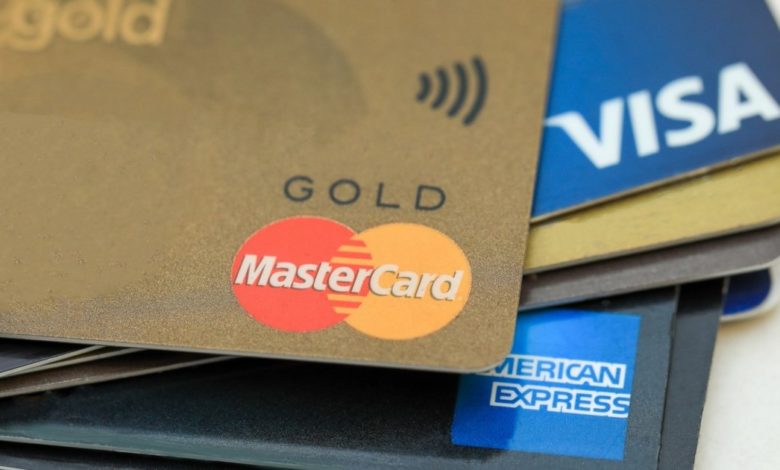
The president of the European Central Bank, Christine Lagade, appeals to a revolution of payments to destroy Europe on American and Chinese platforms such as Visa, Mastercard, PayPal and Alipay.
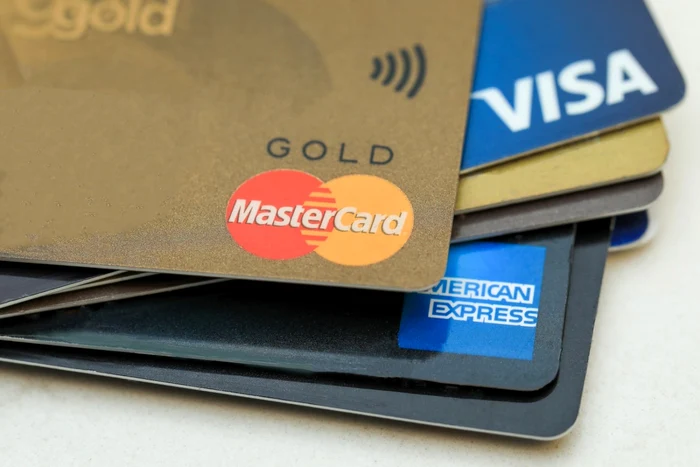
The ECB wants Europe to give up Visa, Mastercard and Alipay. Photo shutterstock
Describing him right “A march to independence”Lagarde said that Europe has to build its own alternative to ensure its financial sovereignty. A fully unified capital market, she added, could open the way for a deeper fiscal integration-with a potential added value of up to 3 trillion euros annually.
Speaking at The Kenny Show, Lagarde emphasized Europe's dependence on foreign digital payments. “Visa, Mastercard, Paypal and Alipay are all controlled by American or Chinese companies“She said, arguing:”We should make sure there is a European offer. ”
Her comments come against the background of concentration renewed on the Union of Capital Markets (CMU) – a long -term EU initiative aimed at creating a unique capital market in the Member States, writes Business Today. The purpose is to improve the flow of investment and economies in the block, giving companies better access to financing and citizens more efficient saving vehicles.
Lagarde has linked CMU's progress to wider economic integration, declaring that it could reduce pressure on monetary policy and lay the foundations for a future tax union. While the claim of 3 trillion euros in annual added value comes from a large-scale Reddit post, several official estimates suggest a slightly more conservative impact. According to the Research Service of the European Parliament (EPRS), a deeper integration could generate over 2.8 trillion euros in additional GDP by 2032, at least 321 billion euros being attributed to the completion of the Economic and Monetary Union.
However, building a European alternative to Visa and Mastercard is facing steep challenges. Among them:
- Smaller interbank commissions in Europe make profitability harder to reach.
- Massive initial investments are required to create an infrastructure to rival the global players.
- Obstacles of adoption include changing the behavior of consumers and traders and convincing banks to support a new system.
- Technical complexity, especially in terms of security, fraud protection and cross -border compatibility.
- Governance and coordination, because Member States and institutions should be aligned with execution and supervision.
Adopting the digital euro
Europe must urgently advance to a legislation that sets the regulatory framework of the future digital euro, in the idea of reducing “Increased addiction“Of foreign payments, a high responsible person from the European Central Bank said on Tuesday, AFP reports.
In a speech in the European Parliament, Piero Cipollone, a member of the ECB's executive board, said that “recent international evolutions” highlighted the risk of addiction to foreign payments, such as Visa and Mastercard.
“Europe does not allow itself to rely exclusively on foreign payment solutions. This makes us dependent on the goodwill of foreigners in the context of increased geopolitical tensions,” said Cipollone.
“The time has come to make a reality from the strategic autonomy of Europe in the field of payments. It is a common European project and I ask you to materialize it, because you are at the center of its achievement“, Cipollone has asked the MEPs.
Given that it is often impossible to pay in the store with a European payment service, only non-European systems, such as Paypal, Apple, etc. can be used, which represents “a structural weakness“Which we must correct, according to Cipollone, who is also the governor of the Bank of Italy. In addition, the measures adopted by the new American administration on promoting cryptocurrencies,”generates concerns about the financial stability and strategic autonomy of Europe“Cipollone warned.
“In order for a digital euro to be successful, we need a robust and future legislation oriented“Cipollone appreciated.
The decision to create a digital euro will depend on the prior adoption of a European legislative framework. After an experimental phase, launched in 2023, the ECB intends to launch the project in autumn, for a possible introduction between 2027 and 2028.