2026-04-17 16:50, updated 2026-04-17 19:54
publication
2026-04-17 16:50
update
2026-04-17 19:54
The mass demonstrations at the end of 2025 in Bulgaria, called Generation Z protests due to the age of a significant part of the participants, led to the fall of Rosen Zelazkov's government and the calling of elections. However, before the vote on Sunday, young Sofians do not see much chance of changing the situation in the country.
The early parliamentary elections in Bulgaria – the eighth vote in the last five years – were led to the resignation of the Zelazkov government, which bowed to the pressure of mass social protests at the end of 2025.
Zelazkov's cabinet was appointed after the October 2024 elections – the second ones that year.
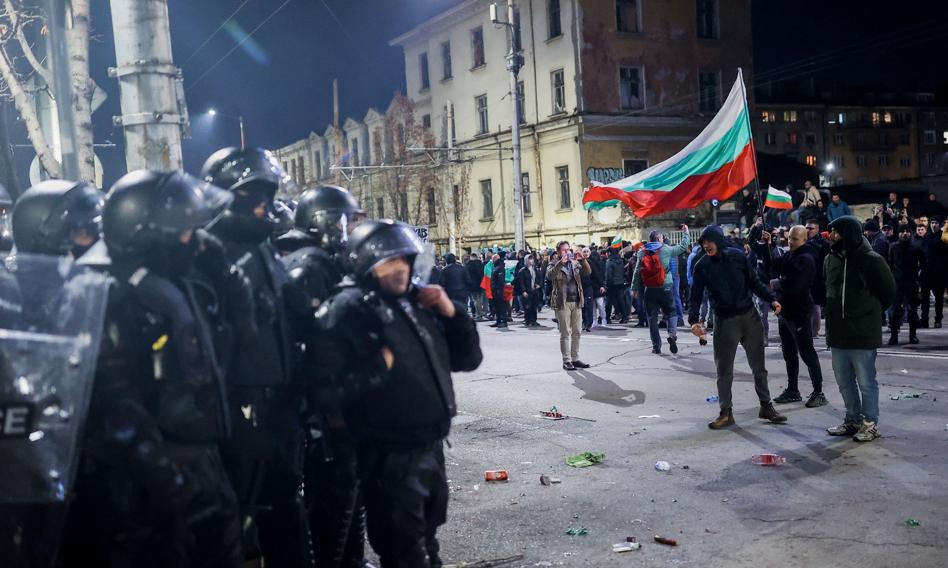
At the turn of November and December 2025, hundreds of thousands of demonstrators across the country demanded the government's resignation. The direct cause of the outbreak of social dissatisfaction was the draft budget act for 2026, which provides, among others, increase by 2%. insurance premiums and substantial New Year's bonuses for officials and members of the security services. The protesters also opposed systemic corruption and the politicization of public institutions.
Critics assessed that the higher taxes for the private sector included in the draft budget would finance increases in the public sector, which in turn would give the government greater control over public administration, the army and the police.
INDemonstrations of thousands in Bulgaria's largest cities quickly turned into a movement demanding accountability, transparency and leadership from the authorities. An opinion survey conducted at the turn of November and December by the Myara agency showed that support for the protests at that time was over 71%.
The driving force of the protests – as highlighted by the domestic and foreign media – was the youth of Generation Z. Bulgarians born in the late 1990s or early 21st century organized themselves on TikTok and Instagram, and spread their demands, among others. using memes. They came to the demonstrations with banners proclaiming, among others: “Generation Z will get you” or “Give us a reason to stay”, referring to the problem of emigration from the country.
Mimi Shishkova, a popular influencer in the country and one of the faces of the protests, said that “the essence of Generation Z's demands is to end corruption.” The Balkan Free Media Initiative noticed that during the protests, their popularity on TikTok was 70 times higher than the popularity of previous demonstrations.
In the last days before the elections, young residents of the Bulgarian capital admitted that they did not have much hope for Sunday's elections. – We have fallen into a multi-year election cycle and I don't think we will be able to get out of it this time – said 25-year-old Hristo in an interview with PAP. He stressed that he would vote regardless.
– We went to protests, but I don't think new elections will bring any lasting solution. In Bulgaria, it is easier to overthrow the government than to establish a stable government, said Veselina, a 30-year-old resident of Sofia.
– I will vote for Radev (former Bulgarian president Rumen Radev, who resigned from office to run in the elections with the new Progressive Bulgaria – PAP coalition). Not because I am his supporter, but because only he has a chance to create and maintain a majority. I don't see any other solution to our situation, added her friend Elena.
Both admitted that although the crisis that has been going on for several years is tiring, they do not think that democracy in Bulgaria is in danger.
Young residents of Sofia told PAP that the most important issues for them are the problem of corruption, more efficient functioning of the state, e.g. hospitals, and better employment prospects.
Polls indicate a decisive victory for Radev's coalition in Sunday's elections
The last polls published on Friday before Sunday's parliamentary elections in Bulgaria indicate a decisive victory of the Progressive Bulgaria coalition of recent president Rumen Radev with a result of 32-34 percent. votes. Polls give 19 percent to former Prime Minister Boyko Borissov's GERB party. support.
Research by Alpha Research, Miara and Trend agencies yielded very similar results. The differences mainly concerned the last places and predictions whether five or six parties would enter the new parliament. It cannot be ruled out that even seven parties will exceed the four percent electoral threshold, although this is unlikely.
Alpha research and Miara predict 34.2%. votes for Radew's coalition, and Trend – 32.2 percent. According to polls, Radev, who resigned from the presidency to join the electoral race under the slogan of fighting the oligarchy and mafia, will not win an absolute majority of 121 seats. In second place is Borissov's center-right GERB party with support of 19.1–19.2 percent. Third place may be taken by the centrist formation We Continue Change – Democratic Bulgaria with a result of 11 percent.
The fight for the fourth place will take place between the DPS-New Beginning party of the oligarch Delian Peevsky, operating in regions with a large Turkish minority such as Kardzhali, and the nationalist-Russophilic Vyzrazhdane (Revival) group, which polls give 7-9 percent. The post-communist Bulgarian Socialist Party is balancing on the electoral threshold. If she does not enter parliament, it will be her biggest defeat since the political changes in 1989.
In total, in the elections, the eighth in the last five years, candidates from 14 parties and 10 coalitions will run for seats in the 240-seat, unicameral National Assembly.
Sociological agencies do not expect a high turnout, they expect it to be approximately 50-55 percent, which is more than in the previous elections, when approximately 40 percent voted. entitled. Observers are very concerned about vote buying, which, despite the intensive efforts of the Ministry of Internal Affairs, cannot be stopped. Vote trading is not a new phenomenon in Bulgaria, but – according to the Ministry of Interior – the scale of the practice is currently five times greater compared to the previous elections in 2024.
Ewgenia Manołowa (PAP)
man/kar/
From Sofia Jakub Bawołek (PAP)
jbw/ akl/