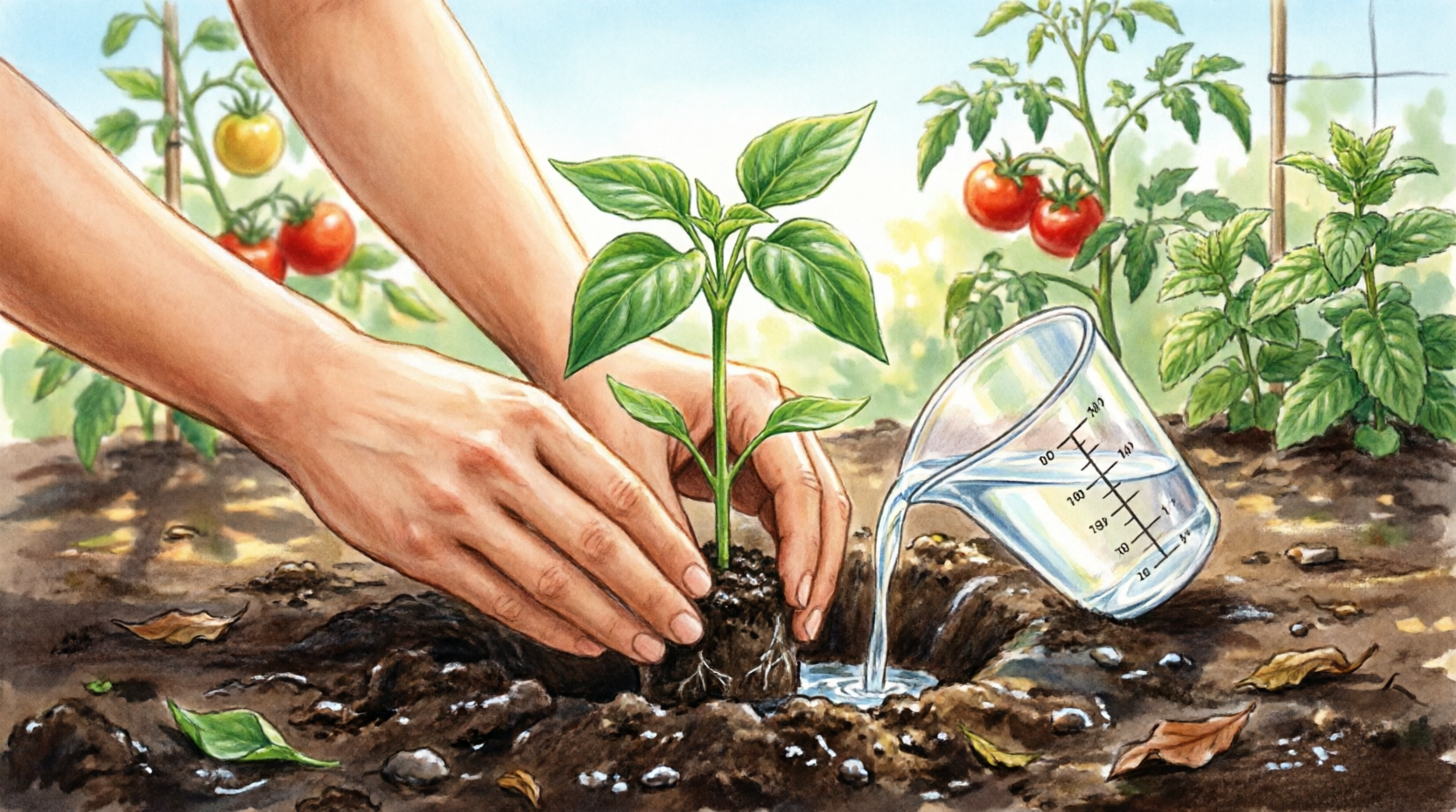
Many summer residents are looking forward to the moment when mature pepper seedlings can be transplanted into open ground. It seems that active growth is about to begin and the first ovaries will appear.
However, instead the pepper seems to freeze in place. This situation is familiar to almost everyone who grows this crop.
It is quite simple to correct the situation if you put pepper food in the planting hole. As a result, the plant will quickly take root in a new place and actively grow.
A mistake many gardeners make
The most useless combination for a hole is wood ash along with superphosphate. People like to use these two components together because they believe they will give a powerful start.
In fact, the ash creates an alkaline environment in the soil, and under such conditions, superphosphate turns into a compound that the pepper roots simply cannot absorb. As a result, the fertilizer does not work, the plant does not receive phosphorus and slows down its development.
What to put in the hole when planting peppers
Immediately after transplantation, the pepper restores the damaged root system. During this period, he needs comfortable conditions. First of all, flood the hole with Fitosporin-M solution. This will protect the roots from rot and create healthy microflora.
The second important condition is warmth. Peppers will not begin to grow if the soil is colder than 15 degrees. Therefore, do not rush to plant at the beginning of May, reports “Ideal Garden” (18+).
Step-by-step algorithm for correct landing
In order for the pepper to quickly begin to grow and not get sick, it is enough to follow just five simple steps:
- Fill the hole with Fitosporin. Dilute 1 tablespoon per 10 liters of water and pour 0.5 liters of solution into the hole a day before planting.
- Mix the ash with the soil. Take 3 tablespoons of ash and mix directly into the soil in the hole.
- Add a handful of humus or vermicompost. Vermicompost works better in cold weather and does not produce excess nitrogen.
- Plant the peppers and mulch. Cover the hole with a 3 cm layer of mulch to retain moisture and warmth.
- Do not feed for 10 days. Let the roots recover calmly; any fertilizer now will only do harm.