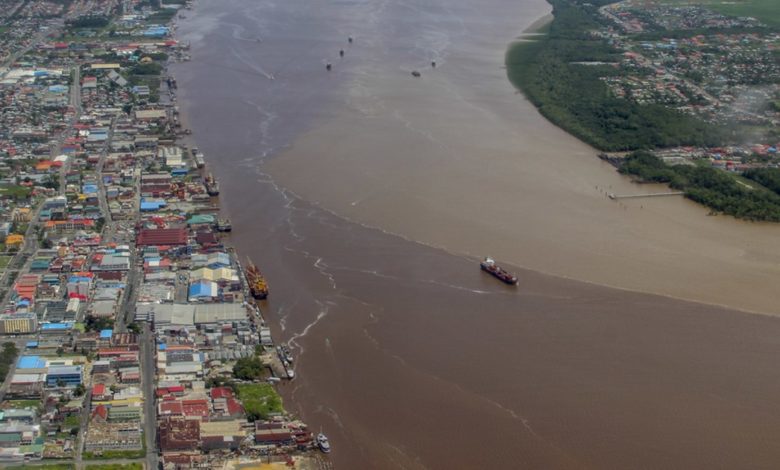
According to a new research, out of 186 countries, only Guyana produces enough foods to self-sufficiently nourish all citizens without foreign imports.
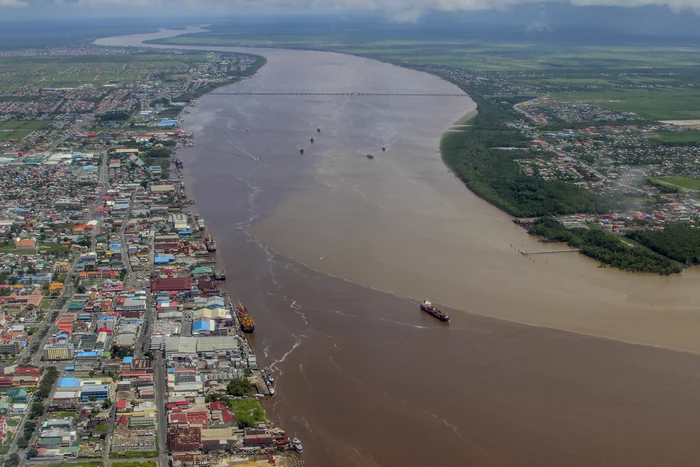
Guyana Photo: Shutterstock
The study, published in Nature Food, analyzed the extent to which each country can feed their population from seven food groups: fruits, vegetables, dairy products, fish, meat, plant proteins and basic starch.
Worldwide, the study found that 65% of countries produced excess meat and dairy products, compared to the food needs of their population, according to Sciencefocus.
It was also found that Guyana, located in South America, was the only country that could boast of total self -sufficiency, while China and Vietnam were at a short distance, being able to produce enough foods in six of the seven food groups.
Only one in seven tested countries has been considered self -sufficient in five or more categories.
At the same time, there was a global deficiency of nutrients rich in nutrients, less than half of the countries involved in the study producing sufficient vegetable proteins – such as beans, smells, nuts and seeds – or starchy carbohydrates and only 24% cultivate sufficient vegetables.
Europe and South America were generally closer to self -sufficiency than other countries. But small island states, countries in the Arabian peninsula and low -income countries were more likely to rely on foreign imports for food.
And six countries – Afghanistan, the United Arab Emirates, Iraq, Macao, Qatar and Yemen – have not produced enough from any food to be considered self -sufficient in the respective category.
“The low self-sufficiency is not inherently bad”, said Dr. Jonas Stehl – a researcher in Göttingen and the first author of the study – for BBC Science Focus. “There are valid and often beneficial reasons why a country cannot produce most of the foods it needs. ”
For example, a country may not have enough rain, good quality soil or stable temperatures to grow enough foods for its population.
Stehl said it could also be profitable to import food from regions to produce them.
“However, low levels of self -sufficiency can reduce the ability of a country to respond to the sudden shocks of food supply worldwide, such as drought, wars or export prohibitions,” he said.
The debates on the advantages of self-sufficiency have increased as a result of the Covid-19 Pandemic or the trigger of the Russia-Ukraine War-when the instability disturbed the reliable supply of foods.
Stehl added that “the recrudescence of interest ” For national food self -sufficiency could also reflect wider political changes, “Including the growing nationalism and the desire of some to reduce the dependence on foreign countries.”
Stehl said: “The construction of some resilient food supply chains is imperative to ensure public health ”.