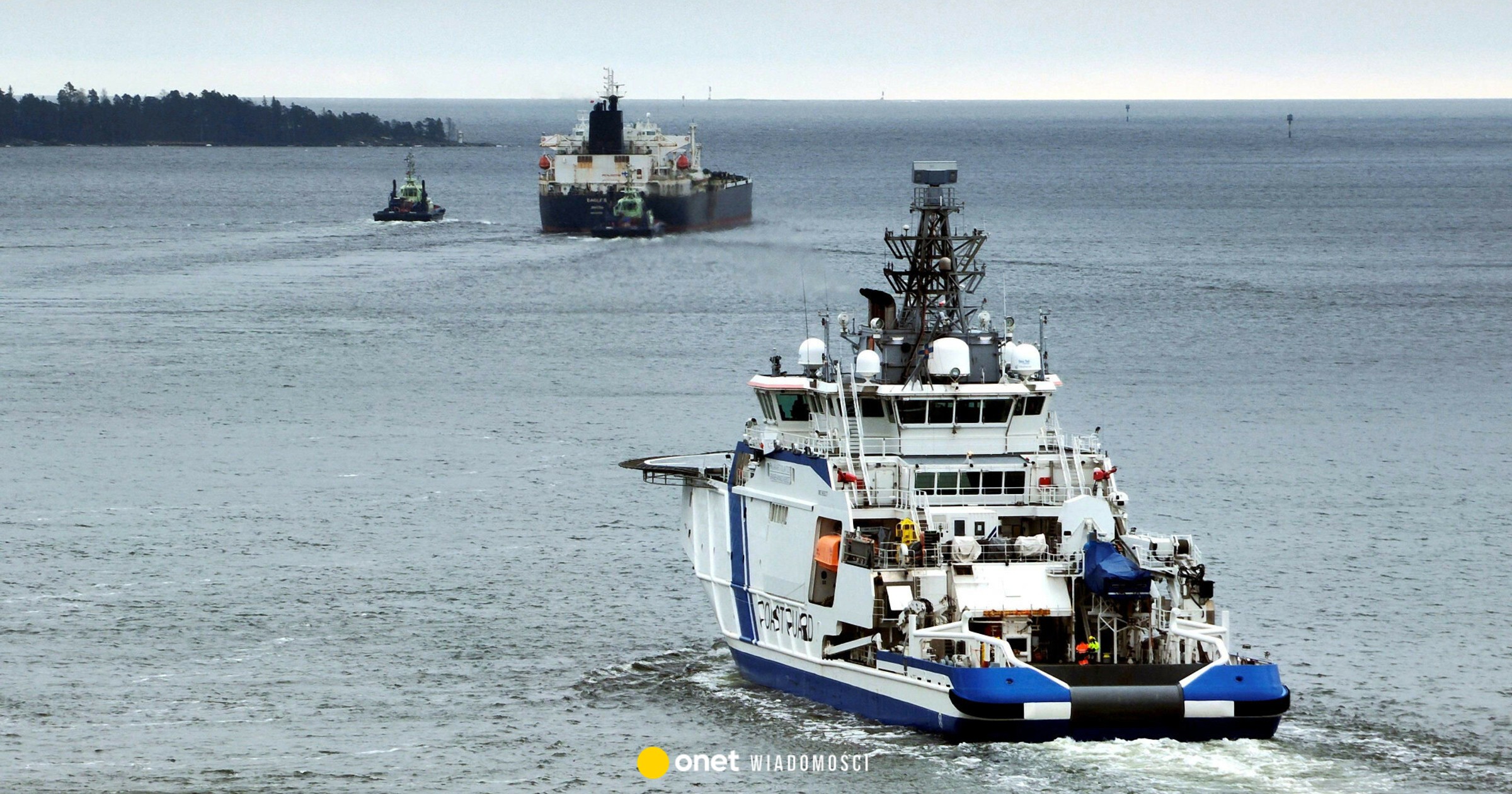
Dozens of tankers belonging to Russia's “shadow fleet” are waiting in the Gulf of Finland for the resumption of operations of oil terminals that were damaged by Ukrainian airstrikes. Experts say this increases the risk of sabotage or environmental damage on one of the world's busiest shipping lanes.
The 30 to 40 “shadow fleet” tankers are clustered around unofficial anchorages in Russian waters, as well as in a 6-nautical-mile-wide, or about 11 km, strip of international waters between Finland and Estonia.
— These are these ships linked to the Russian state. And now that the Russian state has confirmed this connection, they could be used for hostile purposes while they wait, Elisabeth Braw, a senior researcher at the Atlantic Council, explains to The Moscow Times.
Ships cannot divert to nearby ports due to the risk of being detained.
In January 2025, NATO launched Operation Baltic Sentry to monitor suspicious shipping activity in the region after a series of events in which “shadow fleet” ships allegedly damaged undersea cables in the Gulf of Finland.
Russia's “shadow fleet” counts over 3,000 shipsand hundreds of them were subject to EU and US sanctions. They are a key source of income for the Kremlin's war coffers during the ongoing invasion of Ukraine.
An opportunity and a blow for Russia
Ships often fly under flags of convenience, meaning they are registered in countries with lax supervision and use false registration details to avoid identification. Some crew members are linked to Russian security services and private military companies.
The effective closing of the Strait of Hormuz during the US-Israeli war with Iran resulted in a 115% increase in revenues from Russian seaborne oil exports in March. on a monthly basis. Nearly half of these exports were transported by “shadow fleet” ships.
Prices of Urals crude, usually sold at a discount to Brent crude, rose to a 13-year high of $116 in early April. (at the current exchange rate of PLN 417) per barrel, when global customers were frantically looking for alternative suppliers. The Financial Times estimated that high oil prices generated as much as $150 million. (PLN 540 million) daily additional revenues for the Russian budget.
The Gulf of Finland is crucial to this economic lifeline, as 42% of exports pass through the ports in Ust-Ługa and Primorsk.
However, Ukrainian drone attacks in recent weeks have caused such severe destruction that for several days no ships could dock in any of these portswhich limited Russian profits from the war with Iran. Data from open sources suggest that only two tankers are scheduled to dock in Primorsko in the period from April 16 to May 18.
The article continues below the video
Old tankers
Military officials and environmental experts warn that the concentration of ships is increasing risk of ecological disaster in the region.
Tankers are usually withdrawn from service after 20-25 years. However, in 2022-2025, Russia spent $10 billion. (PLN 36 billion) to buy hundreds of aging, second-hand ships to keep oil revenues flowing as Ukraine's allies imposed sanctions on Moscow-linked exports.
Outdated vessels, operated by inexperienced crews, are more susceptible to structural failures, including oil spills.
-Those old tankers they do not have sufficient insurancewhich means that they are unable to cover any costs related to cleaning up a possible oil spill, warns Ksenia Vakhrusheva, an analyst from the ecological non-governmental organization Bellona.
Because the stranded tankers are currently empty and waiting to receive cargo from Russian ports, environmental risks are less immediate than if they were full. However, Vakhrusheva warns that there is still a risk of fuel leaking from the ships' own tanks.
Both Finland and Estonia detained ships suspected of belonging to the “shadow fleet”, accused of sabotage or failure to comply with maritime standards.
Russia has increased its military presence to escort these ships as other European countries – including the UK, Sweden and Belgium – announced similar actions.
Estonian naval commander Ivo Vark said last week that the growing Russian naval presence had increased the risk of escalation to the point that Estonia would only consider intervening if infrastructure had already been damaged or there was an immediate risk of an oil spill.
“The problem is that every ship has the right to move freely,” Braw warns. — Ships have the right to wait for Russian ports in the Baltic Sea to be repaired. Since these are ships from the “shadow fleet”, they are not very welcome guests. However, they have the right to be there.
I’m Ashley Davis as an editor, I’m committed to upholding the highest standards of integrity and accuracy in every piece we publish. My work is driven by curiosity, a passion for truth, and a belief that journalism plays a crucial role in shaping public discourse. I strive to tell stories that not only inform but also inspire action and conversation.