At the beginning of the war with Iran, almost six weeks ago, Prime Minister Binyamin Netanyahu said Israel was the target “removing the existential threat” from Iranincluding by preventing that country from acquiring nuclear weapons and creating conditions in which the Iranian people could rebel against their government.
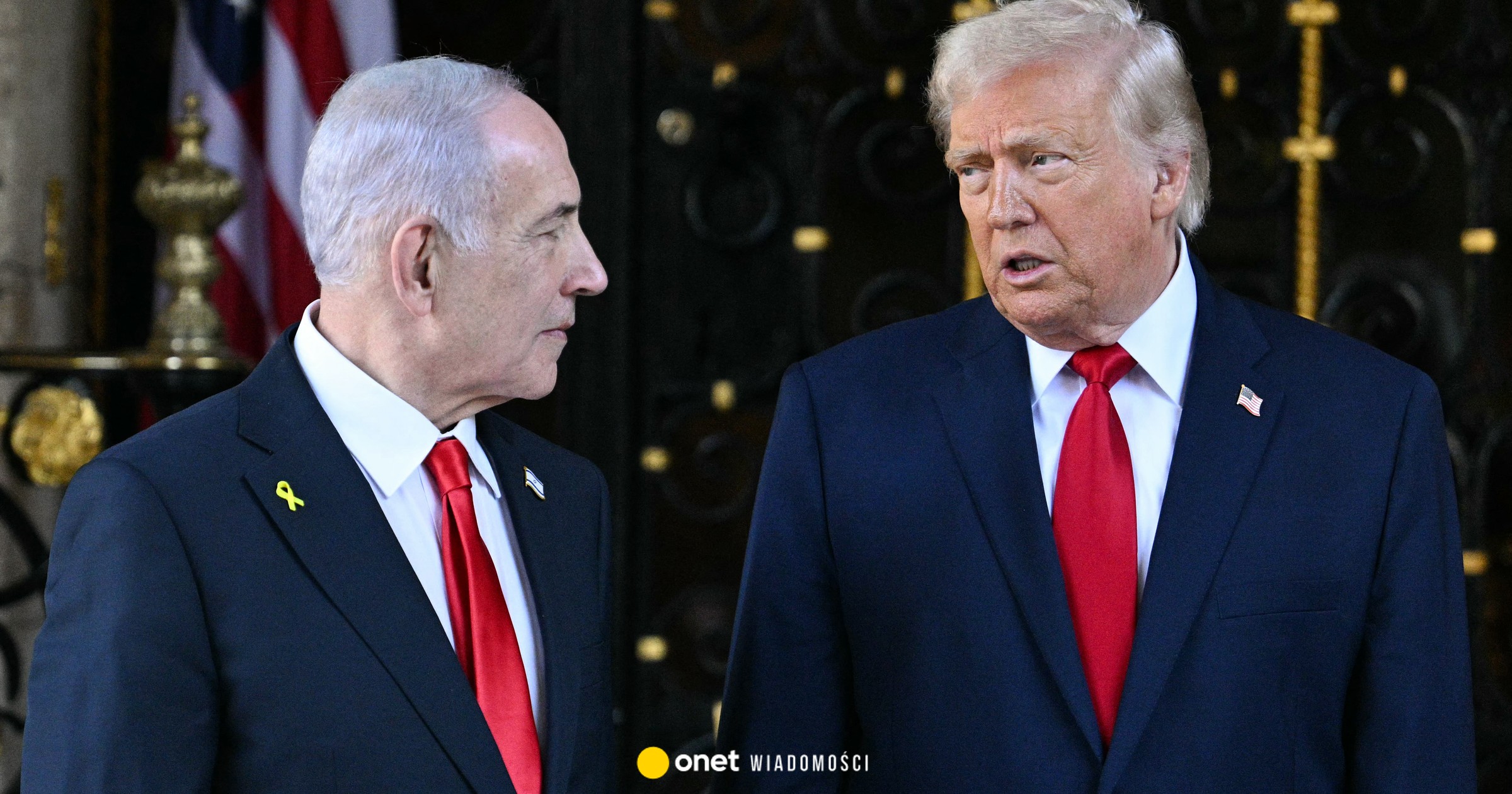
Although Israel has failed to achieve this, Netanyahu is prioritizing cooperation with President Donald Trump, even if it comes at a cost.
“Since Trump's election, we have been coordinating with the Americans whenever we can,” says Yaakov Amidror, Netanyahu's former national security adviser who still works with him. — For example, now, to stop attacking Iran, that was the price. But for us, being on the side of the Americans and bearing the costs in the process was more important than acting on our own.
This means that Israel is currently trying to find a way to weaken Tehran without irritating the already angry American administration.
The anger stems from continued attacks on Lebanon.
The main goal is for Washington to reach a deal with Iran that resolves long-standing concerns about its nuclear and missile programs without bringing sanctions relief that Israeli officials fear would entrench a hard-line leadership in Tehran, according to six current and former Israeli security officials.
Netanyahu also agreed to limit Israeli operations in Lebanon at Trump's request. This comes after Israel struck 100 targets in less than 10 minutes in Beirut, the Bekaa Valley and southern Lebanon on Wednesday, killing more than 300 people in one of the deadliest single airstrikes in the country's history.
— I talked to Bibi and he intends to soften his actions a bit. I just think so we need to be a bit more restrained Trump said.
Conditions for disarming Hezbollah
Netanyahu has not publicly confirmed such a commitment, but has instructed his team to begin negotiations with Lebanon to disarm Hezbollah as soon as possible. Initial consultations between representatives of the United States, Lebanon and Israel are scheduled to begin in Washington next week.
Part of Israel's approach is to continue attacks on Lebanon at some level during the talks.
Israel continues to reject the ceasefire with Lebanon. He continued operations there on Friday, with both sides exchanging fire. Israel Defense Forces also continued ground operations in southern Lebanon, including locating and destroying weapons, the military said.
In private conversations, Israeli officials describe their goals more narrowly: deepening the buffer zone in the north and shaping the battlefield so that any future negotiations begin with a more favorable balance of power.
“We are trying to create conditions for the disarmament of Hezbollah,” says an Israeli military official who asked not to be named. He adds that if Israel's military actions further weaken the group's ability to fire missiles from southern Lebanon, “then the idea of an agreement that works in the future may become more realistic.”
The article continues below the video
While Iran, Pakistan and others say Lebanon will be part of ongoing ceasefire negotiations, Netanyahu insists these are separate issues. He believes that Israel will begin separate talks with Lebanon on disarming Hezbollah and restoring peaceful relations with that country.
Even if Netanyahu scales back some military options to stay in line with Washington, the war could still have a lasting strategic benefit: serious economic damage to Iran, according to an Israeli military officer and two former officials.
“Iranians always win”
A key outcome of the war will also be whether Israel and the United States can convince allies and the broader international community that the damage is both serious and long-lasting.
Direct reconstruction costs for Iran will range from $7 billion to $44 billion, according to a regional intelligence assessment obtained by POLITICO. (from PLN 25 to 159 billion), with the greatest economic losses caused by its missile program.
Considering that Iran's annual military budget is approximately $7.9 billion. (PLN 28 billion), even the lowest reconstruction estimates would consume almost an entire year of defense spending. The highest amount, reaching approximately USD 44.4 billion. (PLN 161 billion), would be responsible for over five and a half years of military expenditure.
These losses also raise the stakes in the next phase: potential nuclear diplomacy between Washington and Tehranwhich Israeli officials fear could ease pressure on Iran before the full costs of the war emerge. Israel wants to make sure it will be able to influence negotiations even if it does not have a seat at the table in Islamabad.
Jacob Nagel, who led an Israeli team of experts working with the Obama administration during the 2015 nuclear deal negotiations, says “Iranians always win” during negotiations with Western countries, because their negotiators have extensive experience and in-depth knowledge of the topic.
The U.S. negotiators — Vice President JD Vance and envoys Steve Witkoff and Jared Kushner — are well-liked in Israel as close confidants of Trump, but are also seen as inexperienced.
“Vance, Witkoff and Kushner are really great people, but they have no experience in this area,” Nagel says. The three Americans will represent the United States during talks with Iran in Islamabad.
Smoke after the Israeli attack on Lebanon, April 11, 2026.AFP/AFP
American support
Nagel adds that he fears a scenario in which the United States focuses too much on persuading Iran abandoning the remaining stocks of highly enriched uraniumhowever, leaving the infrastructure and other elements of the program intact, which will not fully eliminate the nuclear threat.
— The Iranians can hand it over and everyone will say, “Wow, we won the war because the highly enriched uranium is gone.” This is not enough, he says.
For Israel, this is a key question hanging over both the war and the diplomacy that may follow: whether this moment will produce a fundamentally different outcome, or merely reset the clock for the next round.
Israel and the United States, officials say, are betting that this time will be different — that military pressure combined with diplomacy can do more than just temporarily blunt the threat. If this does not happen, Israel may face a lasting threat at rising military and economic costs.
— Israel will not be able to mow the lawn with Iran as we do elsewhere because it is too costly and we are dealing with diminishing returns, says a former senior Israeli official. “We can't end it all, given the risks and costs, with only partial successes.
While Israel has proven it can act on its own, such as at the beginning of the 12-day war in June when it launched a campaign without U.S. involvement, the past six weeks have also shown why cooperation with the U.S. is much more effective, says another former senior Israeli official.
— Everything is better with the United States. They have bases in the region, a fleet of heavy bombers, air tankers, air refueling capabilities and intelligence, the source added.
“If the Americans refuel us throughout the Middle East, we can carry twice as much cargo on each sortie, and the Americans themselves take action,” Amidror says.
Whether Israel considers abandoning its renewed commitment to act with Washington will depend on how the coming weeks unfold. — Much depends on what will happen during the talks and how the Americans will react, Amidror sums up.
I’m Ashley Davis as an editor, I’m committed to upholding the highest standards of integrity and accuracy in every piece we publish. My work is driven by curiosity, a passion for truth, and a belief that journalism plays a crucial role in shaping public discourse. I strive to tell stories that not only inform but also inspire action and conversation.