Chronicle of the failure of “undisputed” supremacy. Trump administration claims dismantled after underestimating Iran's military capabilities

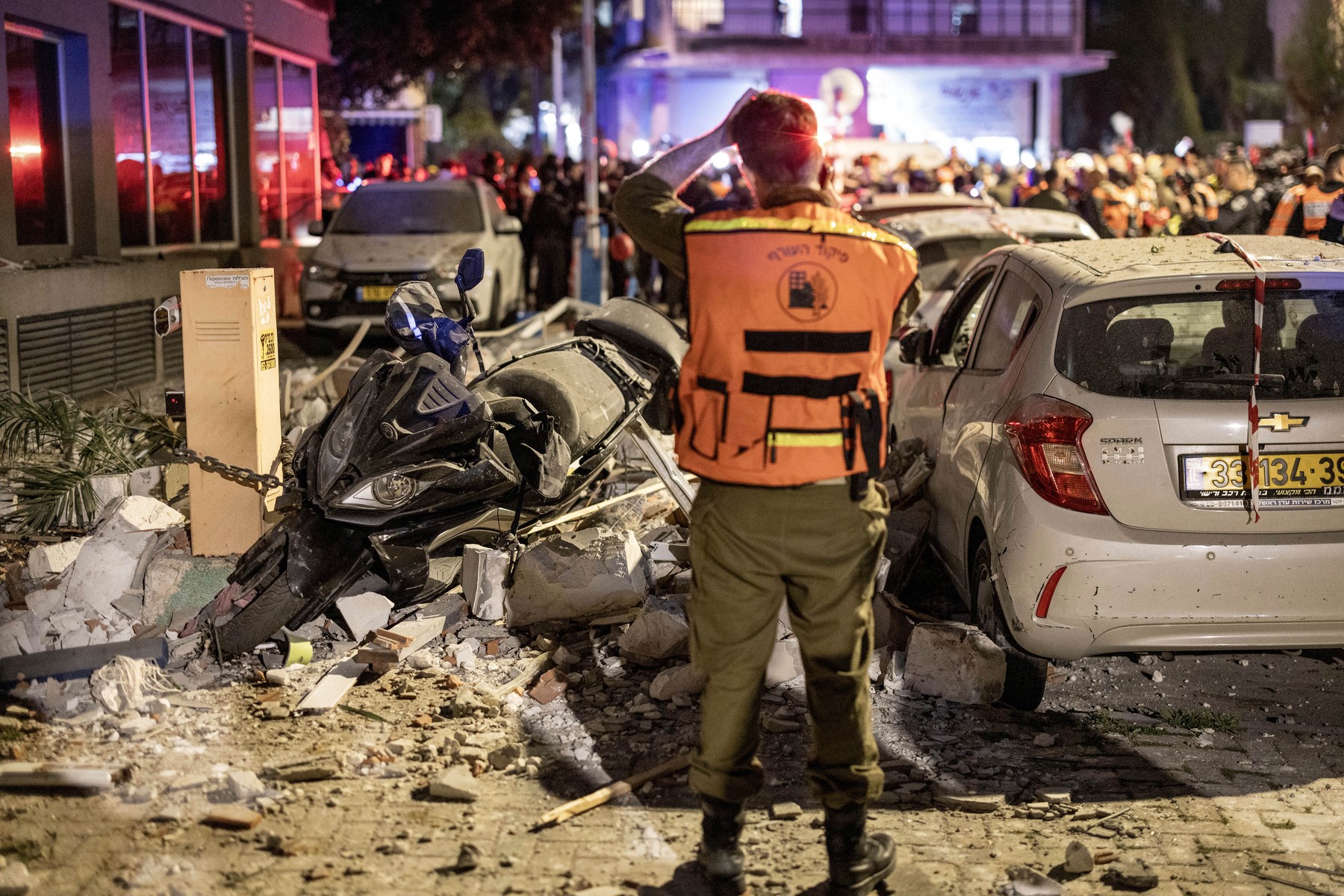
Two American planes were shot down on Friday, which represents a setback for the military operations of the American army in Iran, writes Sky News. The incidents marked a first, being the first time since the beginning of the war that not one, but two aircraft were destroyed by enemy fire in a single day.
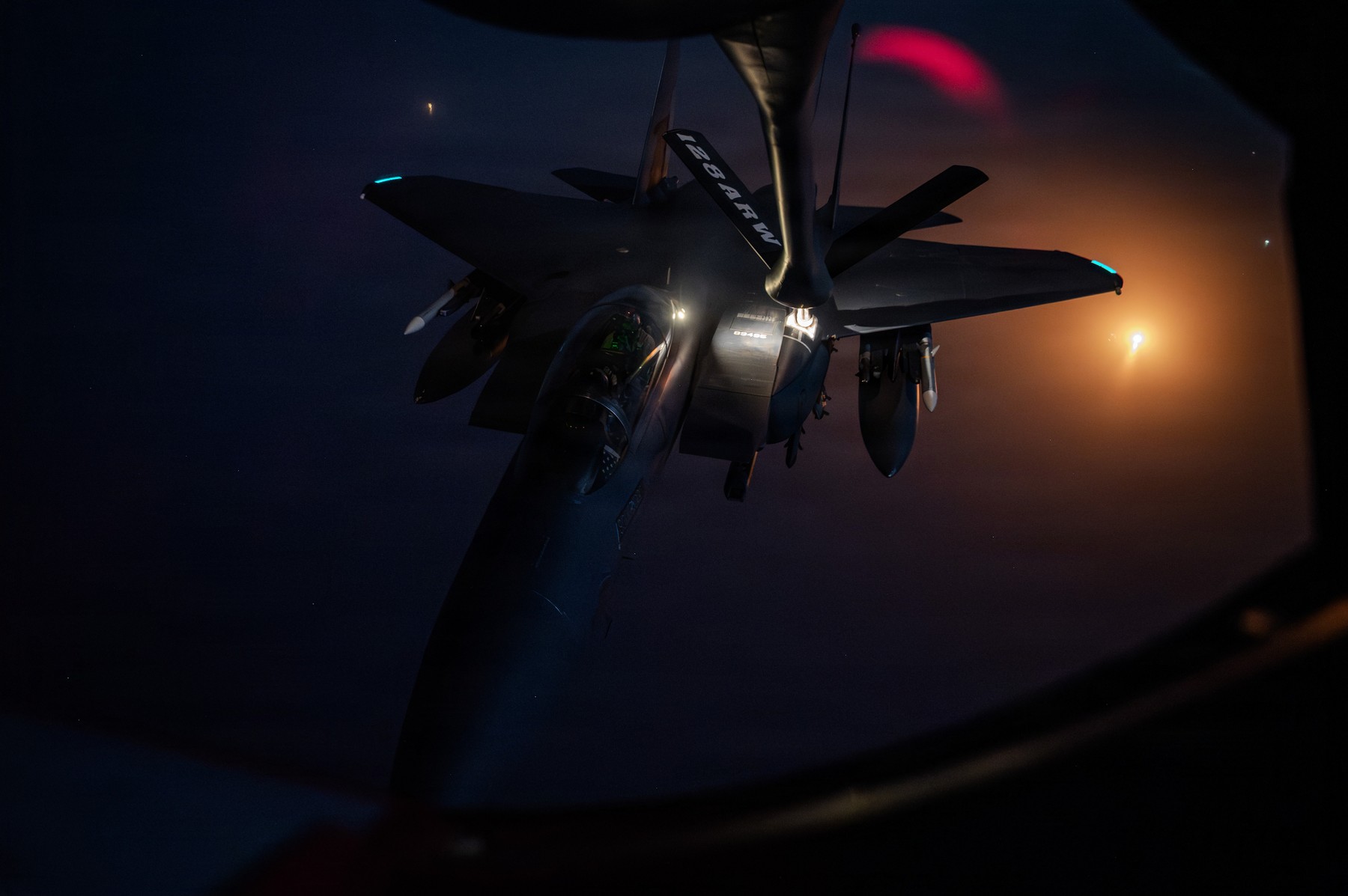
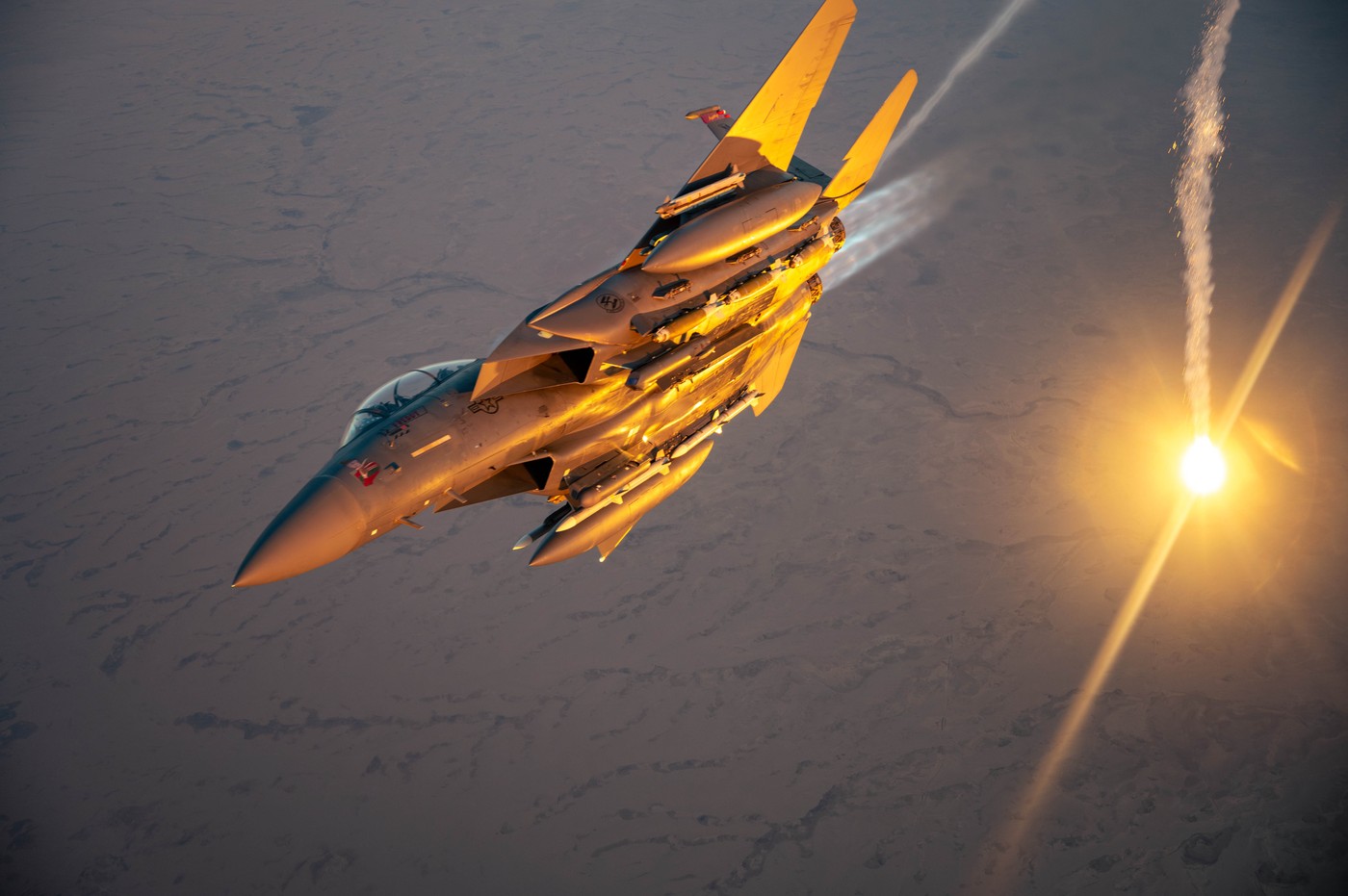
Iranian forces were searching Saturday for a missing American F-15E crew member, one of two fighter jets shot down in the Middle East conflict, officials from both camps said. Two airmen were rescued, Reuters notes.
The incidents highlight the risks US and Israeli aircraft still face over Iran as the war enters its sixth week, despite claims by President Donald Trump and his Defense Secretary Pete Hegseth that US forces were in full control of the airspace.
More than 24 hours after news of the crash of the first aircraft emerged, no official statement has been issued from the Pentagon or the Trump administration.
The prospect of a US serviceman alive and on the run in Iran raises the stakes for Washington in a conflict that enjoys little public support among Americans and shows no signs of an end.
Iranian fire downed a two-seat US F-15E fighter jet, officials from both countries said, while two US officials said the pilot ejected from an A-10 Warthog fighter jet that crashed in Kuwait after being hit.
Two Black Hawk helicopters shot down by the Iranians
Two Black Hawk helicopters engaged in the search for the missing pilot were hit by Iranian strikes but managed to exit Iranian airspace, the two US officials told Reuters. The severity of the crew's injuries was unclear.
Iran's Revolutionary Guards said they were conducting search operations in an area in the southwest near where the pilot's plane crashed, while the regional governor promised a reward for anyone who captures or kills “hostile enemy forces.”
The Iranians, battered by American air power since the US and Israel began their strikes on February 28, celebrated the downing of the planes. Parliament Speaker Mohammad Baqer Qalibaf said on X that the war had been “downgraded from regime change” to a hunt for pilots.
Trump was at the White House receiving updates on rescue efforts, a senior administration official told Reuters.
The new phase of the war
With the downing of the two planes, the war, quite unpopular among the Americans, entered a new, more problematic phase, CNN comments.
But none of these incidents mean that Iran is suddenly on equal footing militarily with the US. And so far, American losses have been limited, with no deaths reported in the past three weeks.
But in a conflict where military dominance is the main advantage of the US, this episode highlights the dangers of asymmetric warfare, the costs of which are not accepted by the American public.
And the downing of the fighter jets also demolished the impenetrability discourse that Trump has been trying to build over the past month. Both the US president and the head of the Pentagon have suggested that the US and Israel are free to fly over Iran, portraying Tehran as unable to counter it.
US and Israel 'will have complete control over Iranian airspace'
“Beginning last night, and to be completed in a few days, in less than a week, the two most powerful air forces in the world will have complete control of Iranian airspace,” Defense Secretary Pete Hegseth said at a news conference a month ago. He called it “uncontested airspace”.
“And Iran will not be able to do anything about it,” he added. Trump has also emphasized that air dominance in the past two weeks.
“And we literally have planes flying over Tehran and other parts of their country. There's nothing they can do about it,” the US president said on March 24. He added that the United States could hit a power plant, and “there's nothing they can do about it.”
In fact, the leader of the White House has declared for weeks that Iran “has no navy”, “no army”, “no air force” and “no anti-aircraft systems”. Claims that Mark Stone, Sky News correspondent, says are not correct.
The Trump administration's assertions of its military supremacy in Iranian airspace have been unequivocal, using phrases such as “total control” and “uncontested airspace,” even suggesting that Tehran does not even have the weapons to fight back.
Iran's Arsenal, still strong
And this is just the latest example of Trump and those in his entourage apparently exaggerating military success, CNN notes.
After the attacks on Iran's nuclear facilities in June 2025, Trump repeatedly stated that the country's nuclear program had been “completely destroyed” and presented it as unrecoverable. But that's not what an initial US intelligence assessment suggested. And just nine months apart, the administration has again suddenly presented Tehran as an imminent nuclear threat.
CNN reported a day ago that Trump's claims of destroying Iran's missile launchers were also greatly exaggerated, and the Islamic Revolutionary Guard Corps still retains about half of its arsenal.
Friday's incidents mark the first time US aircraft have been shot down in the current Middle East conflict, which began on February 28.
They came two days after Trump said in an address to the nation that the US had “completely defeated and decimated Iran” and that they were “going to get the job done, and they're going to get it done very quickly.”
Trump: “We are at war”
The Pentagon and the White House have not made statements regarding these two incidents, but in a brief telephone interview with NBC News, Trump stated that these events will not affect negotiations with Iran.
“No, not at all. No, it's war. We're at war,” Trump said on American television.
Iran rejected the truce proposed by the US
Iran has rejected a 48-hour ceasefire proposal from the US, an unnamed Iranian source told Iran's Fars news agency on Friday, according to Reuters. The proposal was conveyed by the US to Iran on Wednesday through a third country
Iran has told mediators that it is not prepared to meet with US officials in Islamabad in the coming days and that Pakistan-led efforts to reach a ceasefire have reached an impasse, the Wall Street Journal reported on Friday.
The Wall Street Journal wrote on Friday that the current mediation efforts led by several countries, especially Pakistan, for a ceasefire between the US and Israel on one side and Iran on the other side are deadlocked.
Iran has officially told mediators that it does not want meetings with US officials in the Pakistani capital Islamabad in the coming days and that the demands made by the US are unacceptable to Tehran, the WSJ reports.
Iran, however, has denied any negotiations with Washington, saying that what the US presents as “negotiations” are merely exchanges of messages through intermediaries.