In the trial in Los Angeles, Mark Zuckerberg defends Instagram and accuses users of lying about their age

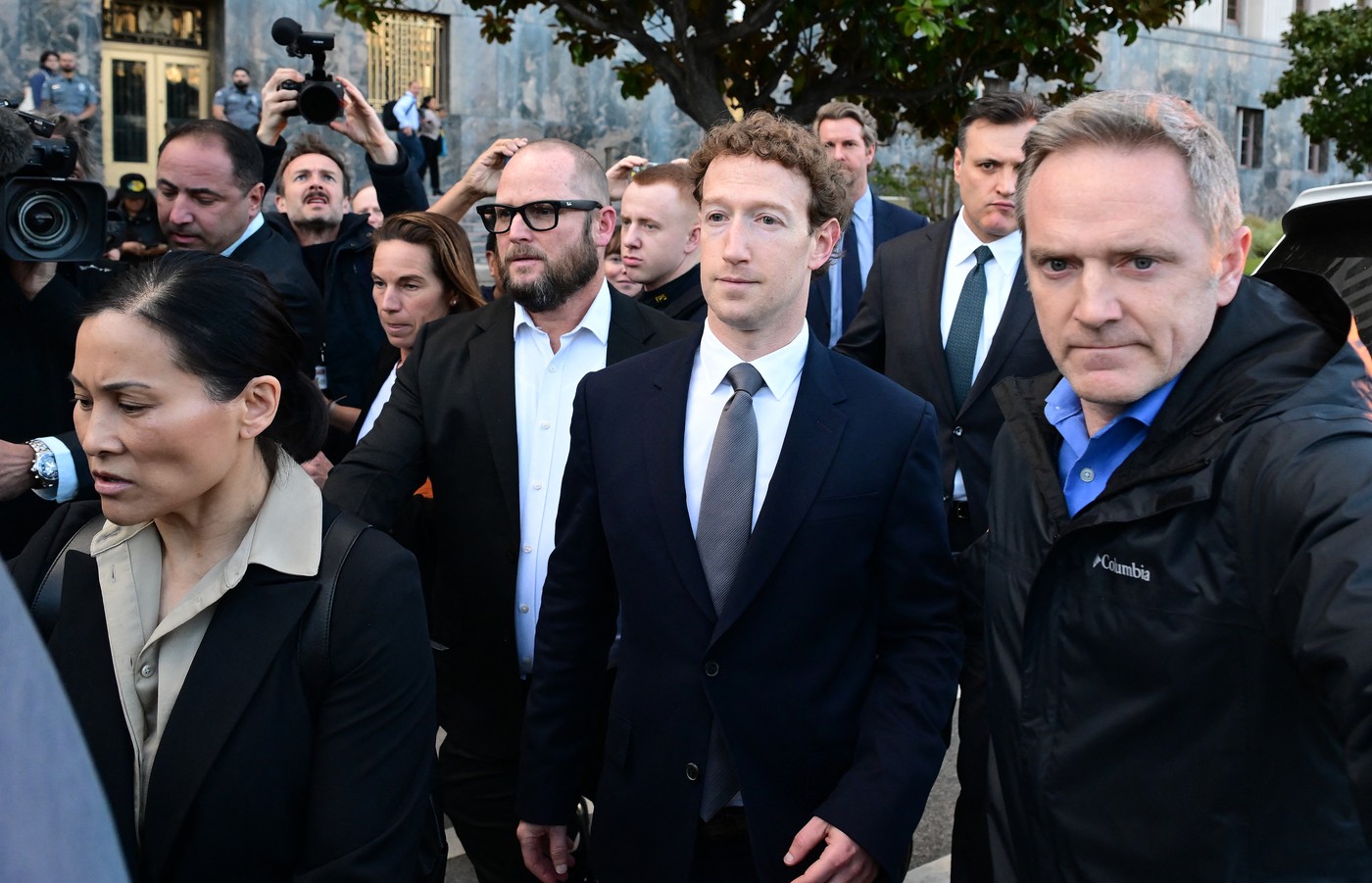
Meta Platforms CEO and Facebook founder Mark Zuckerberg defended Instagram's age-verification practices Thursday during his testimony in a historic social media addiction trial in a Los Angeles court.
He warned that some social media users lie about their age, EFE and Agerpres news agencies report.
Zuckerberg testified before a jury for the first time in a case against Meta, the parent company of Instagram, and Google, the parent company of Alphabet-owned YouTube, for allegedly designing products that deliberately create addictions, such as smoking, and cause harm to users.
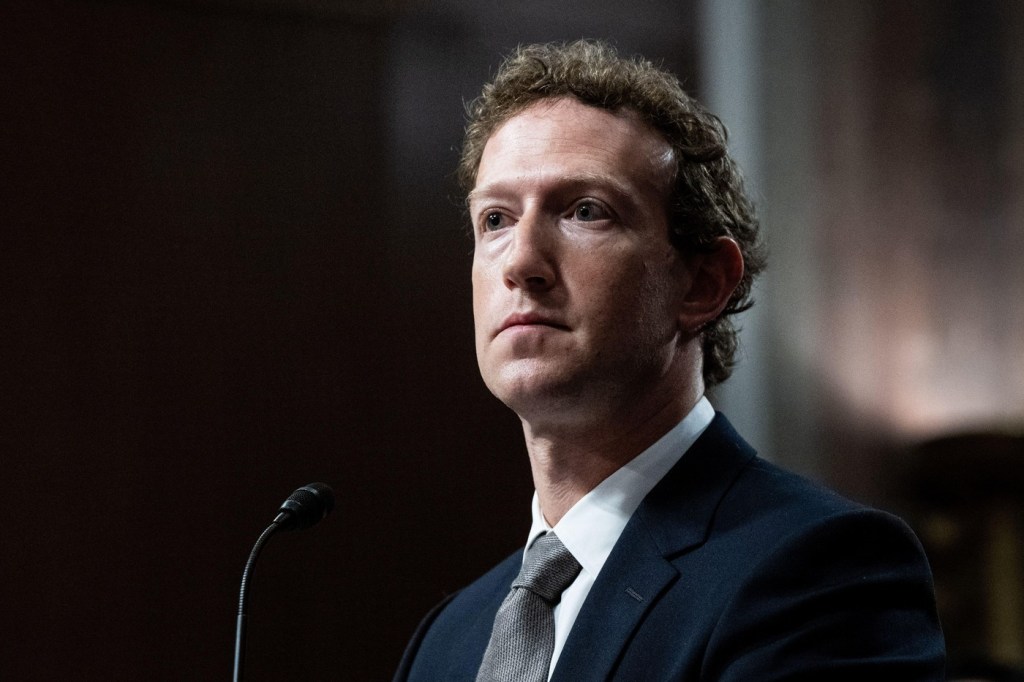 Mark Zuckerberg will be questioned in court in a trial about the effects of social media on children's mental health
The lawsuit was filed by a 20-year-old woman, identified as KGM, who claims her early use of social media — before the age of 10 — made her addicted to technology and worsened her depression and suicidal thoughts.
But Zuckerberg maintained that Instagram had never allowed users under 13 access and stressed that the company's “policy was clear.”
But he also attributed responsibility for the use of Instagram to certain users. “I think there is a group of people, potentially a significant number, who are lying about their age to use our services,” the 41-year-old billionaire said.
“We demand justice,” the parents say
The young plaintiff's lawyers cornered Zuckerberg by showing him a document suggesting that as of 2018, about 4 million Instagram users were under the age of 13, about 30 percent of all 10- to 12-year-olds in the United States at the time, according to information cited by the Los Angeles Times.
In the first session of his more than three-hour testimony, Zuckerberg was also questioned by the defense about allegedly receiving guidance on how to testify, which he denied.
Although Zuckerberg has testified before the US Congress and in other proceedings, this is the first time he has had to defend one of his popular social media platforms in front of a jury and in the presence of dozens of parents who accuse him, in part, of causing the death of their children.
“We expect him to take responsibility because he developed addictive products,” Lori Schott, whose daughter killed herself after years of battling what she described as an addiction to social media, told EFE news agency.
The woman, who is also leading a lawsuit against the platforms, believes the tech firms “knew their design tactics were damaging the mental health” of girls. “Today is a day to demand justice,” she added.
The Meta CEO's testimony was the most publicized in the trial that began on February 9 in Los Angeles Superior Court.
Technological advances permeated the small courtroom, packed with journalists and citizens, to such an extent that Judge Carolyn B. Kuhl warned that she would not allow smart glasses to be used during the trial.
“This court has ordered that no facial recognition of the jury be done. If it was done, it must be removed. This is very serious,” the federal judge said.
Zuckerberg arrived at 8:30 a.m. local time, dressed in a suit and accompanied by at least eight people, including two agents from the Department of Homeland Security (DHS) who escorted him into the courtroom.
The 15 places dedicated to citizens were drawn by lottery among dozens of people who wanted to listen to the testimony of the executive director.
The outcome of KGM's lawsuit could set a precedent for the settlement of about 1,500 similar lawsuits against social media companies in the US.
The trial is scheduled to last at least six weeks.
KGM also sued Snapchat and TikTok. However, both companies reached an out-of-court settlement before last month's trial.
Meta also faces a lawsuit in New Mexico, which is in its second week. The lawsuit, filed by the state, claims that the Zuckerberg-founded company's platforms provided a “market” for pedophiles and failed to filter content harmful to minors.
 A series of landmark lawsuits in the US are trying to answer a key question about social media