Bus station in Stara Lubovla, Thursday, July 17, 2025.
-Who the hell are you and what are you doing here? – a middle-aged Roman woman asks me in a sharp tone as I walk around the local Slovak bus station and take photos of timetables. I turn my head and see that she is really concerned. The rest of her group stands a few steps away. The Roma are waiting for the bus and look at me with distrust.
“A journalist,” I answer and show my ID. I explain in my basic Slovak that I came to report. He calms down. I ask if he wants to talk to me. He waves his hand saying probably not, but points to the teenagers sitting a few meters away.
– They'll probably be willing.
Almost at the same time as “citizen patrols” are setting up on Poland's western border, whose members are checking whether people with darker skin colors are entering our country, a Roma woman in Slovakia was scared by a white man taking photos at a bus station. A moment earlier, she had heard me speaking Polish on the phone, and perhaps she thought I was someone who had come to buy or close the station.
In Poland, we have been talking about the great problem of transport exclusion for years: thousands of villages and even towns are cut off from the world in some way. In Slovakia, no one has such a problem.
With a view of Poland. Neighbors, Stalin's thumb, Czech debt and the KGBOnet
After the fall of communism, this country maintained a very extensive network of bus connections. Nobody here cut them down on a grand scale, arguing that they were unprofitable. Buses were and are subsidized by the central government or local governments and they run very often. In Slovakia, the equivalent of our PKS buses were SADs, i.e. Slovenská Autobusová Doprava.
They are still doing well today. Tatrzańska Jaworzyna – a village with only 180 inhabitants in Łysa Polana, right on the border with Poland – has as many as 12 connections a day with Poprad, the largest local city. The first bus leaves Jaworzyna at 6.15, and the last one at 21.45.
The settlement of Sambron located in the mountains, which is eight kilometers from the station in Lubovla, has as many as six pairs of connections with this town. All of them are carried out in relatively comfortable, ordinary-sized buses, and not – as is often the case in Poland – old, rickety buses.
I did a little test. It's a pity that this isn't the case in Poland
— Communication in our country works really well, confirm Simona and Pavel, a pair of teenagers who were pointed out to me by a woman I had met earlier at the station in Stará Ľubovňa.
— I don't know what it's like in Poland, but here the bus is the basic means of transport for many people. Not all families have their own cars, and if they do have a car, it is usually dad or mom who drives it to work. I don't know many cases where one family has two or three cars, adds Simona. — People use buses that run quite punctually and frequently, and tickets are cheap. They usually cost several dozen eurocents.
Pavel, an 18-year-old student of a Slovak high school, believes that the bus system is really well thought out and created with passengers in mind.
— Most often, you can, for example, take a local bus from Lubovla to Poprad or Spišská Nová Ves, and at the local stations you can change to a long-distance bus, for example to Košice – he explains. — These buses leave no later than 20 minutes after people arrive from the villages.
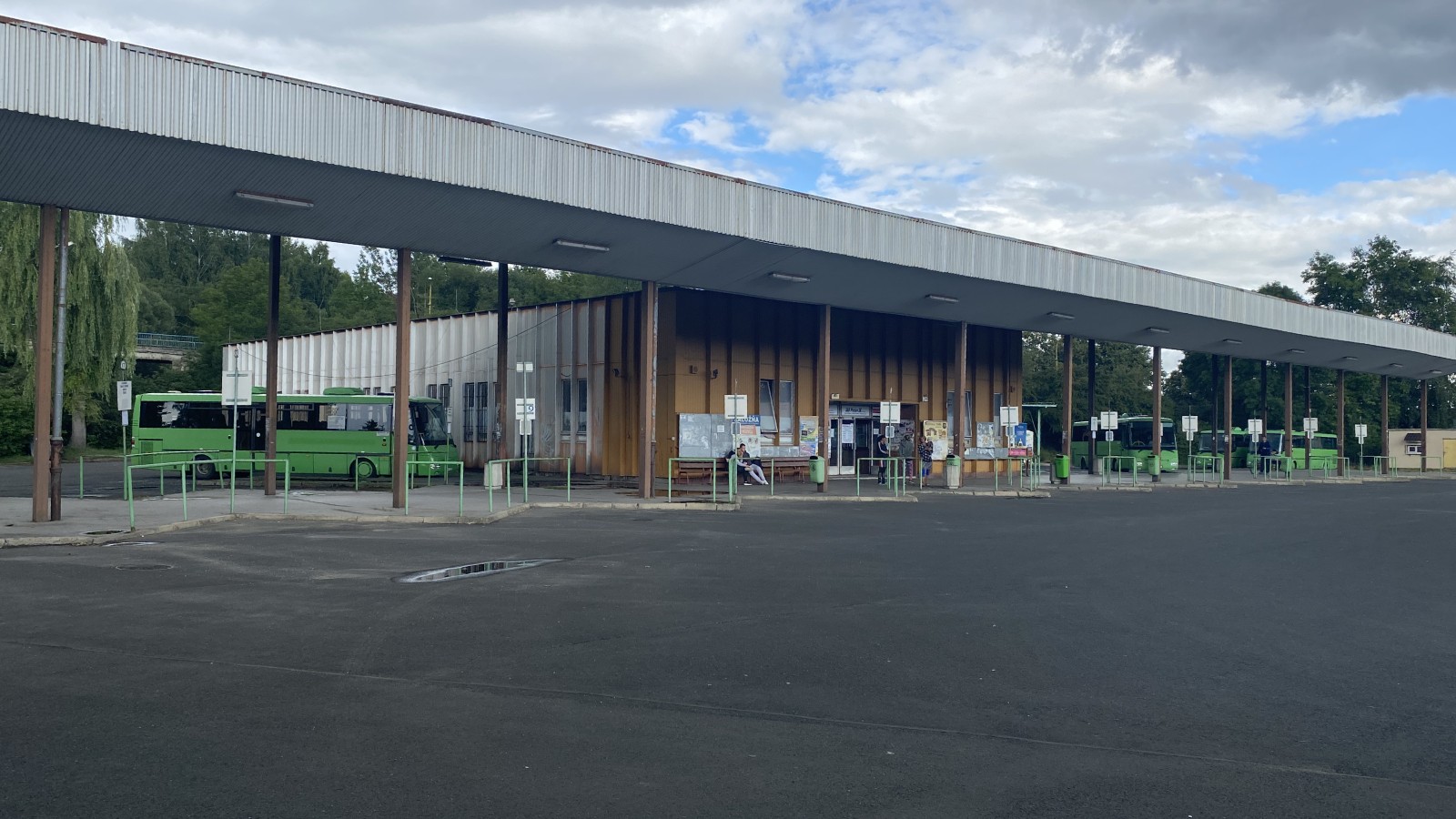
Bus station in Stara LubovlaTomasz Mateusiak / Onet
Apparently it's just as convenient to commute by train. I decide to check it out. From the bus station in Stará Ľubovňa I go about 500 meters further to the almost empty railway station. The timetable shows that a local train from Plaveč is scheduled to arrive in 15 minutes. There is a minute delay, about 30 people get off the train.
Some go home. Others transfer to a local city bus, the driver of which arrived at the railway station about 10 minutes before the train and simply waits at the bus stop for transferring passengers. “It's a pity that this isn't the case in Poland,” I think.
Time travel
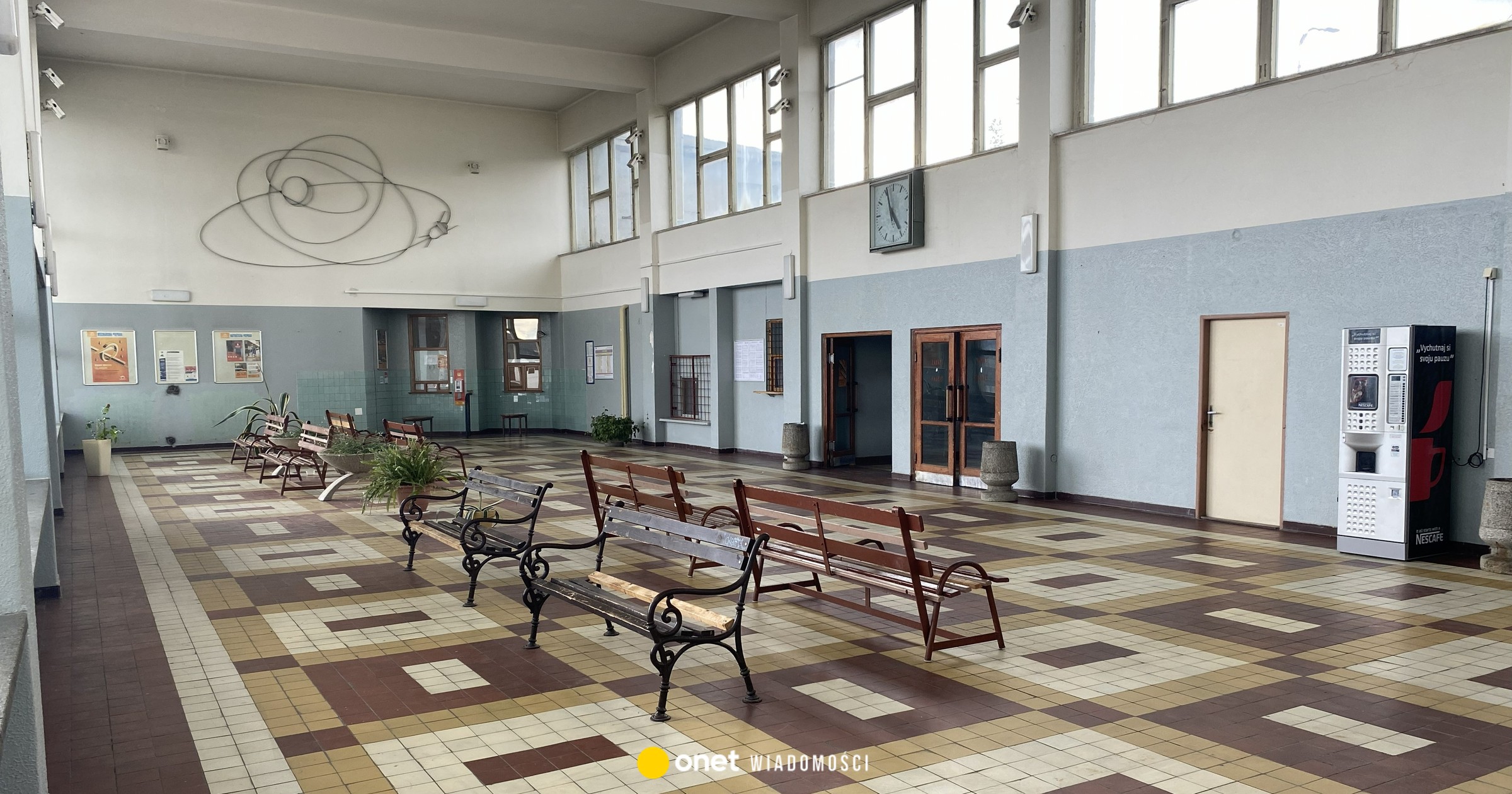
While observing Slovak railway stations, bus depots and stops, I have one more observation. From the Polish perspective, all these places seem very outdated. It's not that they're dirty or unkempt, because they're not. Someone takes care of them. The paint is not peeling off, no water is pouring on anyone's head from leaky roofs, there is a waiting room.
However, a visit to train or bus stations in Slovakia often gives the impression of traveling back in time. At the railway station in Lubovla I felt like I was in the 1970s, and at the bus station I felt like I was back in the 1990s.
Over the last 20 years, local governments in Poland have used EU subsidies and, adding money from their own budgets, often renovated stations and stops first. Even the old and historic ones were given a modern look – platforms paved with paving stones and glass shelters for travelers.
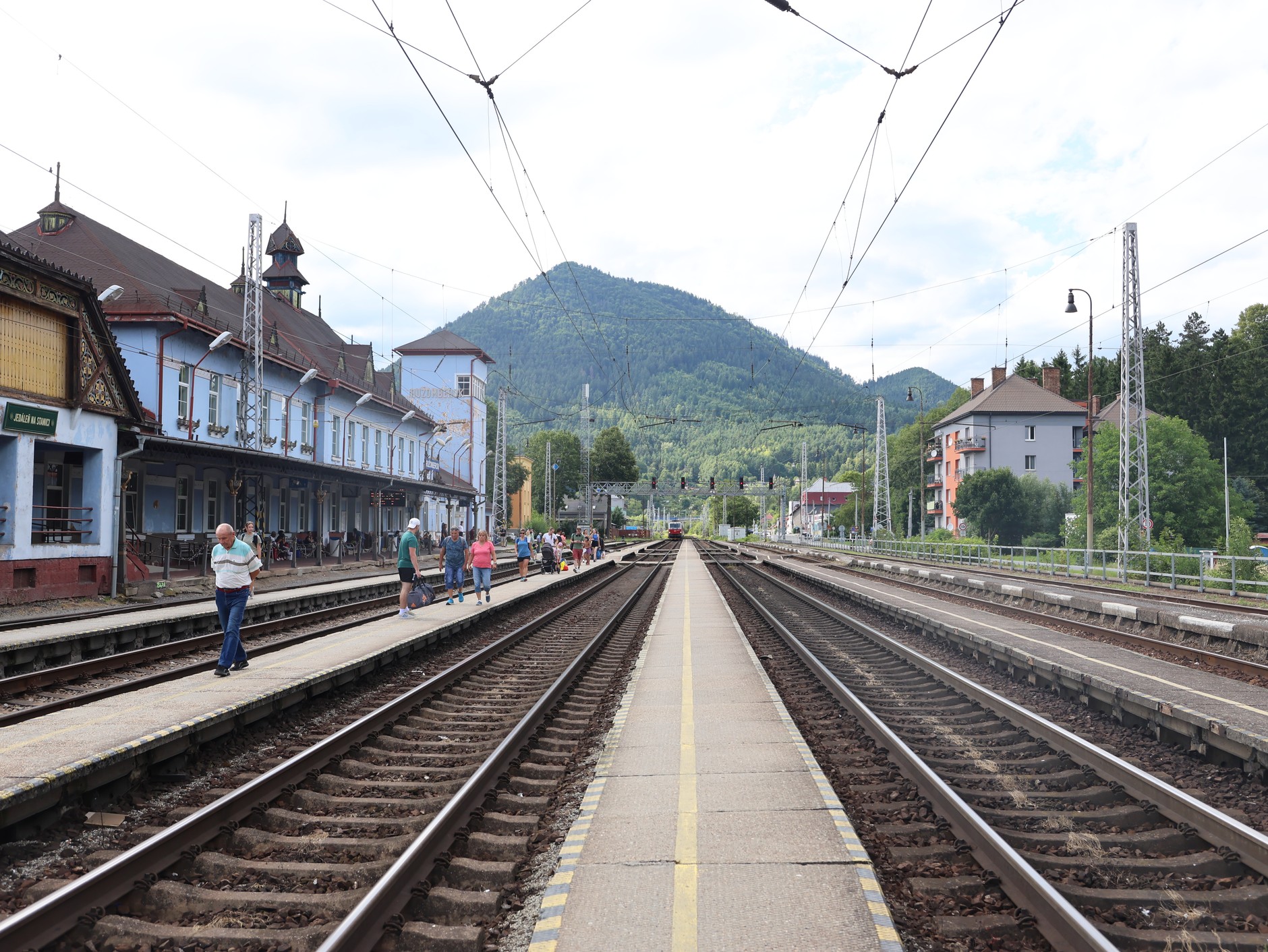
The historic but also slightly ruined railway station in RužomberokTomasz Mateusiak / Onet
This is not the case in Slovakia. Here, the stations are still made of sheet metal, and the platforms are made of crumbling concrete covered with flaked asphalt. Nobody really cares about the safety or needs of disabled people. At the railway station in Ružomberok (the twenty-second largest city in Slovakia – Bielsko-Biała is in the same place in Poland) the platforms between the tracks are so narrow that it is difficult for two adults to pass each other on them.
Driving there in a wheelchair is almost a stunt challenge. The local regional trains are also very old. Many wagons still remember the times of Czechoslovakia.