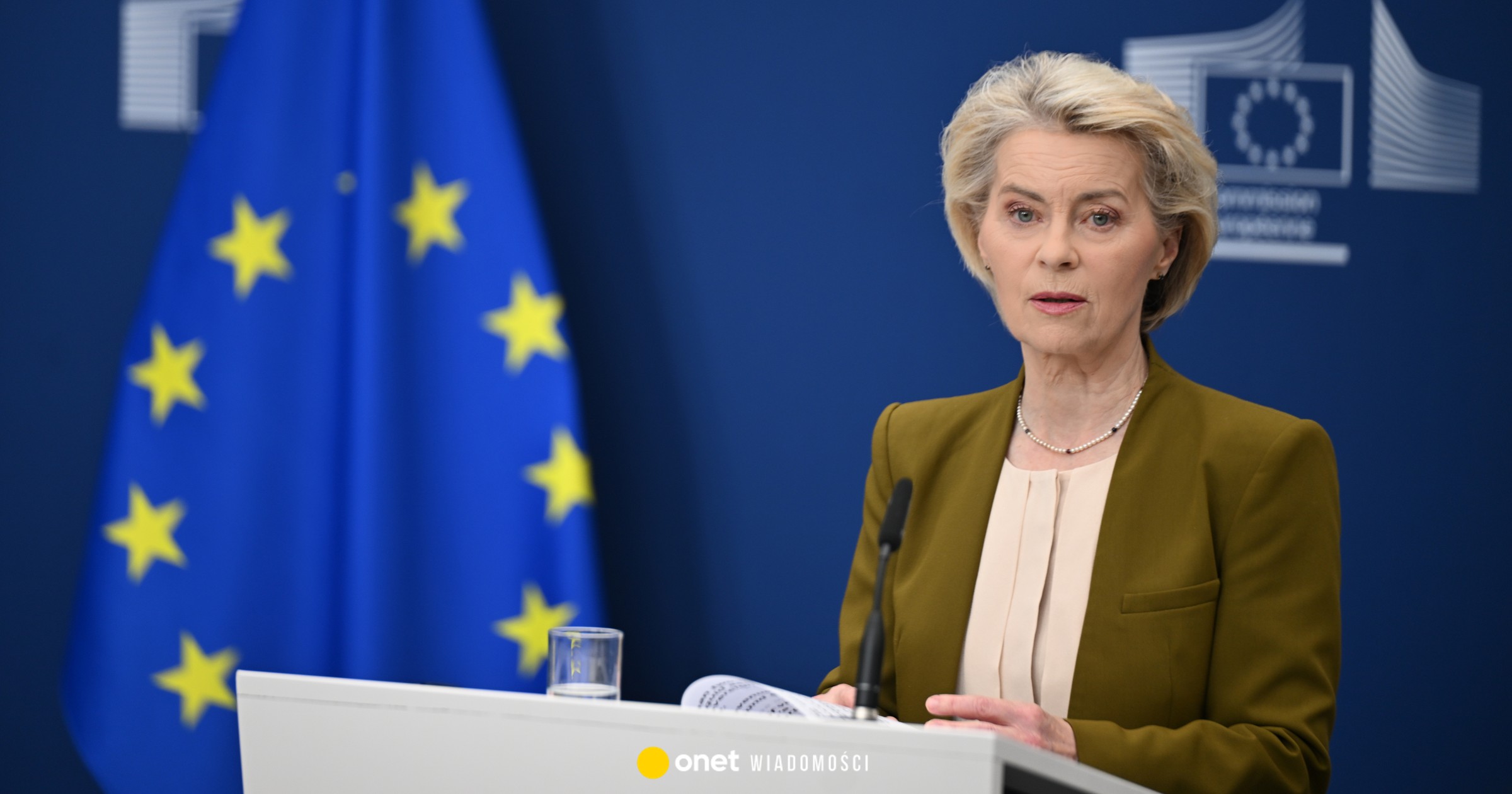
How to respond to Russian provocations? Volodymyr Zelensky at the NB8 summit in Tallinn

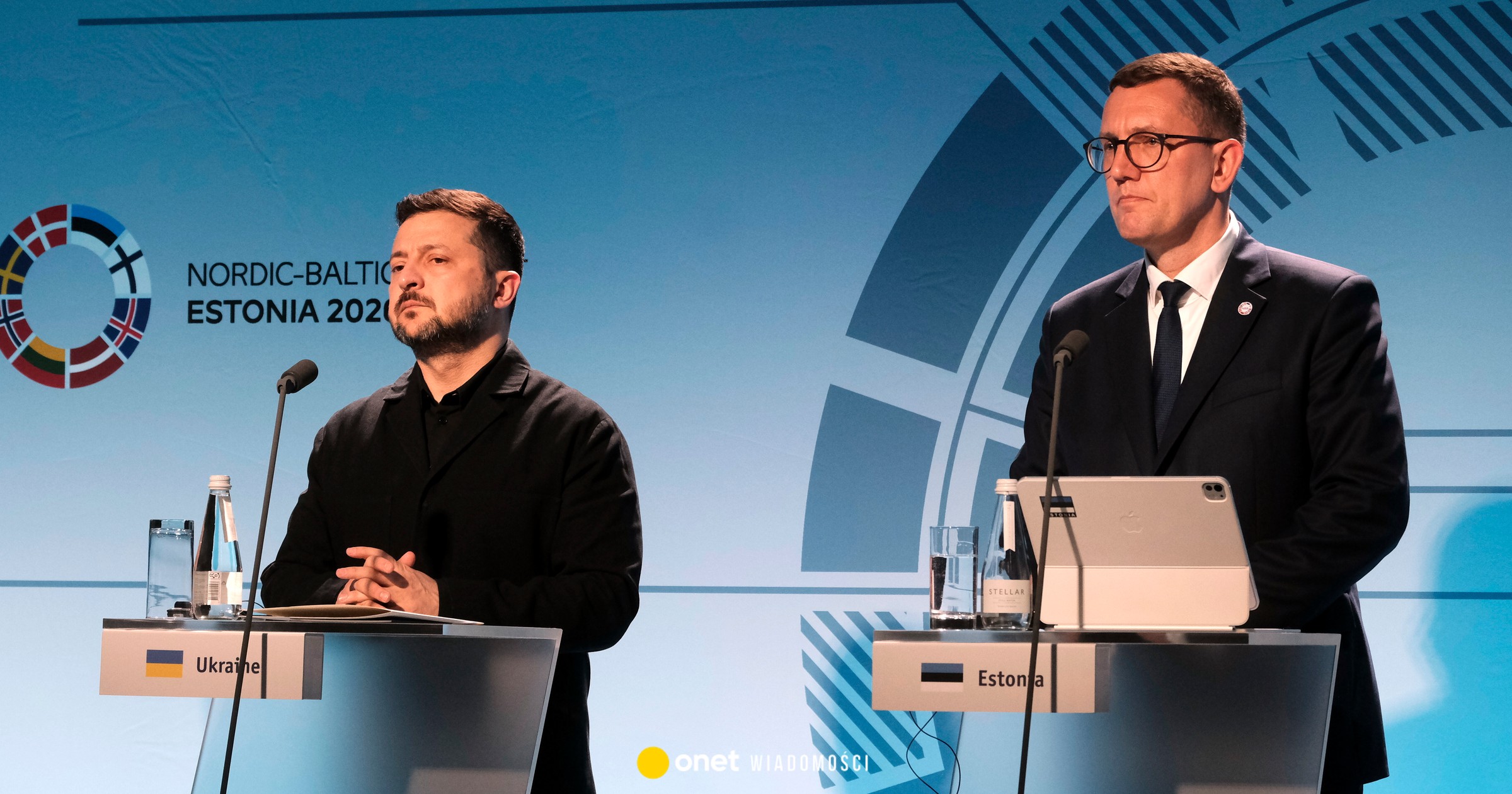
Russia may use further incidents of border violations by drones to pit Ukraine against its European allies – but, as Nordic leaders suggested in Tallinn, the answer is not to reduce support for Kiev. The solution is deeper cooperation on drone defense.
During Tuesday's Ukraine-Northern Europe and the Baltic States (NB8) summit, President Volodymyr Zelensky warned that Moscow is using drone incidents near European borders as a weapon to achieve what it has always dreamed of: diverting public opinion in Europe from further supporting Ukraine.
— Of course, Russia destroys drones using air defense systems and other systems, but it can also divert them using various solutions, including electronic warfare systems, Zelensky said.
In his opinion, the threat is not only technical, but also political. If drones appear near or on the territory of allied countries, Moscow could use such an incident to blame Ukraine and sow distrust among its allies.
“They changed the direction of these drones to divide us in Europe, put pressure on Europe, Finland and our Baltic friends, and then use it as an argument that Ukraine attacked,” Zelensky said. — This was their goal from the very beginning: divide us and weaken support for Ukraine in European countries.
Russia wants to divide Europe
Zelensky described the scale of the daily air war, saying Russia was attacking Ukraine with “over 650 drones” and “35 to 100 missiles” a day, while Ukraine was currently responding with “300, 350” drones and was working to increase that capability with additional resources.
The logic of Ukrainian long-range strikes is deterrence: Moscow must understand that if it fires hundreds of drones and missiles towards Ukraine, it will also feel the effects of this war on its own territory.
“They will also feel this war, just as we feel it,” Zelensky emphasized.
To reduce risk and strengthen allied defenses, Zelensky proposed expanding bilateral “drone agreements” with partner countries. Such agreements, he emphasized, are not only about the purchase or joint production of drones, but also about the rapid sharing of Ukrainian experience from the battlefield.
— The most important thing is to quickly transfer our knowledge and our people. Specialists who really know what to do and how to defend themselves, Zelensky said. “We are ready to send our teams of experts to teach, train and support defense,” he added.
Finland did not accept the Russian narrative, but blamed Russia and its constant aggression for the growing threat.
Finnish Prime Minister Petteri Orpo said Russia's daily attacks on Ukraine are the main cause of the drone threat in the region.
“The truth is that Russia attacks Ukraine every day, every night,” Orpo stressed. — This illegal war has been going on for five years and we understand that drones entering our airspace are part of Ukrainian self-defense. Ukraine has the right to defend itself.
Orpo added that Finland is already cooperating with Ukraine as part of the drone agreement mentioned by Zelensky and is taking national actions to improve the alarm system and increase readiness.
Fighters are not enough
Danish Prime Minister Mette Frederiksen pointed out that the current threat shows why Denmark should cooperate with Ukraine. — That's why we signed an agreement today with President Zelensky and Ukraine, Frederiksen said.
She noted that the agreement will help Denmark strengthen both its ability to detect and neutralize threats.
Frederiksen stressed that Europe cannot rely solely on purchasing equipment. Constant cooperation with Ukrainian forces is necessary, as they constantly adapt to Russian tactics.
PAP/EPA/VALDA KALNINA
Mette Frederiksen, Prime Minister of Denmark. Tallinn, June 9, 2026
— It is important to emphasize: it is not a matter of purchasing the appropriate technology, said the Danish Prime Minister. — The point is to have constant cooperation with Ukrainian forces on our territory to be able to implement the latest and best possible solutions.
Russia is also adapting quickly, which is why Ukrainian experience is so important.
— Ukraine has the latest and greatest competences to protect the sky, argued Frederiksen.
She also pointed to the recent case where Denmark shot down a drone using a fighter jet, emphasizing that while this shows the possibilities, it also highlights the limitations of relying on expensive, conventional responses to cheap threats from drones.
What Europe should do
The message from Tallinn is: Europe cannot allow drone incidents to become a tool to weaken support for Ukraine.
The immediate answer should be practical cooperation: knowledge sharing, teams of Ukrainian drone defense specialists, better detection systems, neutralization capabilities, and faster adaptation to Russian electronic warfare systems.
European response to 'lost drones' it should not be about panic or looking for someone to blame. Coordination is needed — and more pressure on the country that has made the skies unsafe: Russia.