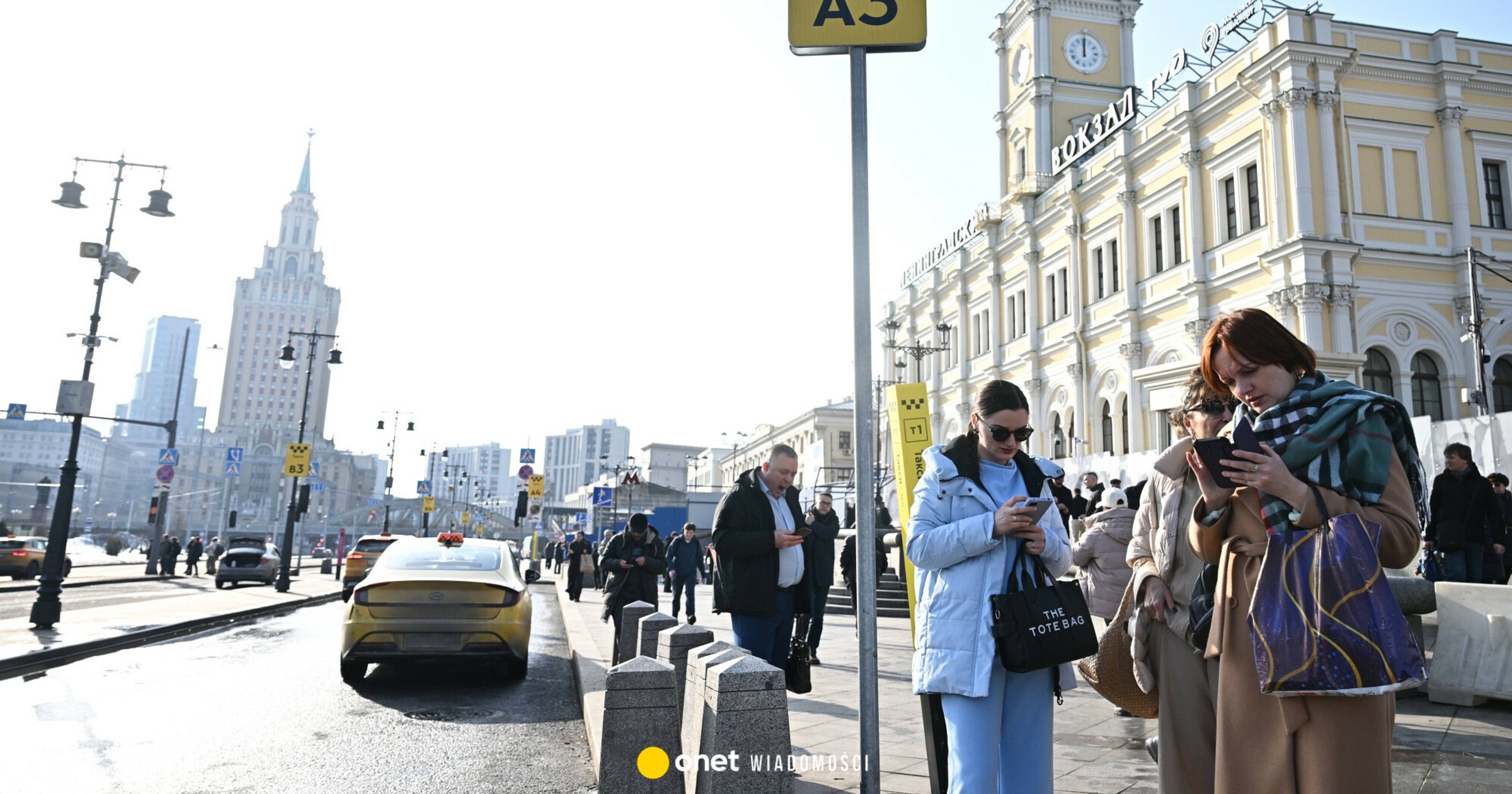
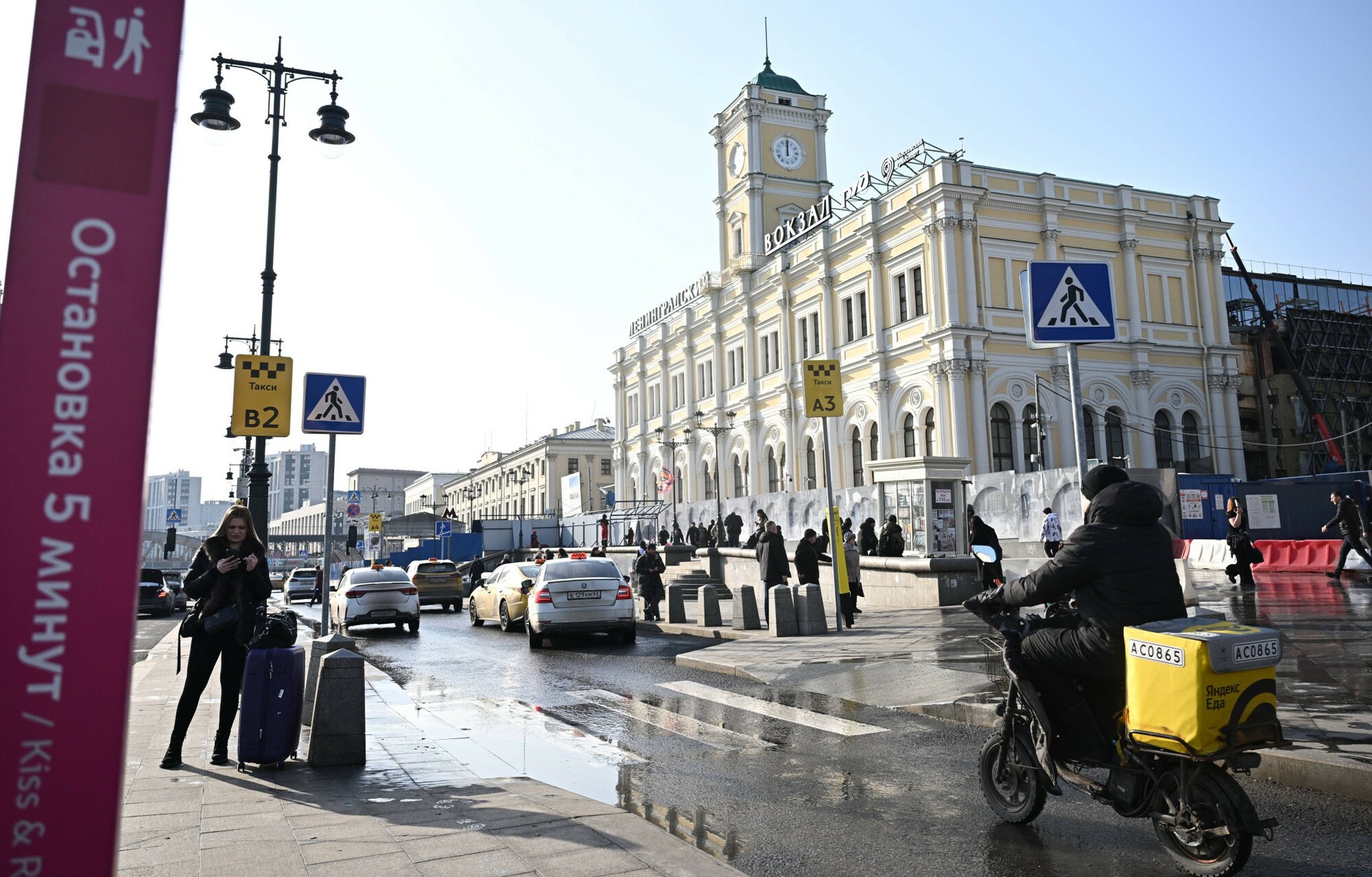
The first interruptions in the operation of mobile and internet networks occurred in the southern and central administrative districts. Then they spread to other districts of Moscow. At the same time, Russian media reported that in some districts of the city only selected websites from the so-called whitelist.
Telecommunications network operators stated that the interruptions were due to reasons beyond their control. “These may be due to security measures – we have no influence on them, and the date of their completion is unknown. For now, we recommend using Wi-Fi,” T-Mobile wrote in a statement.
As Novaya Gazeta found, by March 10, communications were completely or partially broken in at least 23 districts of the capital. Most often, Moscow residents complained about problems in the center: near the Kurskaya, Taganskaya, Baumanskaya and Kitay-Gorod metro stations. At the same time, the availability of the LTE network is displayed on the devices themselves, but in fact the Internet and often phone calls and SMS messages did not work.
Kremlin spokesman Dmitry Peskov said that “all disconnections and restrictions are carried out in strict accordance with applicable law.” – All of this is probably related to the overriding necessity – security. But in terms of the problems it creates for business, that's obviously subject to additional analysis, he said.
Moreover, answering journalists' questions about why the disconnections are taking place now, Peskov emphasized: – As the regime in Kiev uses increasingly sophisticated attack methods, more technologically advanced countermeasures are necessary to ensure the safety of citizens.
At the same time, the daily “Kommersant”, citing sources on the telecommunications market, reports that the current situation is related to “external restrictions”. An RBK source in the information security market says the problems are related with testing of “white lists” in Moscow. According to him, “these tests have been conducted in the regions for a long time, and now they have reached Moscow.”
Sarkis Darbinian, a lawyer specializing in digital issues, co-founder of “Roskomsvoboda”, in an interview with Novaya Gazeta, emphasizes that the main reason for such disconnections is the war that has been going on for over four years and “wild fear of repetition Operation Spider's Web [operacja Sił Zbrojnych Ukrainy przeprowadzona 1 czerwca 2025 r., podczas której rosyjskie lotniska wojskowe zostały zaatakowane przez drony FPV, potajemnie dostarczone ciężarówkami].
A message about no internet connection is visible on a mobile phone screen, Moscow, Russia, March 12, 2026.IMAGO/Kristina Solovyova/Imago Stock and People/East News / East News
— There was probably some signal from the intelligence that another attack was being prepared, and the authorities, in order to protect the capital and the officials living there, decided on an unpopular step. The comfort, well-being and even health of citizens have apparently given way to the country's main priority – ensuring the safety of the authorities themselves – says the expert.
At the same time, in his opinion, the very cutoff of communications in the capital in technological terms is almost no different from that which took place in Moscow before Victory Day in 2025. Mobile operators use the same technical means to “strangle” the entire stream of incoming and outgoing traffic, with the exception of the traffic of services from “white lists”, explains Darbinian.
Huge losses for business
The total losses for business in Moscow caused by cutting off Internet access were estimated by experts interviewed by “Kommersant” at between 3 and 5 billion rubles (from PLN 140 million to PLN 233 million).
In their calculations, they relied on the share of the digital economy in the gross regional product and the scale of restrictions. At the same time, the “Internet Protection Society” calculator calculated that One day of cutting off communications in Moscow costs approximately 4.8 billion rubles (PLN 224 million).
The article continues below the video
The press department of the Association of Internet Trade Companies also pointed out that Moscow is the largest consumer market for e-commerce. “Due to regular disconnections, the issue of the 'white list' is of key importance for business. In our opinion, every legally operating Russian service provided to the public should remain available. Otherwise, such a situation may lead to serious distortions of competition when several of the largest services are able to operate and all the others are not,” the association emphasizes.
At the same time, according to experts, cutting off access to mobile Internet has an impact primarily for small and medium-sized enterprises. They note that large companies whose branches were already struggling with regional restrictions had time to adapt their procedures.
— In Russia, 50-70 percent. Internet traffic falls on mobile devices, and the most affected are courier companies, taxis, carsharing, and retail with mobile terminals – says Sergei Kudryashov from the digital transformation department at Strategy Partners.
A woman waits at a taxi rank near the train station in Moscow, Russia, March 12, 2026.IMAGO/Kristina Solovyova / East News
Due to the shutdown of the mobile Internet, the number of orders for personal pickup on the Chibbis website dropped from 5-6%. up to 2%, and Flowwow couriers needed more time to determine routes. At the same time, the Ozon and Wildberries trading platforms stated that interruptions in internet access did not affect the operation of order collection points, because most of them use fixed-line internet.
“Moscow is turning into a backward city”
In general, residents of Moscow they struggle with many everyday inconveniences. For example, due to connectivity issues, you cannot authenticate on a public Wi-Fi network. Moreover, online maps do not load in the center, which causes delays in deliveries and couriers.
Many users are also unable to use mobile apps to pay for parking, and those who try to do so via SMS face errors when topping up their account. Residents often fail to pay their cafe bill using mobile terminals.
Darbinian notes that in addition to billions in losses for business, disconnecting the Internet leads to the failure of “a huge number of Internet of Things devices that are responsible for the smooth functioning of the city and its inhabitants.”
— From the once progressive capital, where digitalization has touched every aspect of life, Moscow is turning into a backward city where fast Internet access is no longer guaranteed and people are returning to offline applications, MP3 players and cash, the expert concludes.
I’m Ashley Davis as an editor, I’m committed to upholding the highest standards of integrity and accuracy in every piece we publish. My work is driven by curiosity, a passion for truth, and a belief that journalism plays a crucial role in shaping public discourse. I strive to tell stories that not only inform but also inspire action and conversation.