Sunday's election in Bulgaria could produce Europe's new Viktor Orbán. “He already had a serious conflict with Zelenskiy”

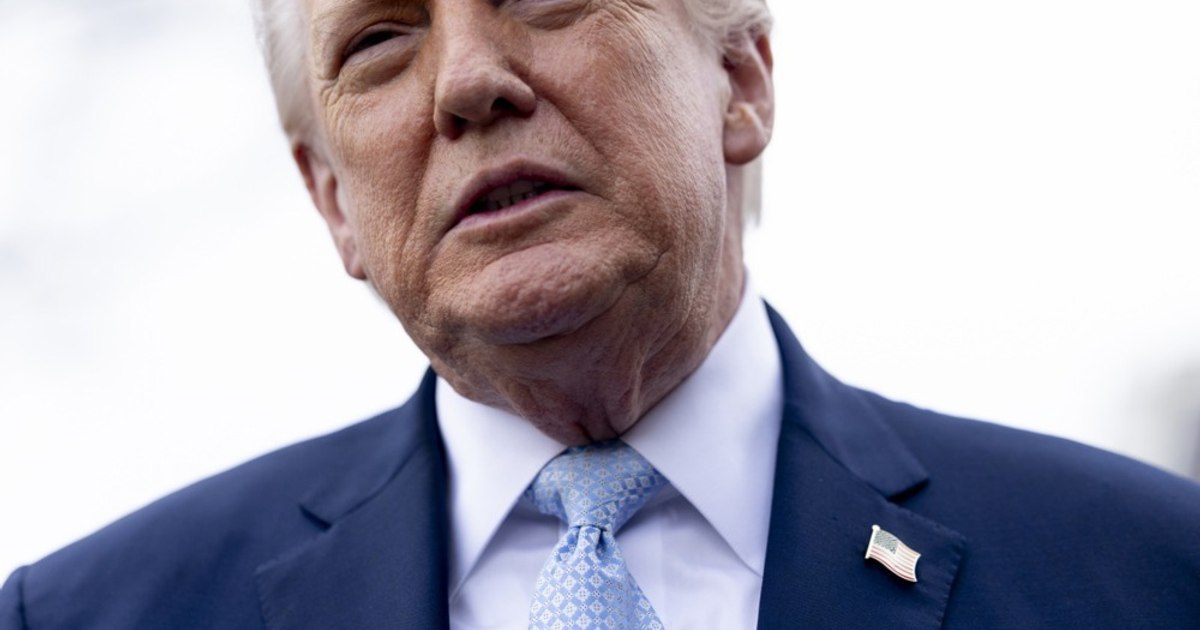
Political scientist Radu Albu Comănescu, from UBB Cluj, believes that former Bulgarian president Rumen Radev has a similar profile to Viktor Orbán. However, at least so far, Radev has not blocked aid to Ukraine, even though he is at odds with Zelensky and has constantly criticized the country.
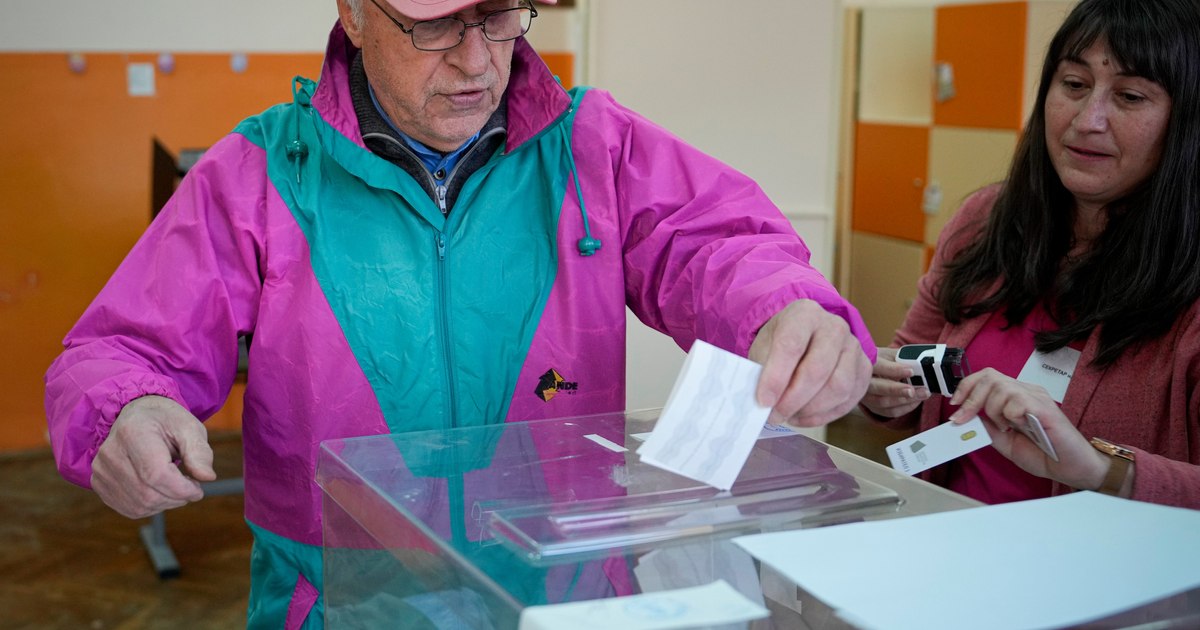
Bulgarians will vote on Sunday for a new leadership. PHOTO: Profimedia
Ahead of Sunday's election, former president Rumen Radev's Progressive Bulgaria Party is leading the polls in Bulgaria. The main counter-candidate is GERB-SDS, and in third place is Continuing the Change-Democratic Bulgaria (PP-DB) and DPS would be in 4th.
The truth: What is the situation in Bulgaria, in the last hundred meters before the elections on Sunday, and what lessons do they seem to have learned from the Hungarians?
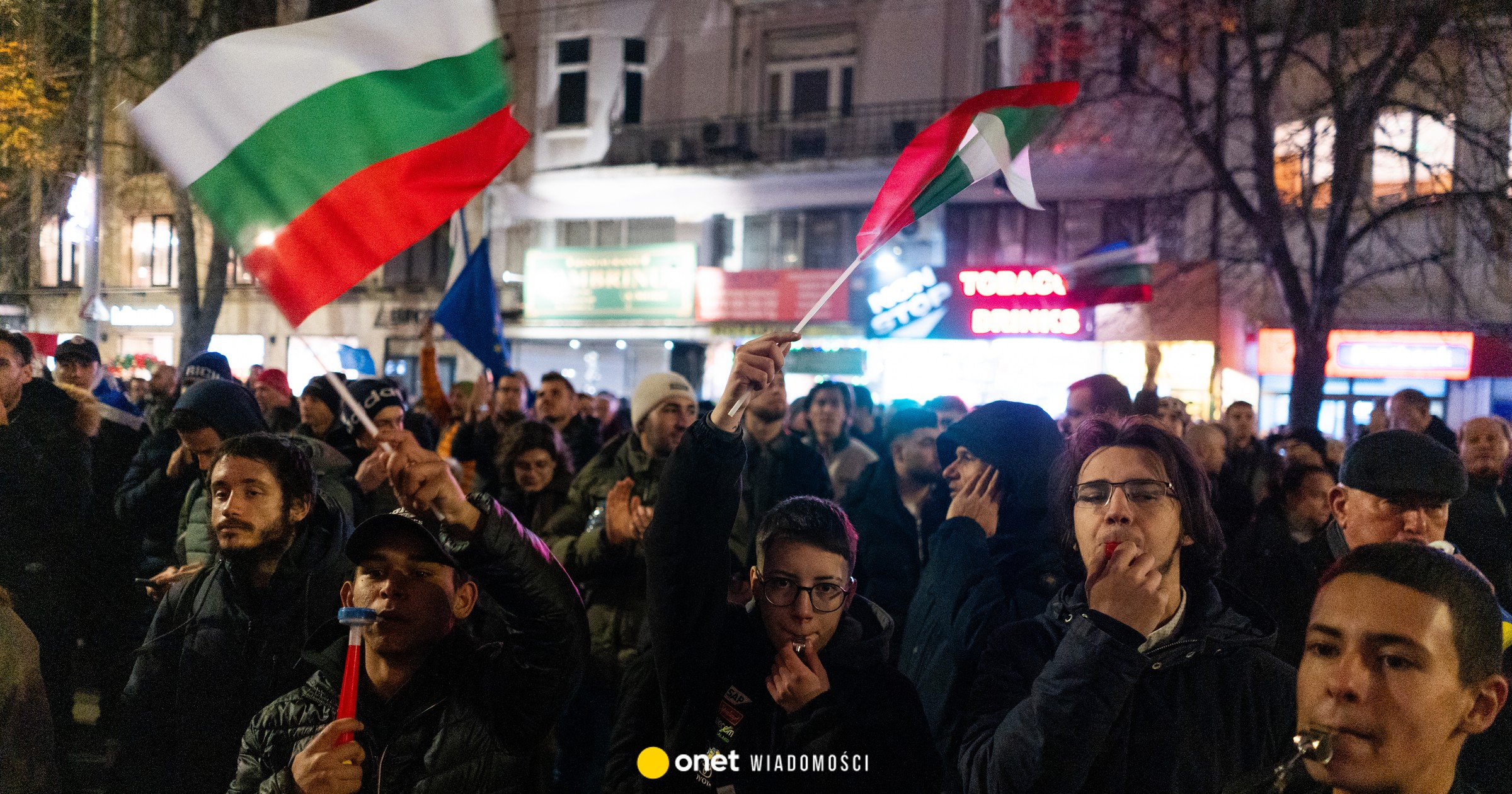
Radu Albu Comanescu: In Bulgaria we have practically almost six years of continuity in the protests that we know, directed by the Bulgarian population against the massively perceived corruption in Bulgaria. Now what matters is probably the last hundred meters lesson learned by the Bulgarian electorate and Bulgarian politicians after the Hungarian elections. The conclusions might be related, at the end of the electoral campaign in Bulgaria, to what is happening now in Hungary. Because the shaping of the political personality of those who are involved in the elections may be done taking into account the lessons of the debate and the rivalry between Viktor Orbán and Péter Magyar.
Does it seem like we are heading towards a victory for pro-European forces or, on the contrary, for those favorable to Russia?
It is very difficult to estimate, because those who are really a European block have not yet captured the full sympathy of the Bulgarian electorate, which we know is dominated by shades not necessarily conservative, but, from a cultural perspective, pro-Russian, anchored in the area we call conservative-sovereignist and which Radev might use precisely to better build his position.
Viktor Orbán of Sofia or Fico of Bulgaria
Could Rumen Radev become Europe's new Viktor Orbán?
Indeed, this comparison can be tempted, but I would put him in a much more moderate zone than Viktor Orbán. Now sure, probably the most tempting comparison is between him and Viktor Orbán, let's say that south of the Danube there may be a “new Orbán” or a character that will turn into a new Orbán. And if we follow him in his political course over the last year, the last year and a half – or we can go all the way to the open conflict he had in Bulgaria with Volodymyr Zelenski during his visit, there are a number of elements that support this comparison.
On the other hand, we can see that although he has a speech that is not necessarily favorable to Ukraine, he has never stopped the process by which the Bulgarian government remains in an area that gives aid to Ukraine. It is not in an area to block or build obstacles – either through narratives, or through influencing public opinion, or through legislative or executive acts – which would block Sofia's connection with Brussels, so it is restrained, it is restrained.
Would there be another European leader we could compare him to?
Probably we could rather rank him somewhere alongside Babiš, maybe alongside Fico, because I have the impression that he will be much more malleable, more capable of negotiation, more pragmatic when it comes to the relationship with Brussels in exchange for European funds. And, in exchange for mutual concessions, he will probably position himself in a much less radical manner than Viktor Orbán has done over the past 10 years vis-à-vis Brussels.
What can come out of the “battle for Bulgaria”
What would be the other important forces involved in the “battle for Bulgaria?”
“We continue the Change”, I think that's how it would be translated in Romanian — which is a liberal and reformist platform, but also the main promoter of requests for Europeanization, transparency, good governance. It is somehow born from the spirit of protests that mark the Bulgarian electorate from 2020 onwards, with an obvious increase in recent years.
What is changing on the Bucharest-Budapest axis after the victory of the Hungarian opposition. “The Romanian authorities were “hands tied””
It seems to me that we have had seven governments in Bulgaria in the last five years, and that is high instability. Not chronic, because it is a very tense period in terms of international crises and destabilizing factors, but clearly elevated.
Could the pro-Europeans, following the model of Hungary, also win in Bulgaria?
We do not know to what extent those who are now involved in “Continuing the Change”, in this movement, can capture the electorate. And here comes the lesson that we saw in the Hungarian electorate: if they can use a new narrative and tell the electorate that, as we see, even in the most sovereignist-conservative and most staunchly pro-Russian countries, the electorate has realized that there is no other way than the European Union. By going this route, he might, indeed, appeal in the same way that Radev does: to capture the pragmatism of the electorate to say: “Well, whether I like it or not, my prosperity depends on my relationship with Brussels.”
But here, somewhere, he would still meet the relatively flexible ideas of Radev, who could also ride this wave of economic pragmatism adapted to the interests of the Bulgarian electorate. Because Radev, for his part, has a pragmatic concept of connections with everything the international scene means. I would have said that “economics matters more than ideology”. Which is a bit restrictive and highly questionable phrasing, because ideology means, after all, a set of values, but there he didn't venture to teach us a lesson.
Instead, clearly, the economy becomes the filter through which Bulgaria understands how to relate further – both in the conservative area and in the Europeanist area – with European institutions and international partners. Bulgaria's economy must become secured in terms of energy resource, which, just as in the case of Hungary, justifies the connection with Russia beyond the cultural affiliation from the 19th century onwards. And Bulgaria will probably be tempted to look for alternative markets along the exact route that Viktor Orbán has tried in the past.
Why Bulgaria is unique in Europe
You said that Radev looks more or less like Viktor Orbán, but Bulgaria, in the picture of the moment, with which European state could it be compared?
It is a sui-generis model, because, unlike the countries of Central Europe, Bulgaria went through an accentuated phase of instability. This kind of diarchy or conflict between the two heads of the executive—the president and the prime minister—was also observable in the case of Poland. Now it also happened in the case of Slovakia, it is still happening in the case of the Czech Republic (where we had a difference between the position of the president and that of the former prime minister Babiš).
The first essential tests for the new Hungary. Romanian professor from Oxford: “He will have to specify the future relationship with Russia”
And what would that be specific only to Bulgaria?
What gives Bulgaria a specificity, however, is the area of political instability combined with the preferential cultural relationship towards Russia. And I think I could also add here a need or urgency (you can say increased need, but I think “urgency” is the more correct term) of effective governance. Effective because we know well that Bulgaria, like us, was at the bottom of the ranking in terms of good governance, efficiency and the perception of corruption.
And yet, despite the political crisis and heightened instability, Bulgaria took us ahead of us and adopted the euro currency, and inflation is incomparably lower than in our country, not to mention that this country benefits from much cheaper financing than Romania, and the Bulgarian rates are much lower than ours. Where was the difference made?
All this is possible because they made this special effort. I think I could call it the compensatory effect of an image long tarnished by these barriers in the political, justice and international perception spectrum. It was an economic effort that proved meritorious, it was settled by preparing for the accession to the euro, which gives them this competitive advantage in relation to us. First of all, they borrow at much lower rates on the international financial scene than Romania does.
And I think that, somewhere, the advice received by the Bulgarian governments from those Bulgarians in key positions in international organizations was good.
Are you referring to Ms. Kristalina Georgieva, director of the International Monetary Fund, formerly head of the World Bank?
Exactly, she is what I am referring to, but it should also be mentioned that there are also international think-tanks in Central Europe, people who have enough of a network behind them to advise the Bulgarian government positively. And they also listened to these advices. And with all their faults and problems they did reform otherwise.