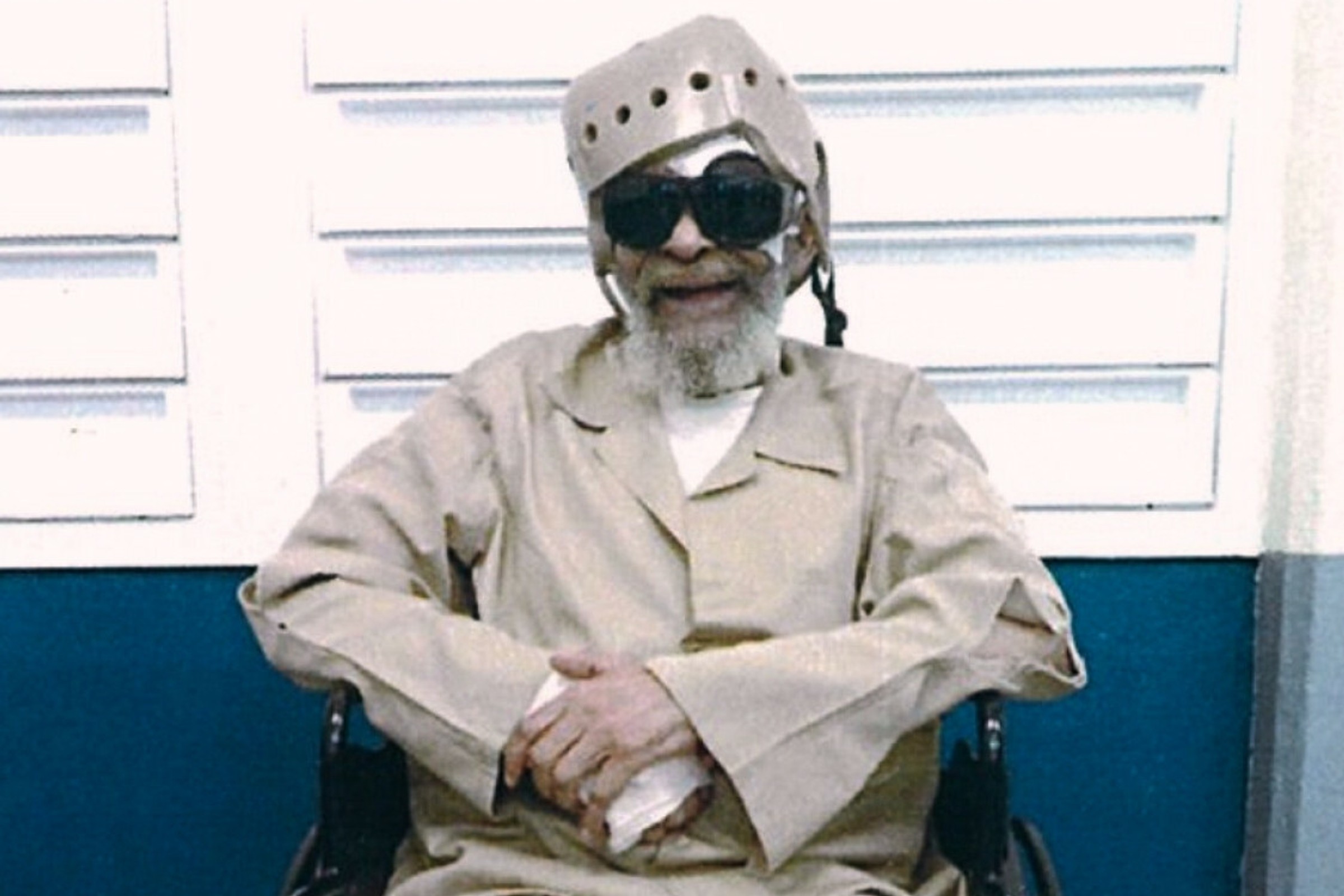
Charles “Sonny” Burton was scheduled to be executed in Alabama even though he had not personally killed anyone. However, he was convicted on the basis of the doctrine felony murder [tzw. zabójstwo w wyniku przestępstwa]recognizing all participants in the attack as equally responsible for the death of the victim. Gov. Kay Ivey of the Republican Party, however, said it would be unfair to carry out the sentence because Burton had left the store before the fatal shot was fired.
Why was Charles Burton pardoned?
Who made the decision to pardon Burton?
How long did it take for Burton to be executed?
What punishment did Burton receive after being pardoned?
According to NBC News, the decision to grant clemency was made two days before the scheduled execution, ending Burton's more than 30-year wait for death. The man is 75 years old and has long maintained that he should not be punished for an act he did not commit.
The murder Charles “Sonny” Burton didn't commit
The killing occurred in 1991 during a store robbery, when another participant in the robbery, Derrick DeBruce, shot and killed customer Doug Battle. Burton did not know that a shot had been fired because he was already outside the building.
Despite this, he was sentenced to death, while the actual killer later received a life sentence. The case sparked protests and appeals from defense lawyers, who emphasized that the death penalty in this case was morally and legally questionable. Governor Ivey stated that Burton did not direct the perpetrator's actions and had no influence on the shooting.
Her decision was only the second time a death row inmate was pardoned during her term. Burton's sentence was commuted to life imprisonment without the possibility of parole.
The case once again drew attention to the controversy surrounding the doctrine felony murder and its consequences for people who did not commit the murder. Many commentators considered the governor's decision an act of basic justice. Burton would spend the rest of his life in prison, but would avoid execution, which he believed was completely wrong. According to defense lawyers, his case shows how easily in the American legal system the death penalty can be applied to people who did not pull the trigger.
Ivey's decision ended a years-long legal and social battle surrounding the case. The state emphasized that although Burton participated in the robbery, he could not be considered the perpetrator of the murder. The execution, scheduled for Thursday, has been officially canceled.