What is the Strait of Hormuz and why it remains one of the most sensitive points of global energy geopolitics

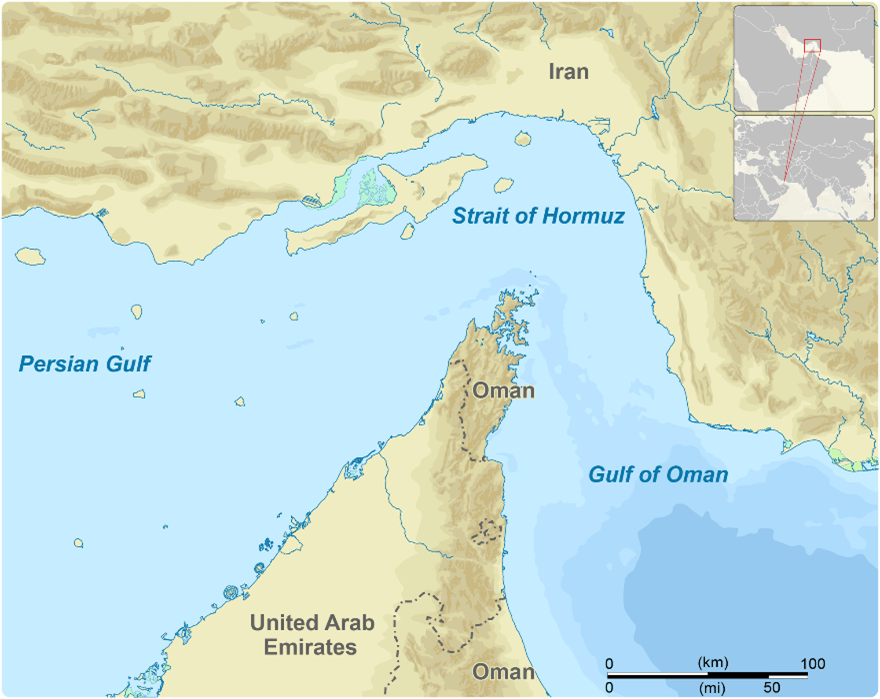
The Strait of Hormuz, a narrow sea channel resulting from long-term tectonic processes, has again become the critical point of global energy security in 2026. In the context of the attacks launched by the United States and Israel on Iran on February 28, oil and gas flows across the strait were disrupted, and international markets reacted immediately.
- Professor Constantin Crânganu, geophysicist and hydrogeologist at The City University of New York, explains in his essay published on Contributors how the geology of the region created both the hydrocarbon wealth of the Persian Gulf and the structural vulnerability represented by the Strait of Hormuz.
A geological “bottleneck” with global implications
The Strait of Hormuz is one of the planet's most significant “glass necks”: a place where geology and geopolitics overlap in an exemplary way. The channel has an average depth of about 110 meters and a width of about 55 km at its narrowest point, being the result of the interaction between the Arabian plate and the Eurasian plate.
This geological architecture allowed the accumulation of about 12% of global oil reserves on both sides of the Persian Gulf. It also created a narrow maritime corridor with only a few navigable routes for large oil tankers.
Why does so much oil pass through Hormuz?
In recent years, between 20 and 25 percent of the world's seaborne oil trade—about 20 million barrels a day—passed through the Strait of Hormuz. A fifth of the global trade in liquefied natural gas also passes through this passage, especially Qatar's exports to Asia.
The concentration of these flows in a single geographical point is the direct consequence of the way in which the Persian Gulf was formed as a foreland basin of the Zagros mountain range, as well as the presence of deep evaporitic levels of the Hormuz type, which favored the development of structural traps for hydrocarbons.
How Hormuz became a geopolitical pressure point
Although it has existed for millions of years, the Strait of Hormuz entered the global geopolitical consciousness only in the 20th century, with the transition from coal to oil. The discovery of large oil fields in Saudi Arabia, Iran, Iraq and the Emirates has turned this channel into a central element of world energy security.
During the Iran–Iraq War of the 1980s, the strait became the scene of the “oil tanker war”, and subsequent episodes related to Iran's nuclear program have periodically brought up the threat of its closure.
The 2026 crisis: geology meets geopolitics in the 'short time'
The attacks on 28 February 2026 temporarily paralyzed traffic through the strait. Oil tankers remained at anchor off the Emirates and energy prices rose sharply. Iran has threatened to close the strait completely, and the Parliament in Tehran has explicitly supported this option.
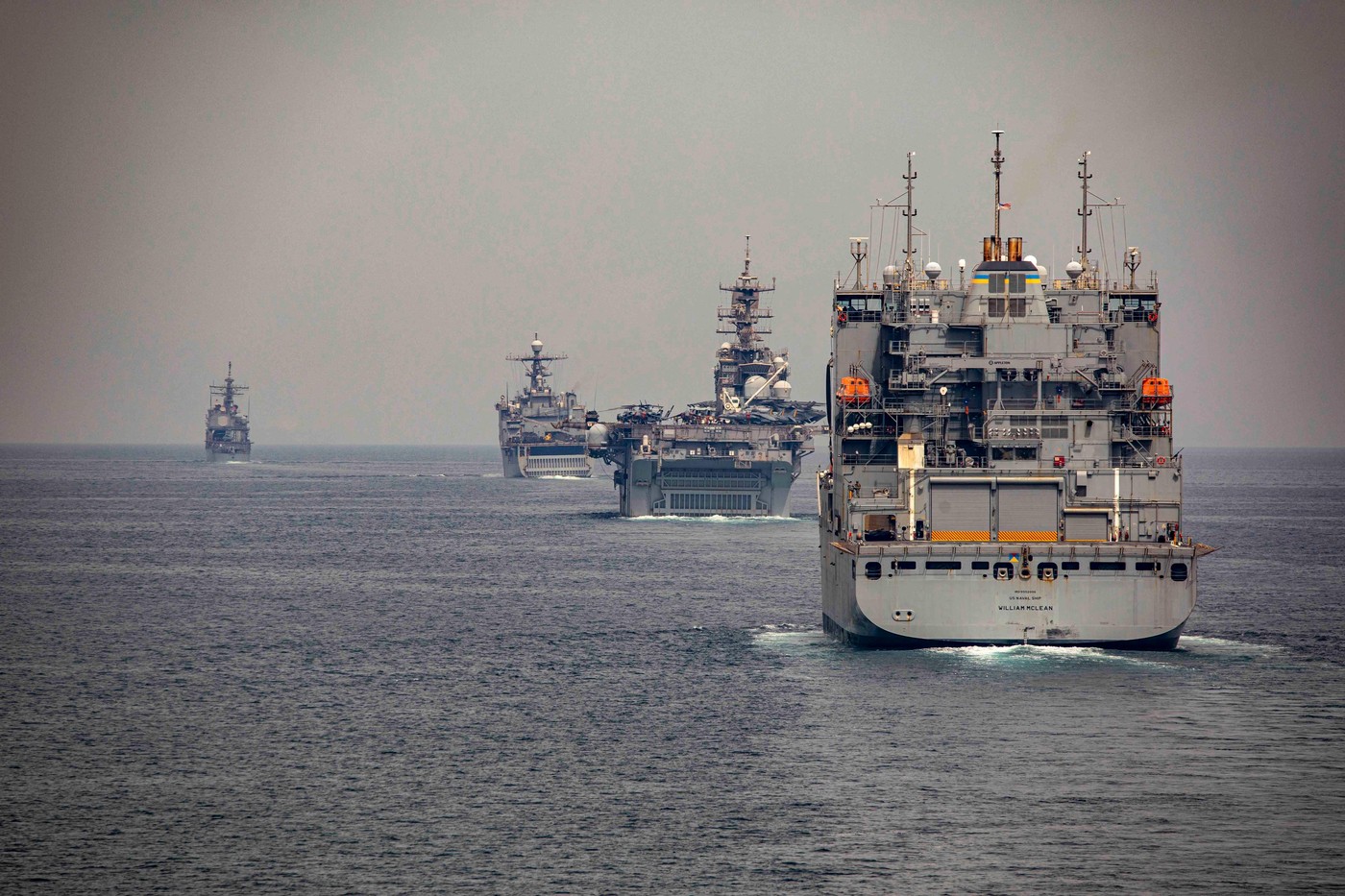
President Donald Trump's administration has announced that the US Navy will escort merchant ships through the strait, providing insurance guarantees for shipowners. This decision reduces the immediate risk to merchant ships, but amplifies the systemic risk: in a narrow channel, the proximity of the coasts and the lack of maneuvering space increase the likelihood of incidents with the potential for escalation.
Impact on exporters and importers
For the Persian Gulf states – Saudi Arabia, Iraq, the United Arab Emirates, Kuwait and Qatar – the Strait of Hormuz remains the main export channel. Alternative pipelines exist, but their capacity is limited in relation to total volumes.
Importers feel the shock differently:
- United States are affected mainly by prices and volatility, being a net exporter of oil and gas.
- Asia (China, India, Japan, South Korea) is the most vulnerable, heavily dependent on flows from the Persian Gulf.
- european union remains exposed through the global price of oil, even if direct imports from the region are lower.
Energy system inertia and future scenarios
Repeated Hormuz crises can accelerate:
- diversification of supply sources,
- investments in pipelines bypassing the straits,
- energy transition and electrification.
However, the inertia of the global energy system is high. Even in an optimistic scenario, oil and gas from the Persian Gulf will continue to flow through Hormuz for decades to come.
Why Every Generation “Rediscovers Hormuz”
The Strait of Hormuz is a rare example where the “long time” of geology and the “short time” of geopolitics meet. The collision of the Arabian plate with the Eurasian plate, the uplift of the Zagros mountains, the formation of the foreland basin of the Persian Gulf, the obduction of the Oman ophiolites and the diapirism of the Hormuz salt created both the huge reserves of hydrocarbons and the narrow sea gate through which they can exit to the rest of the world.
The political actors change—from the British Empire to the United States, from the Shah of Iran to the Islamic Republic—but the geological constraint remains the same.
Conclusion: Geology's lesson for geopolitics
The Strait of Hormuz cannot be “redrawn” by geopolitical engineering. But we can gradually reduce global dependence on this bottleneck by diversifying infrastructures and accelerating the energy transition.
For geologists, the Hormuz case shows that understanding tectonic processes is not just an academic exercise, but a direct contribution to analyzing the economic and political vulnerabilities of the contemporary world.