One meeting that may affect the future of the EU. “Save Europe”

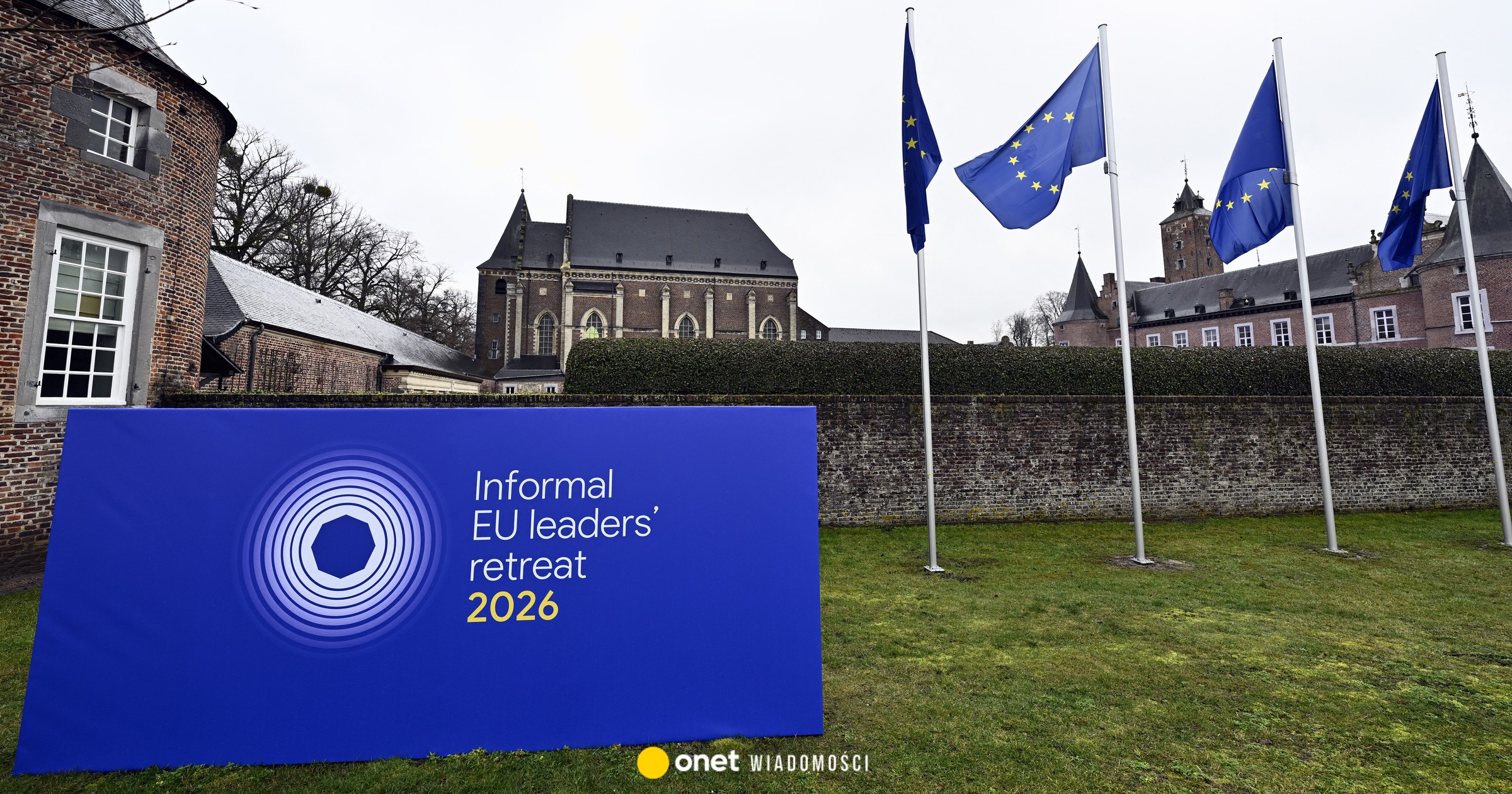
When the going gets tough, EU leaders raise the drawbridge and retreat behind fortified walls.
This week is no exception. As it gets worse debates on the future of the EU In an uncertain world, leaders will meet on Thursday at Alden Biesen in Flanders, a charming place that provides the perfect setting for very serious talks.
Alden Biesen – located near Bilzen in the Belgian province of Limburg – is one of the largest castles between the Loire and the Rhine. It even has a moat to keep out intruders.
Get away and think
— The closed galleries of European castles and palaces have long been favorite meeting places for the EU's political elite, notes Luuk van Middelaar, historian and director of the Brussels Institute of Geopolitics. “They provide the seclusion necessary for real work, away from the control and noise of the metropolis,” he adds.
— Back when the European Council was still a traveling circus, castle summits were also a great opportunity for the host to show off. Locks provide what is so often missing from EU decision-making: spectacularity and splendor says van Middelaar.
Since October 2003, all formal meetings of the European Council have been held in Brussels. Previously, meetings often took place in the country holding the rotating presidency of the EU Council.
The first such trip, devoted to defense, was organized in a hurry.
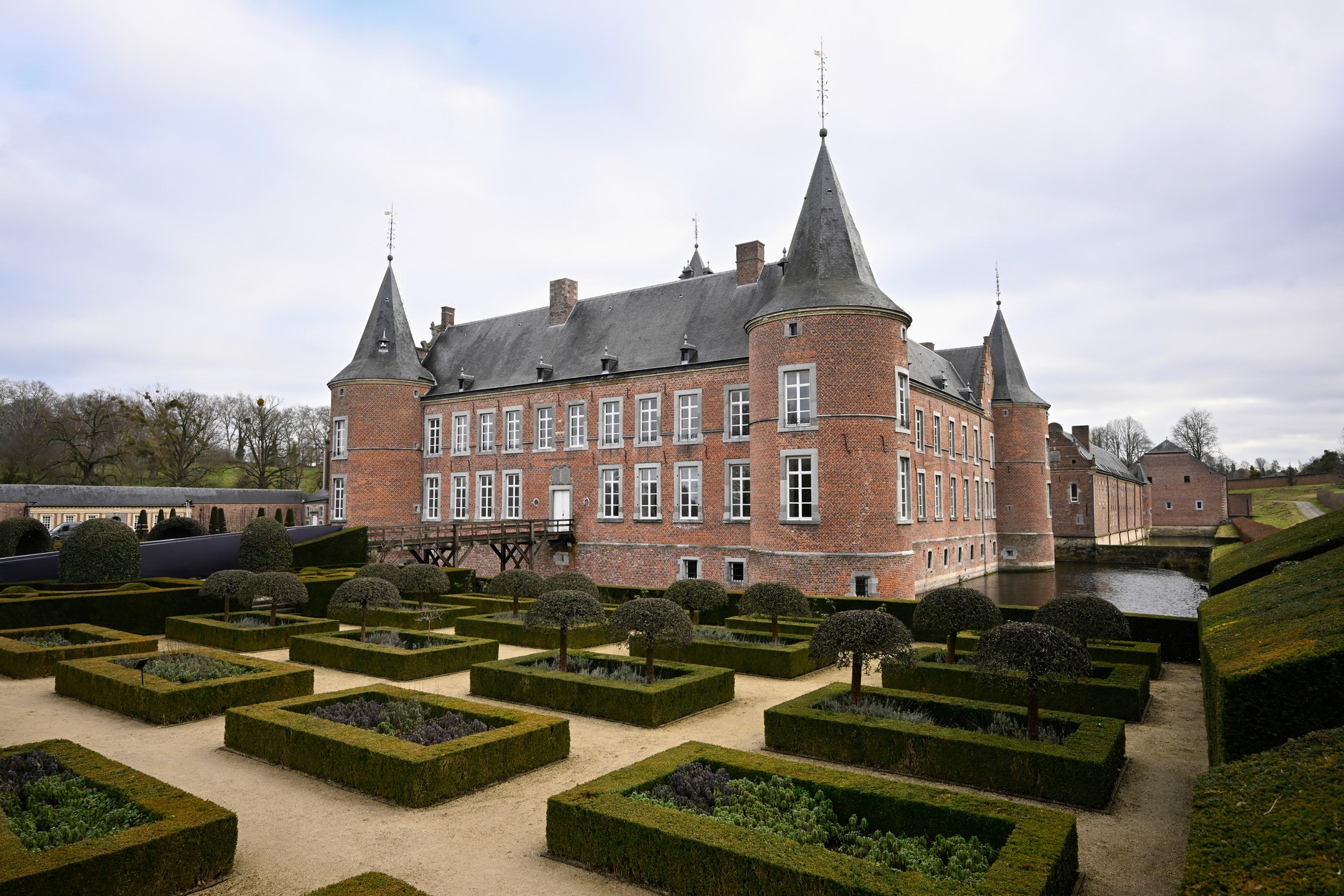
Alden Biesen, February 2, 2026John Thys / AFP
Meeting history
With little time to search for impressive fortresses, the Council decided to err on the side of caution and met at the Palais d'Egmont in Brussels, the seat of the Belgian Ministry of Foreign Affairs. It was a respectable place, but not a castle.
Council officials later looked at locations across Belgium and then settled on Alden Biesen, which met all the requirements: security for 27 leaders, space for the press, and the right mix of practicality and stone walls.
This is not the first time the EU has taken this approach.
As a result of this informal summit, the so-called the Versailles Declaration, in which member states committed to increasing defense spending and reducing energy dependence on Russia.
In September 2016, during their first meeting after Britain voted to leave the European Union, leaders traveled to Bratislava's impressive hilltop castle overlooking the Danube.
Following the attacks of 11 September 2001, the European Council met in December 2001 at the Chateau de Laeken, the official residence of the Belgian Royal Family. The secluded location provided the security necessary to conduct sensitive conversations about terrorism.
A moment on which much depends
Going back even further, in December 1991, the European Council summit that paved the way for the Maastricht Treaty was held in the Provinciehuis Limburg – not in the castle. However, during a side event, the leaders went to the nearby Chateau Neercanne, where they symbolically signed their names on the cave wall during a lunch hosted by Queen Beatrix.
On rare occasions, turrets give way to cloisters. The Treaty of Lisbon was signed on December 13, 2007 in the 16th-century Jeronimos Monastery, a UNESCO World Heritage Site.
— Castles appeared in Europe mainly after the fall of Charlemagne's empire. They were a reaction to uncertainty related to the power vacuum and fears about what it might mean for those in power, says medieval historian Matt Lewis.
“The appeal of hosting major international events in castles and palaces remains strong today,” adds Lewis. — Modern politicians, at least in part, follow the same strategy as their medieval ancestors. At the same time, such a meeting place testifies to a certain fragility, to a moment on which so much can depend, and which is strengthened by the centuries-old fortifications of the castle.