
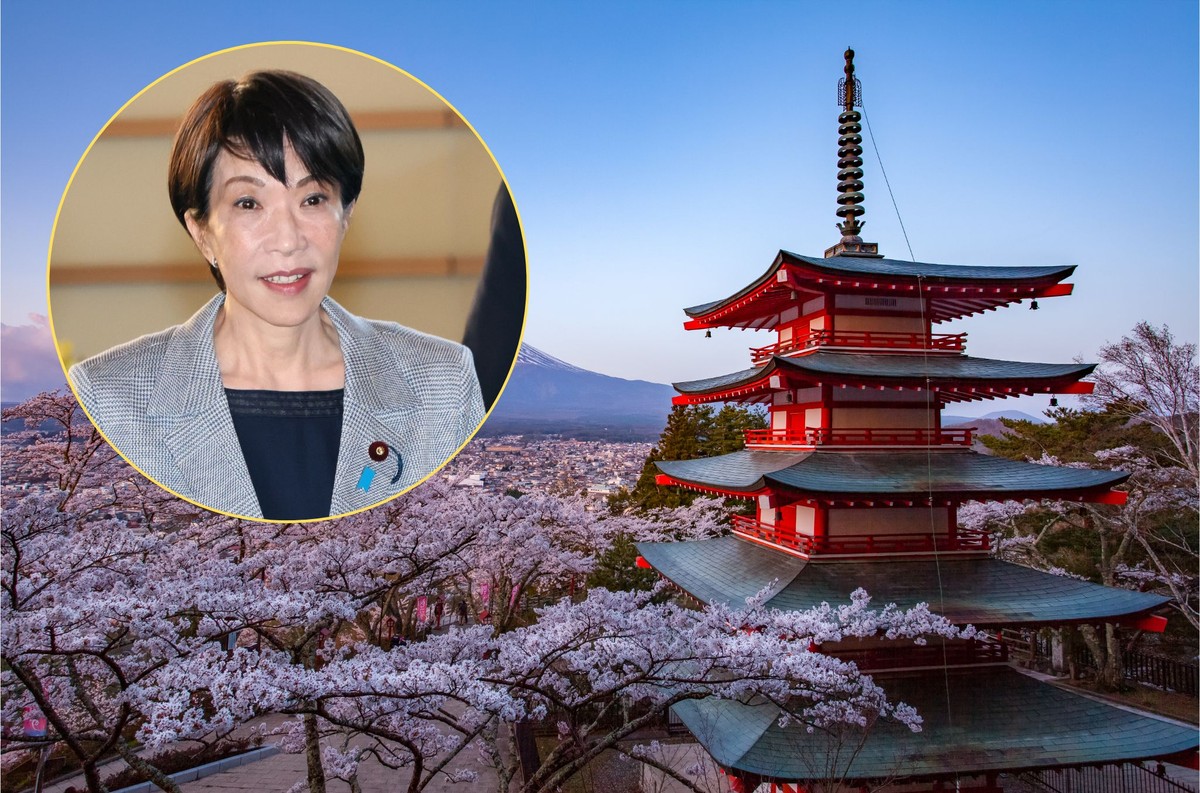
Liberal Democratic Party, led by Sanae Takaichi, has a chance to win from 274 to 328 seats in the 465-seat lower house.
The rest of the article below the video:
That's far more than the 233 seats required for self-rule, according to public broadcaster NHK.
What does this mean for the Japanese economy. Experts interviewed by Reuters are optimistic about the new, old prime minister.
Good news for markets. Investors are optimistic about Sanae Takaichi
“Financial markets believe in Takaichi, and her electoral success will be a positive impulse for shares when the stock exchanges open on Monday,” noted Chris Scicluna, head of research at Daiwa Capital Markets Europe in London, quoted by Reuters.
The expert emphasized that such an advantage in parliament allows for greater fiscal stability compared to a situation where the government would have to rely on the support of the opposition.
Jesper Koll, an expert at Monex Group in Tokyo, is also optimistic about the exit poll results. He notes that such a big victory gives Takaichi a strong mandate to implement his plans.
“Takaichi got the strong mandate from the people she needed to get the LDP exactly where she wants it,” Koll says. “What will he do with this qualified majority? In economic policy, the key goal will be to promote Japanese leaders. To promote global competitiveness and national economic security, Japan needs better economies of scale“- he emphasizes.
Rong Ren Goh from Eastspring Investments in Singapore emphasizes that a strong electoral mandate means continuation of current policy. This means that we can expect a continuation of expansionary fiscal policy in the near future.
Read also: Japan in the spotlight. Markets are watching with concern
“A strong mandate strengthens expectations regarding policy continuity. This means further fiscal support, increased defense spending, as well as continued normalization of monetary policy,” he points out.
Risks and challenges. Sanae Takaichi faces many problems
However, not all experts are equally optimistic. Shoki Omori, chief strategist at Mizuho Securities, warns that the lack of clarity regarding the sources of financing new spending could increase investor concerns about the issuance of government bonds. In such a scenario, “rising bond yields and a weakening yen could trigger a negative market reaction.”
Shigeto Nagai from Oxford Economics is also concerned about the increase in the yield of Japanese bonds.
Read also: Japanese electronics for next to nothing. This is the best time for shopping
“We assume that Sanae Takaichi will continue to maintain a delicate balance between proactive fiscal policy and fiscal discipline” says Nagai. “While we believe it is determined to make the most of the fiscal space generated by inflation-driven tax revenues, we also believe that he is seriously concerned about further increases in treasury bond yields” – he explains.