Surgical Training Institute: The place of reference in Romania where the doctors in Europe learn the surgery of the present and the future, with training simulators, such as aircraft pilots

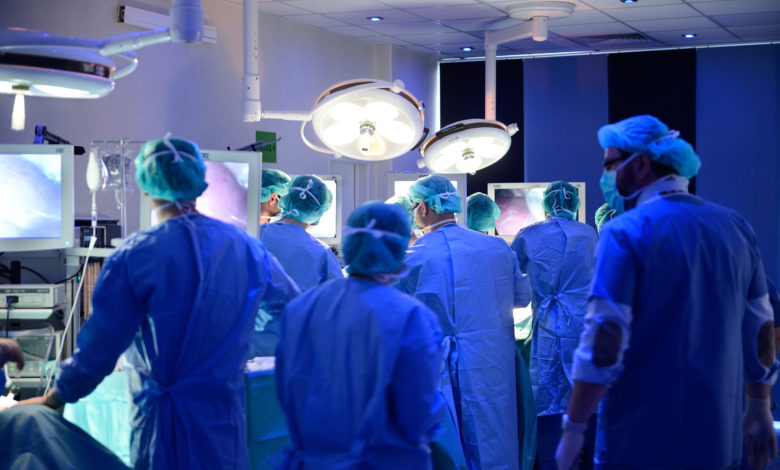
In a world where technology progresses quickly, modern surgery can no longer exist without continuous training and access to the latest equipment. Surgical training institutefounded in Bucharest, in 2011 by Prof. dr. Cătălin Copăescumedical director within Hospital Academic Ponderas Part of the Queen Maria network has become a reference center that shapes the new generations of surgeons throughout Europe. In over a decade of activity, more than 5,000 specialists from Romania and abroad have been trained here.
Format In a school in which the desire to share, to explain and educate young colleagues was pregnant and stringent, Prof. Dr. Cătălin Copăescu carried on the tradition of transmitting what he learned, after rapidly understanding the need of doctors to train permanently. Starting from the advantage of carrying out its entire activity in the private environment, thus having all the facilities, the surgeon Cătălin Copăescu set up, in 2011, under the name Delta Training Center, the first private center in Romania that aimed to train doctors in minimally invasive surgery.
“I quickly understand that having modern equipment available is not enough. Many of the colleagues who should have used these modern technologies for diagnosis and treatments were not trained for it. It is not enough to put someone in the outlet and you sit down to work with it. You need a training period ”, said Prof. Dr. Copăescu, the Surgical Training Institute (Sti) coordinator. From here the road to the Surgical Training Institute, a reference center dedicated to training in minimally invasive surgery, as well as in robotic and endoscopic interventions, was sinuous.
Simulators for surgeon training as in the case of aircraft pilots
A surgeon needs to become familiar with the new technologies before entering the operating room. It is a truth that one of the most titled Romanian surgeons recognizes in laparoscopic and robotics surgery.
“Surgeons cannot come in contact with these technologies for the first time in the operating room, with a patient on the operating table. As you are not in the hand of a plane for the first time without having passed through several hours of training at the simulator, as well as the surgeons must be trained correctly before using them in the operating room. He trains the simulator before flying, ”confessed Prof. Dr. Copăescu.
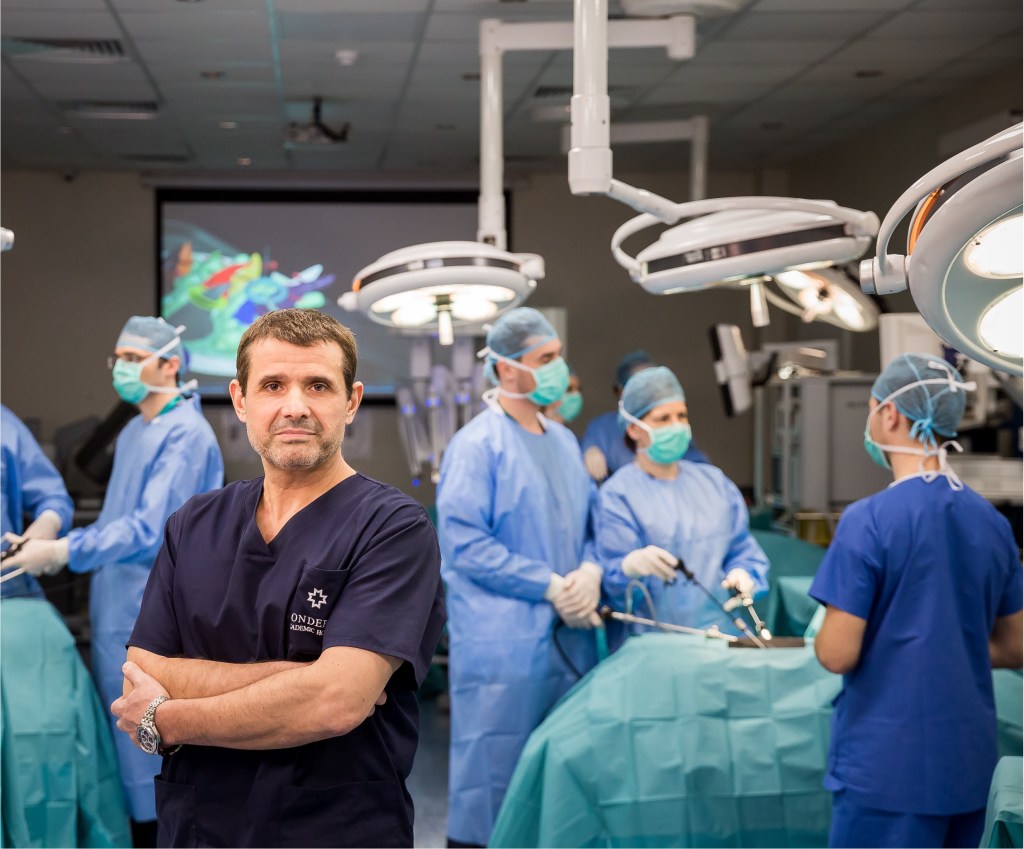
The formation is gradually structured: from computerized simulators and anatomical models, to training on functional tissues. Thus, doctors become familiar with minimally invasive techniques and robotic assisted surgery before applying them in the real operating room.
“Our surgeons do not come in contact for the first time with direct technology on the patient. At the surgical training institutes we use simulators, anatomical models and even functional tissues to create a most realistic training environment,” said the coordinator of the STI.
Training to international standards
Surgical Training Institute organizes over 20 educational programs annually, dedicated to surgeons from multiple specialties: from general surgery, gynecology, urology, ENT, to thoracic, bariatric or endoscopy.
In fact, any surgical technique and technology that can be an additional diagnostic or treatment opportunity for patients should be of interest to doctors of various specializations.
“Essential for the professional health of the surgeons is to be in permanent contact with the new technologies. Therefore, the training never ends.
The courses are in English, the language of communication internationally and each time are registered with these courses and doctors from other countries. Moreover, there are certain programs dedicated exclusively to doctors from abroad.
“There is no such center around us, which is honorable for us as a country, as a training institute, as a hospital. Doctors from the country and abroad are involved in the position of instructors. All the doctors who work in the Ponderas are experts in this training center and learn to generously share to those who are in the learning position. Copescu.
A new concept in medicine: “To train in dedicated centers”
There are already many thousands of Romanian doctors who have gone through the Training Programs from the Surgical Training Institute, currently the most interested being general surgery surgery, colorectal, thoracic surgery, gynecologists, gastroenterologists, anesthetists, surgeons who learn the technologies of florescence in infrared and urologists.
“In sports, a tennis player does not play only when he has a competition. He trains daily, several times a day. In addition, a tennis player has a coach. Why wouldn't the surgeons need to train with someone so that when the patient has to operate to be heated and to be able to provide the new patient. Medical, that is, in the real world, but to train yourself as for airplanes, as in sports, in dedicated centers, ”said the Surgical Training Institute coordinator.
The most requested are the training programs dedicated to young residents, specialists who have to be initiated in the use of these techniques in hospitals where they are to be employed.
“There are many courses requested by gynecologists. It is a pathology that is very suitable for minimally invasive, laparoscopic and newly assisted surgery. There are many courses dedicated to a very common pathology, namely hernial pathology, especially abdominal hernias, which are today the number one in the robotic operations. More in parietal surgery and we have many of the doctors who want to offer their patients these technologies ”, stressed Prof. Copescu.
The endoscopy courses are very sought after, in which surgeons and gastroenterologists are trained to pass the diagnostic stage, to the interventional stage.
“There are many courses dedicated to florescence technologies, traces, special inks for leather, mammary, digestive, genital, etc. is a recent technology, which penetrates very quickly in all specialties and for which we represented a premiere, not only for organizing courses, but also of carrying out surgery for the first time, when I have a 9 year ago. ICG guided surgical (indocyanine green) and we are proud to be able to record several dozens of centers that make such technologies, but they also need equipment and especially training, ”said Copescu.
A Romanian center, internationally recognized
Surgical Training Institute is not only a regional leader, but also a name respected internationally, proof and partnerships with prestigious European institutions.
“We are proud that Surgical Training Institute is also recognized internationally. These international collaborations ensure the alignment of training programs to the highest global standards. They are European experts who are part of the trainee group, coordinating these courses. All courses are endorsed by the European Endoscopic Surgery Association (European Association Surgery-Eaes), the most popular forum at European level, with exceptional world recognition in training and technology ”, said Prof. Copescu.
Direct benefits for patients
The surgical training impact is seen in hospitals in Romania and in the region through better trained surgeons, safer operations, less complications and faster recovery for patients.
“The investment in training of doctors is the most important investment in the future of the health of our patients. It is a direct benefit for our center, a center of excellence with multiple valences and international credentials, because you have to prepare yourself to convey to a colleague who has a professional level similar to yours, but who has a more limited experience for certain techniques,” confessed the founder and coordinator Surgical Training Institute, who considers robotic assisted surgery the surgery of the moment, of the present and the future.
Surgical training never stops. Just as in performance sport, surgeons must train constantly to be at the highest level when they are in the operating room.
Article supported by Queen Mary