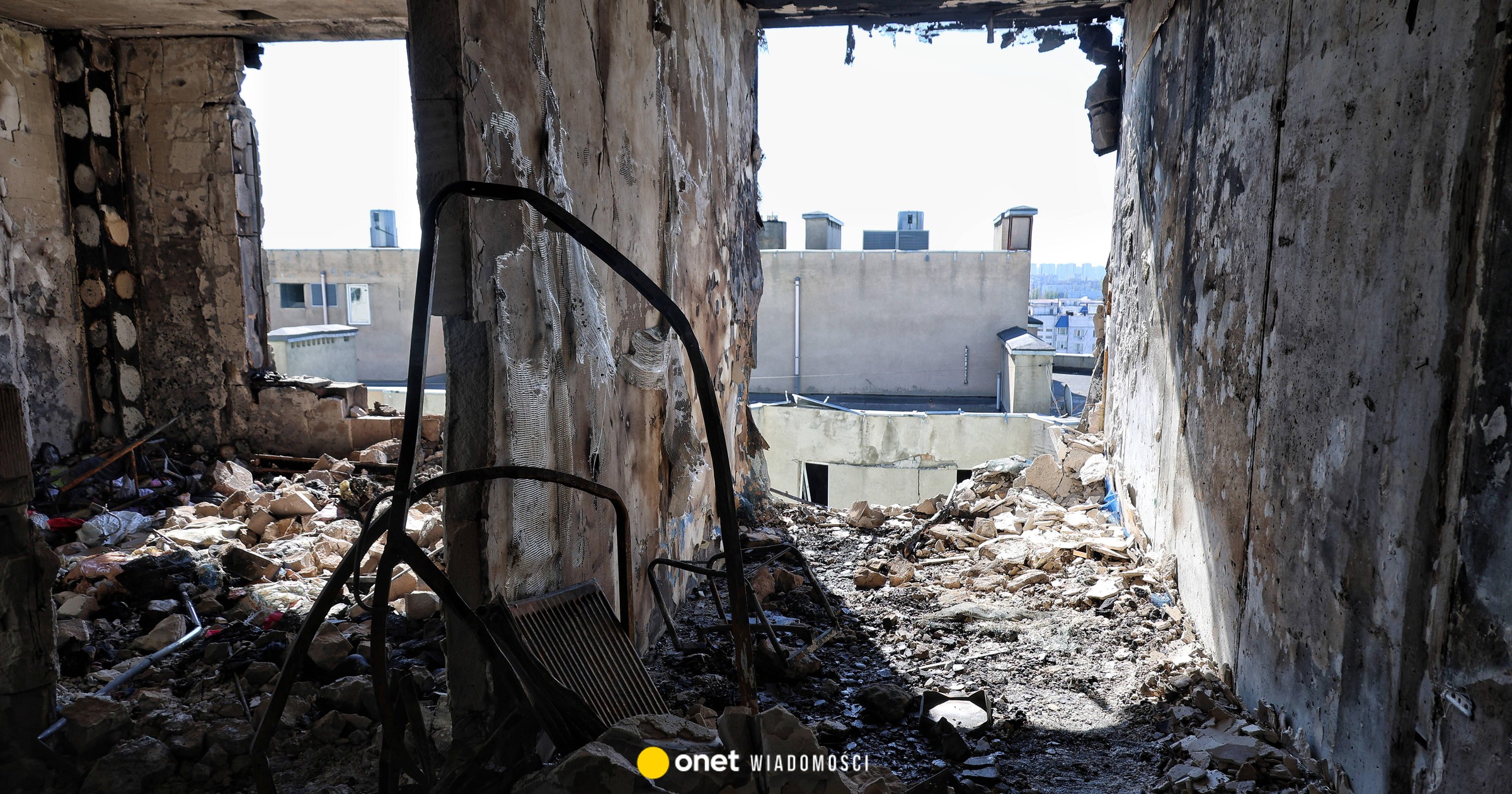
The editorial staff of “Die Welt” simulated a crisis situation. At the beginning of December, two teams competed at the Bundeswehr University in Hamburg wargamei.e. a war game: the German federal government (Blue) together with its EU and NATO allies against the Kremlin team (Red), which in a fictional scenario, he plans to invade the small Baltic member state of Lithuania. The goal of our simulation: to identify Germany's weak points in order to eliminate them and to better understand Moscow's strategic thinking.
The most important roles in both teams were entrusted to former decision-makers and military officials, politicians and experts. Only one team will achieve its strategic goals in the end.
Blue, i.e. the German government
In the role of German Chancellor: Peter Tauber (CDU)
The former CDU general secretary and former MP, as well as former secretary of state at the Ministry of Defense, plays the most important role among the Blues. As chancellor, he coordinates all activities, is the main interlocutor of the allies – and must reassure the public and give a sense of security.
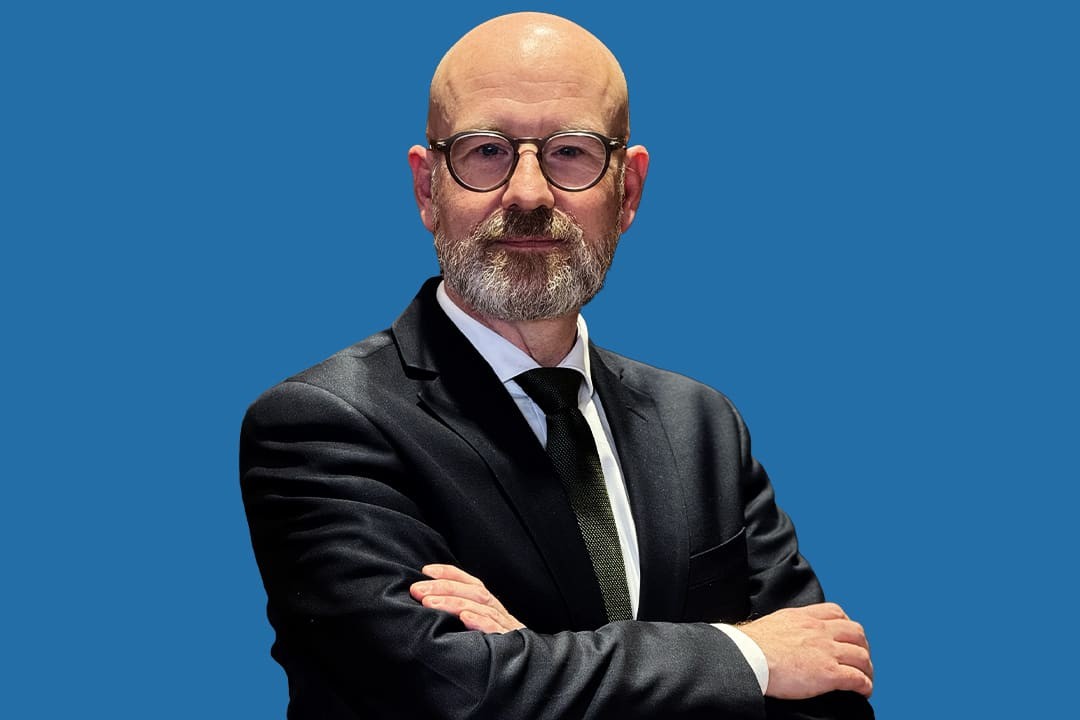
Peter TauberTobias Grabow, Dominik Schmitt / Die Welt
Tauber retired from politics in 2021 for health reasons, and a year later he founded a consulting agency in the fields of strategy and communications. He holds the rank of lieutenant colonel of the reserve in the Bundeswehr.
In the role of German Minister of Defense: Roderich Kiesewetter (CDU)
The CDU politician has been a member of the Bundestag since 2009 and is a retired Bundeswehr colonel. He represents his faction in the parliamentary foreign affairs committee, focusing on crisis prevention, the Bundeswehr and secret services.
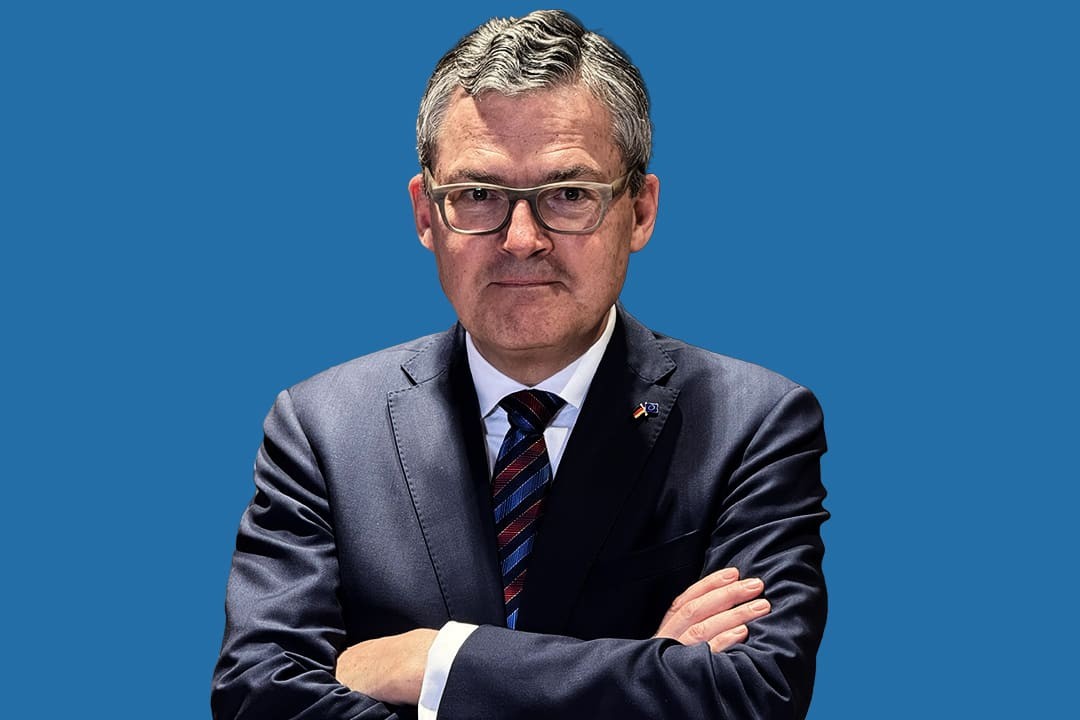
Roderich KiesewetterDominik Schmitt, Tobias Grabow / Die Welt
In our game, as a foreign policy expert, he is responsible for the role of the Minister of Defense. Together with the Inspector General of the Bundeswehr, he must ensure the combat readiness and combat capability of the German brigade in Lithuania.
In the role of German Minister of Finance: Joerg Asmussen (formerly SPD)
Economist, currently general managing director and member of the board of the Federal Association of the German Insurance Industry. Previously, he held, among others, as Secretary of State in the Ministry of Finance and Ministry of Labor and was a member of the management board of the European Central Bank.
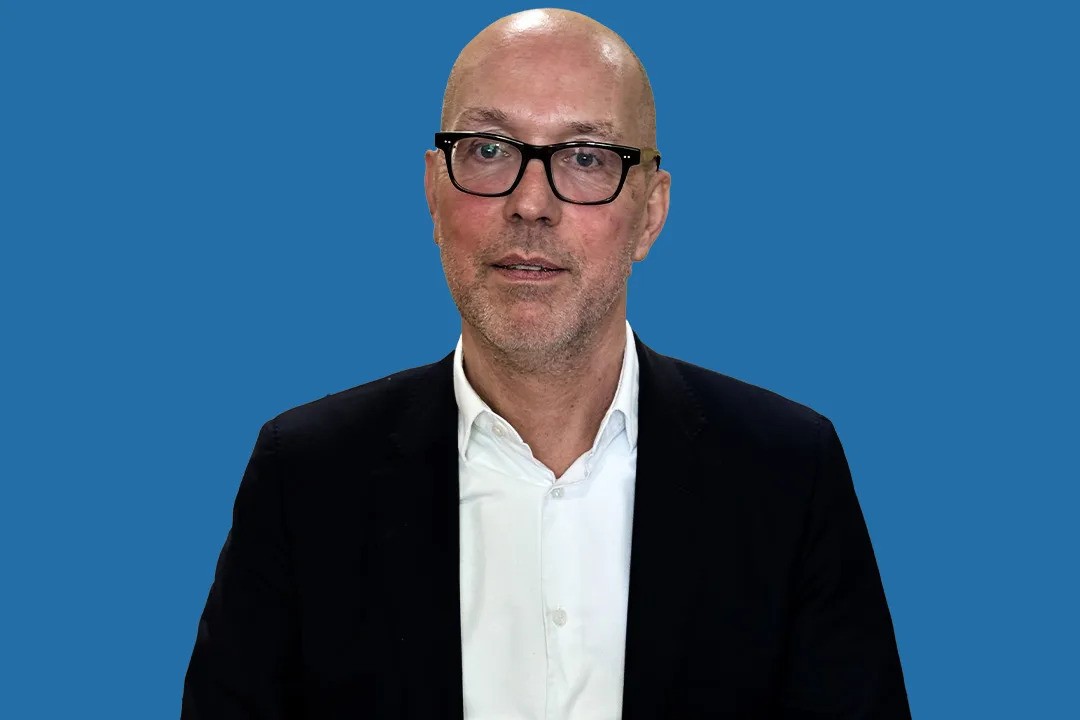
Joerg AsmussenDominik Schmitt, Tobias Grabow / Die Welt
In our game, a former SPD politician, as Minister of Finance, is struggling with a cyberattack on the infrastructure of cooperative banks, which makes Germans fear for their savings.
In the role of German Minister of Foreign Affairs: Michael Roth (SPD)
From 2013 to 2021, Michael Roth was Secretary of State for European Affairs at the German Ministry of Foreign Affairs. He served in the Bundestag for the SPD for 27 years, including several years as chairman of the foreign affairs committee – right when Russia launched a full-scale invasion of Ukraine.
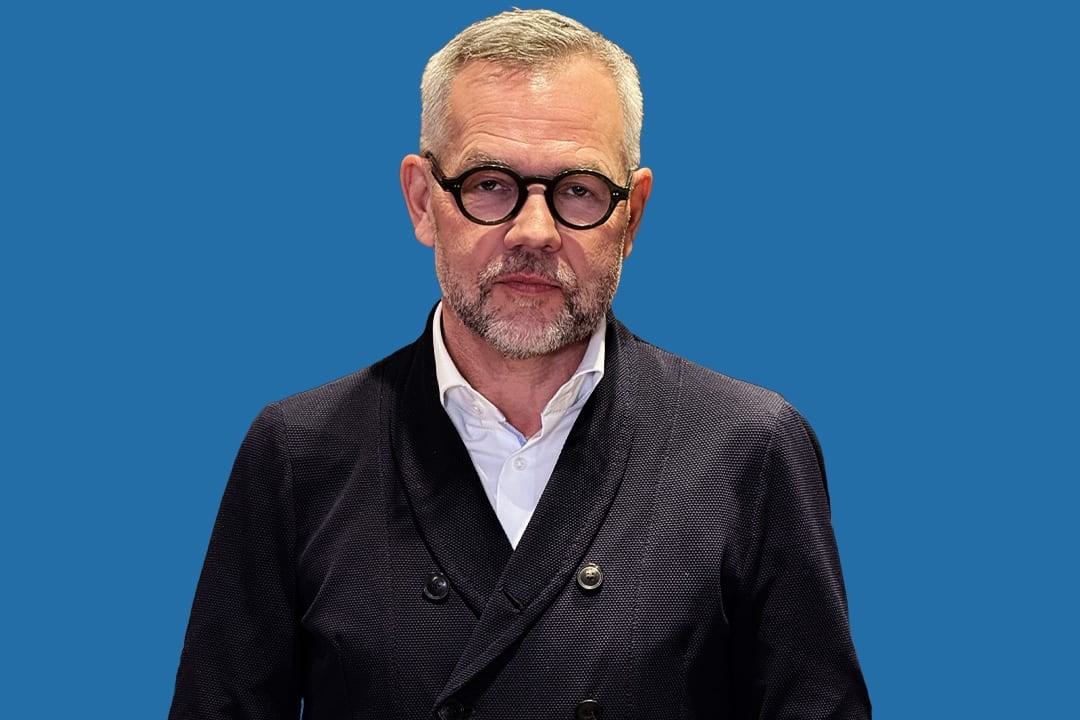
Michael RothTobias Grabow, Dominik Schmitt / Die Welt
He uses his expert knowledge of foreign policy in our game, advising the Chancellor mainly on issues related to the needs and concerns of allies.
As Minister of Internal Affairs: Irene Mihalic (Greens)
Policewoman, first secretary of the Alliance 90/Greens parliamentary faction in the Bundestag. She has represented her party in parliament since 2013 and is currently a member of the internal affairs committee.
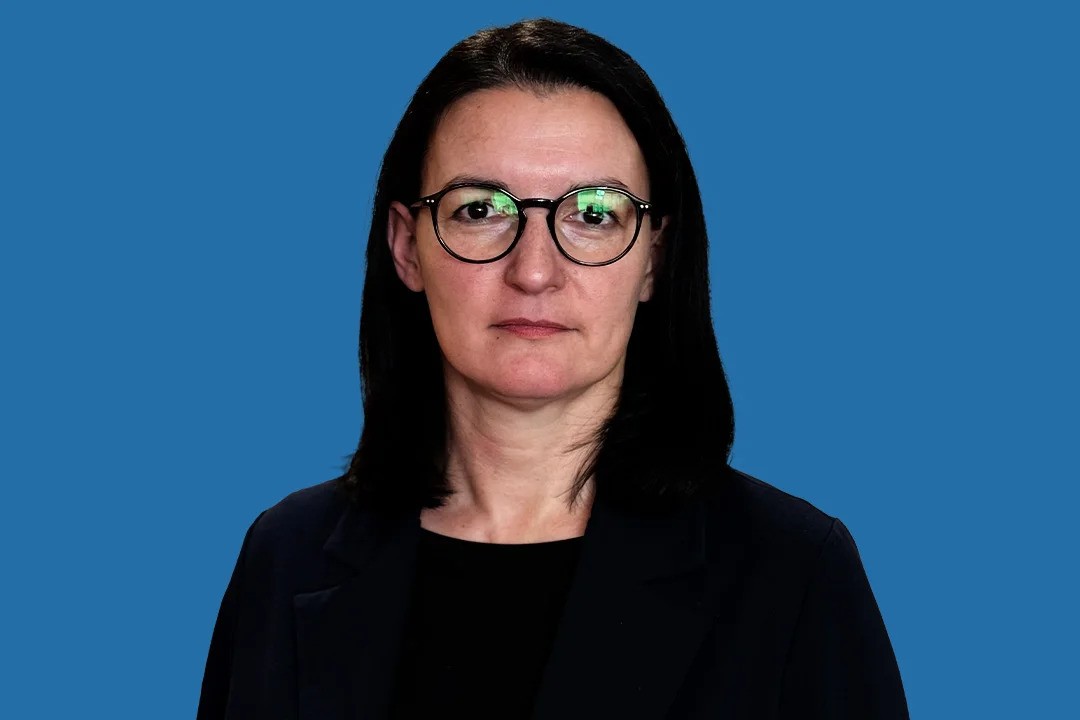
Irene MihalicTobias Grabow, Dominik Schmitt / Die Welt
As the Minister of the Interior in our game, he maintains close contact with the president of the Federal Office for Civil Protection and draws attention to the constitutional limitations resulting from the federal system of Germany.
As President of the Federal Office for Civil Protection: Christoph Unger
From 2004 to 2020, lawyer Christoph Unger headed the Federal Office for Civil Protection and Disaster Relief. In our game, he returns to his former role and immediately faces a chaotic threat.
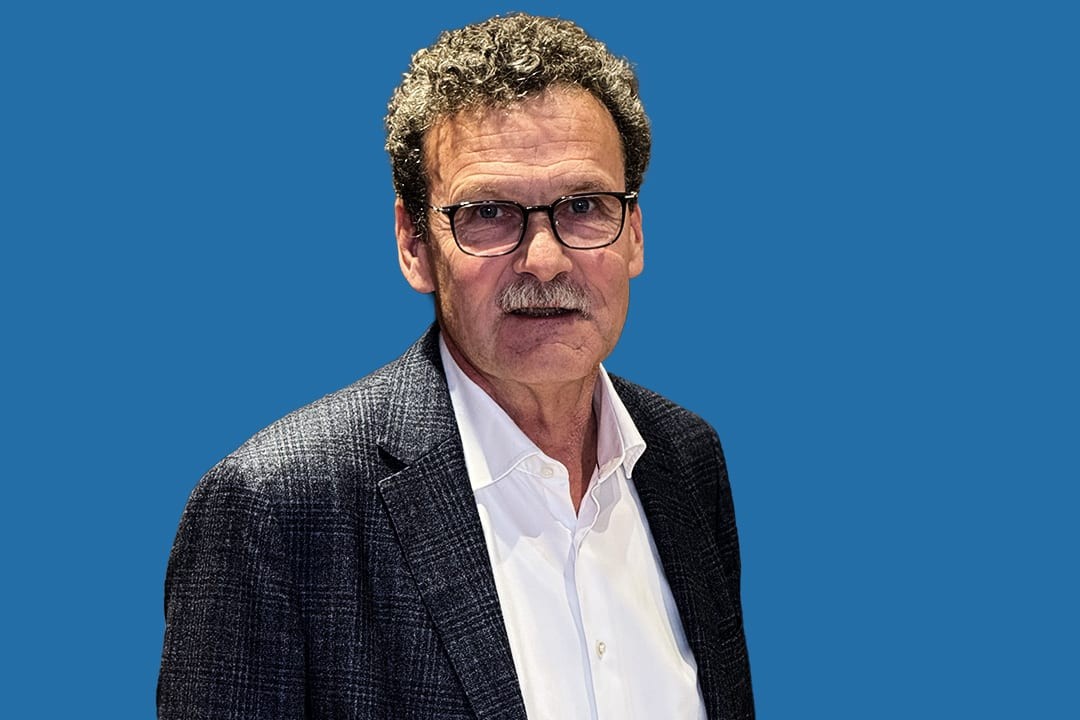
Christopher UngerDominik Schmitt, Tobias Grabow / Die Welt
The Office, as a specialized institution of the German Ministry of the Interior, coordinates all tasks related to the protection of civilians. His tasks include, among others: warning and preparing citizens for crises, conflicts and disasters.
In the role of Inspector General of the Bundeswehr: Eberhard Zorn
The retired general served as Inspector General of the Bundeswehr in the years 2018–2023, being the highest military rank in the army. It was during this period that Russia launched a full-scale invasion of Ukraine, and then-Chancellor Olaf Scholz announced a “turning point” for Germany.
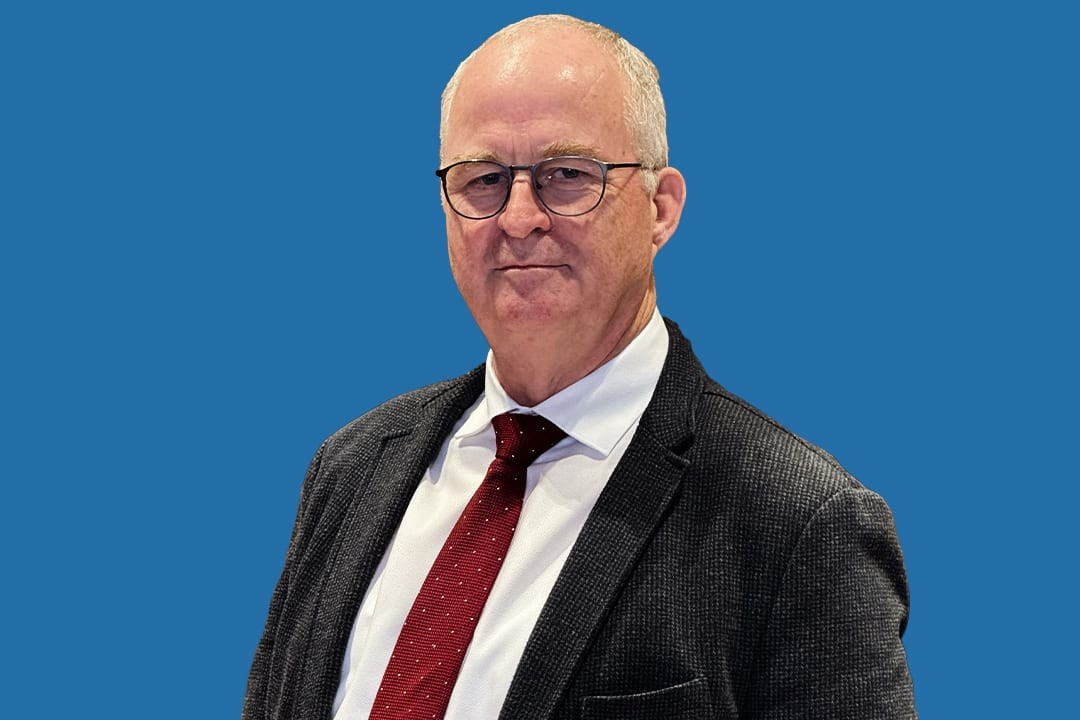
Eberhard ZornTobias Grabow, Dominik Schmitt / Die Welt
The inspector general advises the federal government on all military matters. In our game, Zorn returns to his former duties and must prepare the Chancellor and the Minister of Defense for a crisis situation.
As the head of the German services: Gerhard Conrad
In our game, a former employee of the Federal Intelligence Service (BND) plays the role of the head of Strategic Reconnaissance, the Bundeswehr's liaison for cyberspace and information matters, the BND and the Federal Office for the Protection of the Constitution.
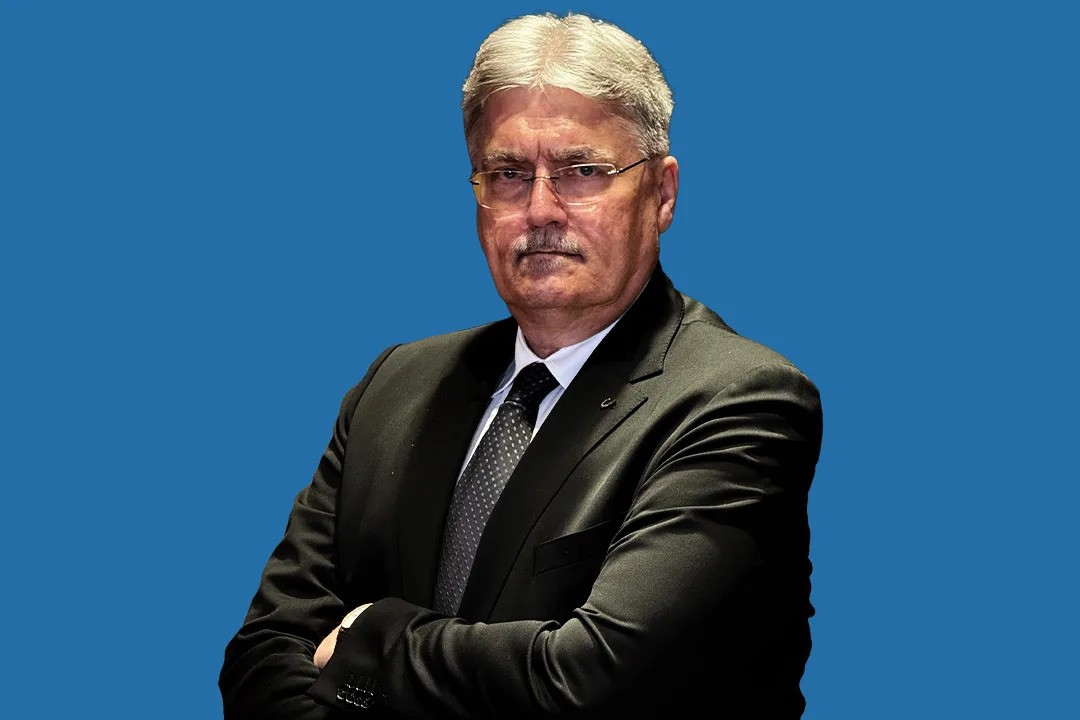
Gerhard ConradDominik Schmitt, Tobias Grabow / Die Welt
A lawyer and orientalist, he worked at BND from 1990 to 2019 and held many high positions, including managing the management staff. In our game, he must ensure that the federal government is up to date on Russia's activities – preferably before they escalate.
As the spokeswoman for the German government: Christiane Hoffmann
The journalist (“Frankfurter Allgemeine Zeitung”, “Spiegel”) was the first deputy spokesman for the government of Chancellor Olaf Scholz (SPD) in 2022-2025.
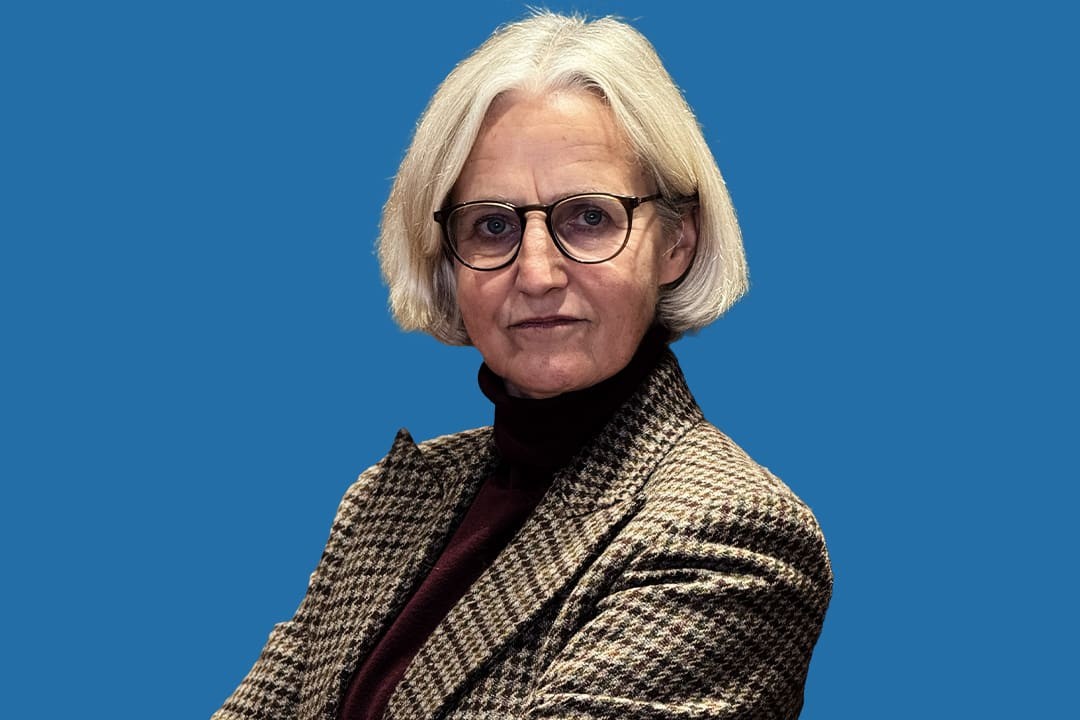
Christiane HoffmannDominik Schmitt, Tobias Grabow / Die Welt
In our game, he informs the cabinet about current reports from the German media about the impending crisis and recommends that the Chancellor deliver a televised address to the public – which the head of government does.
The Reds, i.e. the Kremlin team
As the president of Russia: Alexander Gabuyev
Russian political expert, director of the Carnegie Russia Eurasia Center in Berlin. He leads a team of analysts who previously worked at the Carnegie Moscow Center, which was closed in 2022 on the orders of the Kremlin.
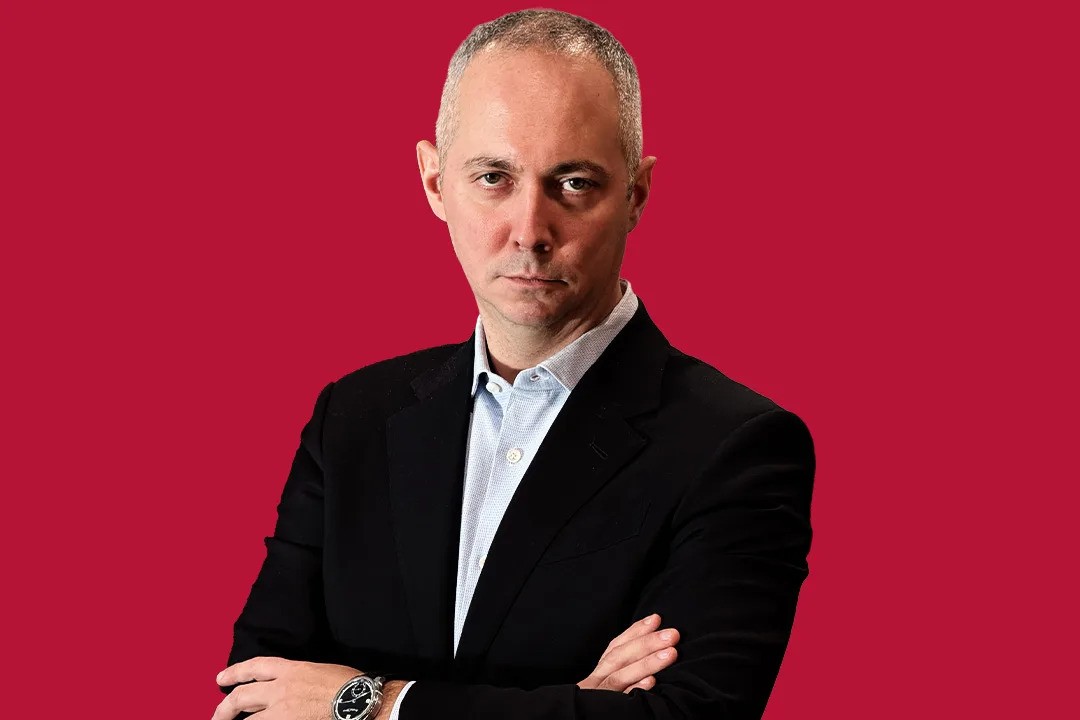
Alexander GabuevTobias Grabow, Dominik Schmitt / Die Welt
As a former reporter of the Russian daily “Kommersant”, he is considered one of the best experts on the Putin system. He reported events from inside the Kremlin. In our game, for a day he takes on the role of a character he has watched for years: Vladimir Putin.
In the role of the Chief of Staff of the Russian Army: Franz-Stefan Gady
Military analyst, security expert and political advisor. In our game, he is the mastermind behind Russian offensive plans. In his latest book, “Die Rückkehr des Krieges” (Polish: “The Return of War”), he explains how we can prepare for conflicts to avoid them.
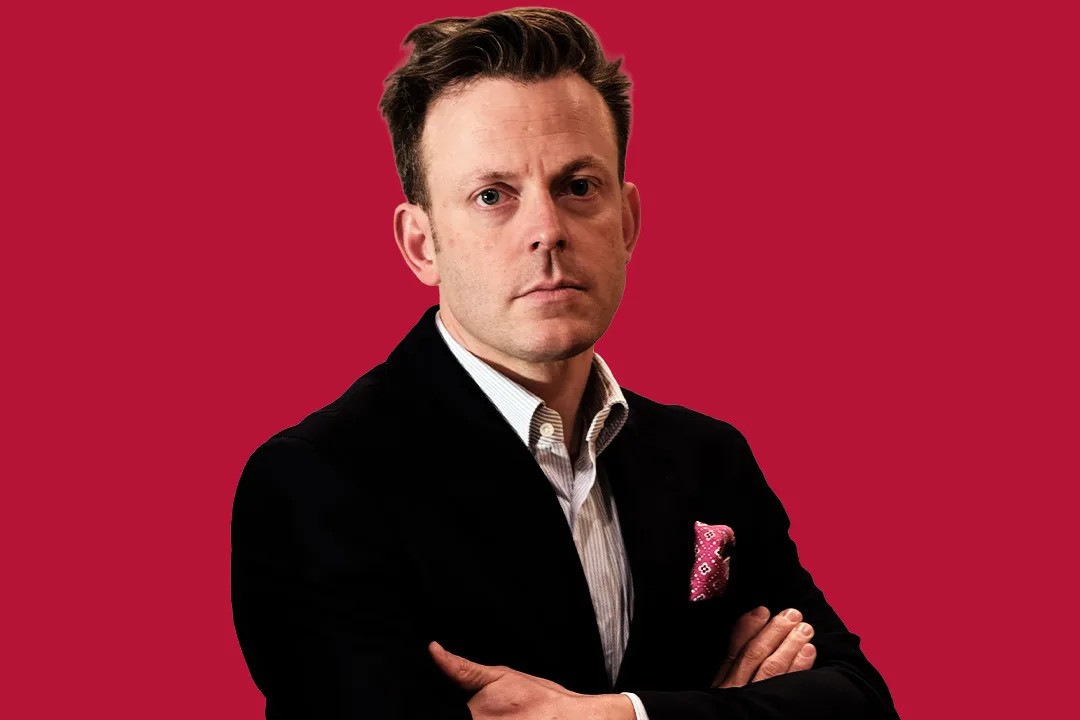
Franz-Stefan GadyDominik Schmitt, Tobias Grabow / Die Welt
Gady advises governments, armed forces and companies, and regularly travels to Ukraine for research. He is also a reserve officer in the Austrian armed forces.
In the role of Russian Minister of Foreign Affairs: Arndt Freytag von Loringhoven
Former high-ranking diplomat – including: ambassador to the Czech Republic and Poland. In 2007–2010, he was vice-president of the Federal Intelligence Service, and in 2016–2019, deputy secretary general of NATO for intelligence and security cooperation. In these roles, he learned Russian strategy in-depth.
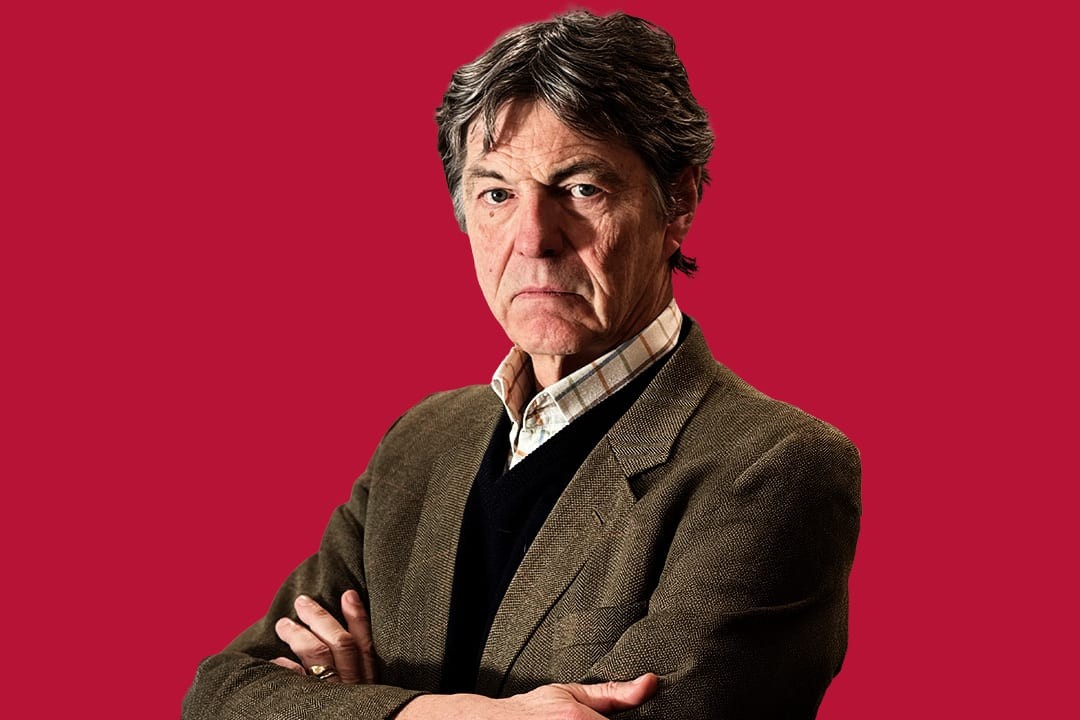
Arndt Freytag von LoringhovenDominik Schmitt, Tobias Grabow / Die Welt
Last year, his book “Putins Angriff auf Deutschland” (Polish: “Putin's attack on Germany”) was published. In our game, he uses his many years of experience in diplomacy to show the Germans how Moscow thinks.
Allies from abroad
In the role of NATO Secretary General: Oana Lungescu
As NATO's chief spokeswoman in 2010–2023, she was considered the most influential woman in the Alliance, advising two secretaries general during that time. Previously, she was a journalist and worked for the British BBC.
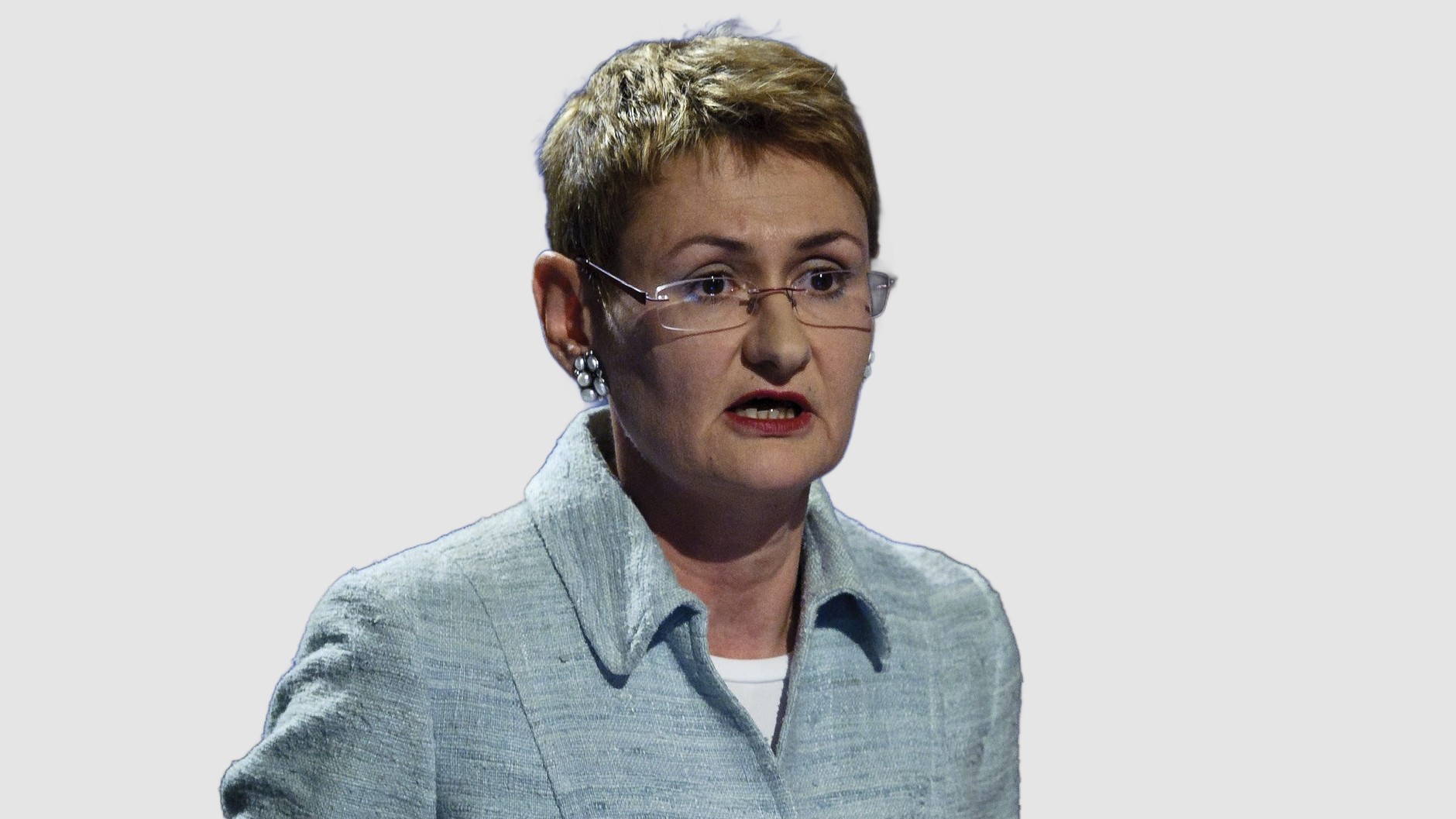
Oana LungescuPAP/Wiktor Dąbkowski / PAP
Lungescu was born in Romania – behind the Iron Curtain – where she refused to cooperate with the communist Securitate service. Our game tries to maintain NATO unity in the face of all difficulties.
As US Secretary of State: Jeff Rathke
President of the American-German Institute in Washington, formerly an American diplomat and NATO official, among others. deputy head of the office of NATO Secretary General Anders Fogh Rasmussen.
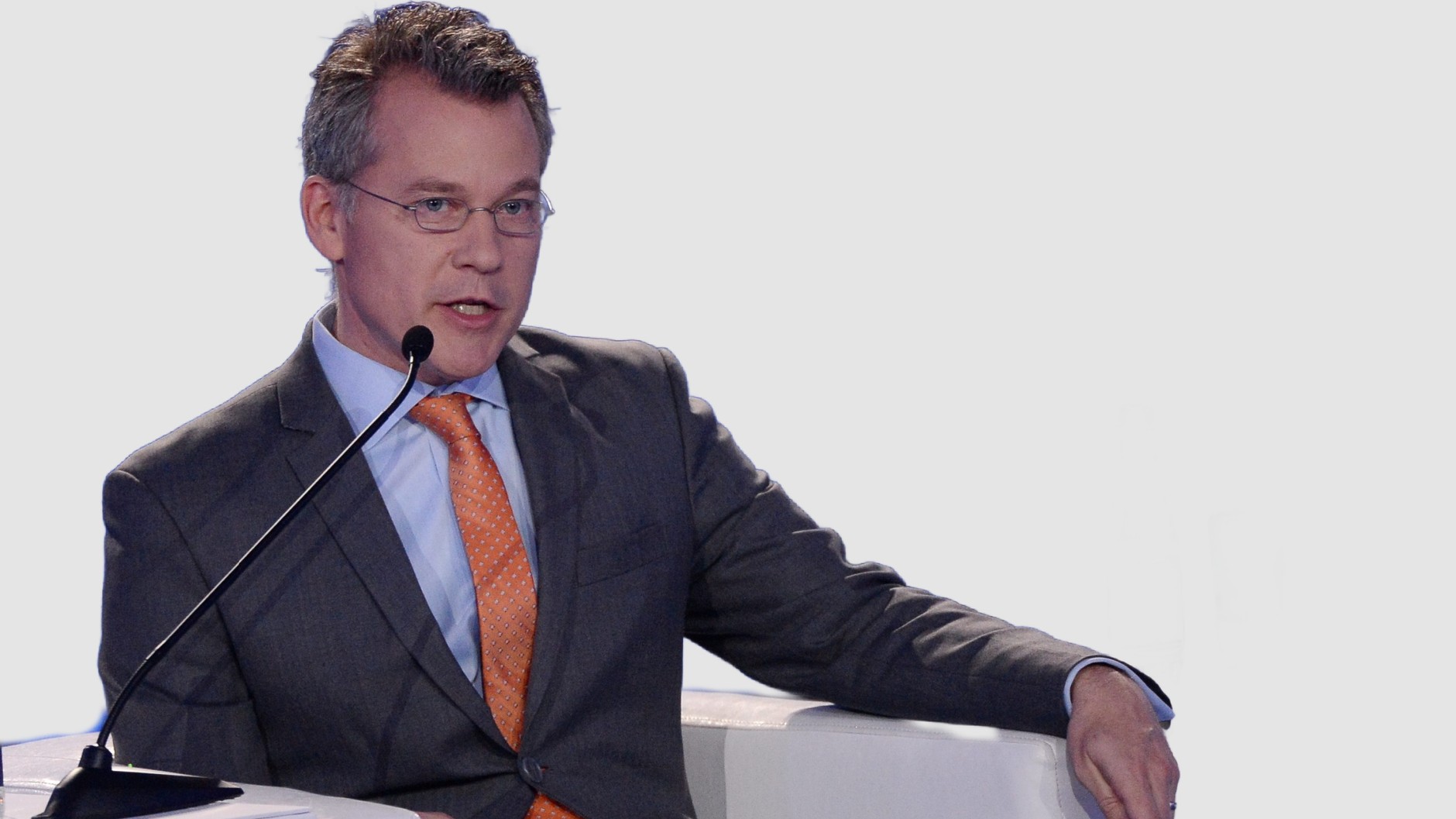
Jeff RathkeBartłomiej Zborowski / PAP
As the US Secretary of State in our game, he maintains contact with NATO allies and officially emphasizes US support – while the US president sends completely different signals. In addition, he also receives a call from the Kremlin.
As President of the European Commission: David McAllister
The CDU politician has been a member of the European Parliament in Brussels since 2014 and is the chairman of the Foreign Affairs Committee. Previously, he was Prime Minister of Lower Saxony. According to reports, after the Bundestag elections in 2025, he rejected an offer to become Minister of Foreign Affairs in Berlin.
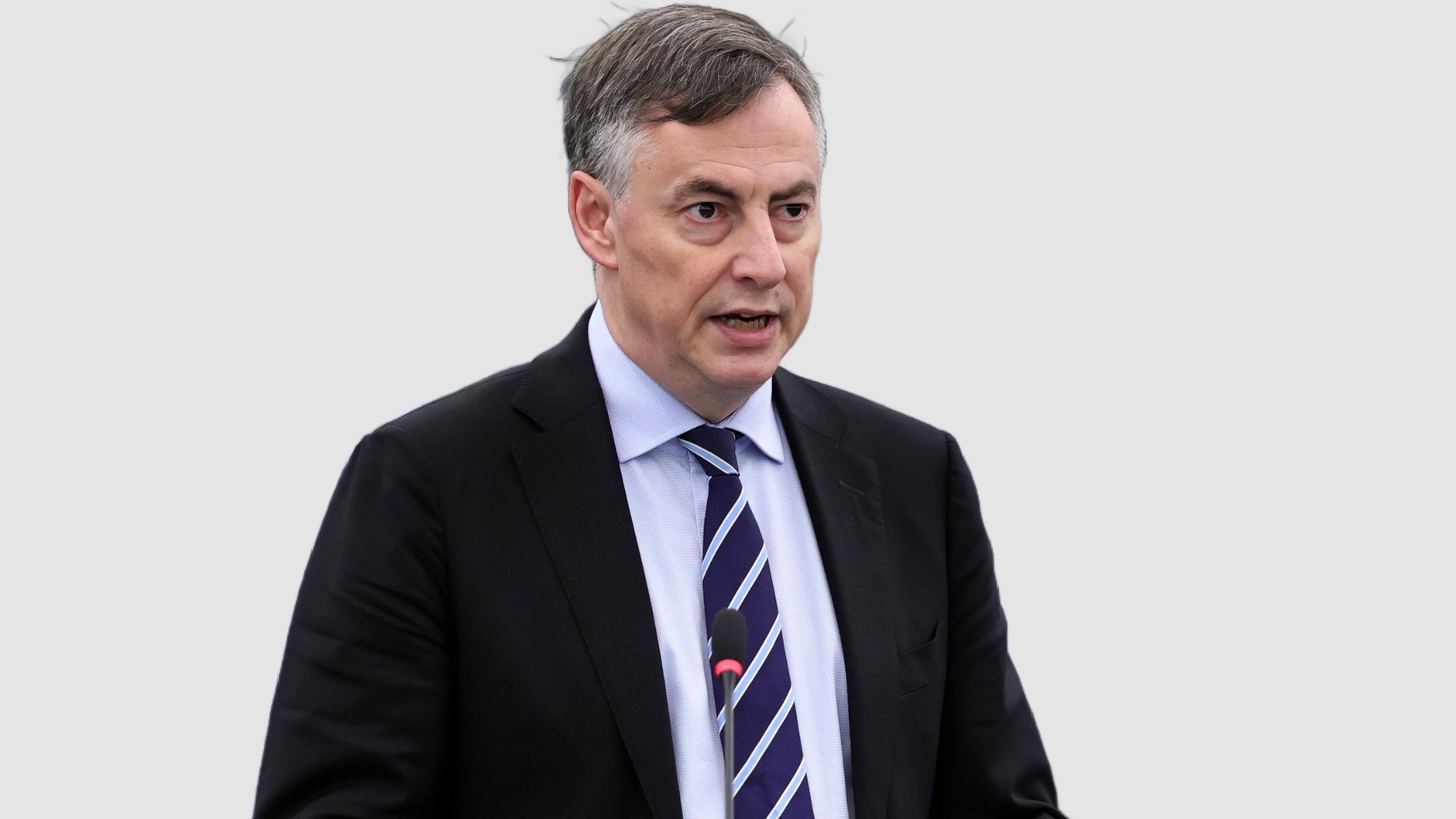
David McAllisterEPA/Ronald Wittek/PAP
McAllister has German and British citizenship. In our game, as the president of the European Commission, he mainly deals with how the European Union should respond to another Russian aggression.
In the role of Polish Prime Minister: Bartłomiej Kot
Expert in think tanks dealing with security. Currently director of the Warsaw office of the Aspen Institute Central Europe, previously program director of the Warsaw Security Forum.
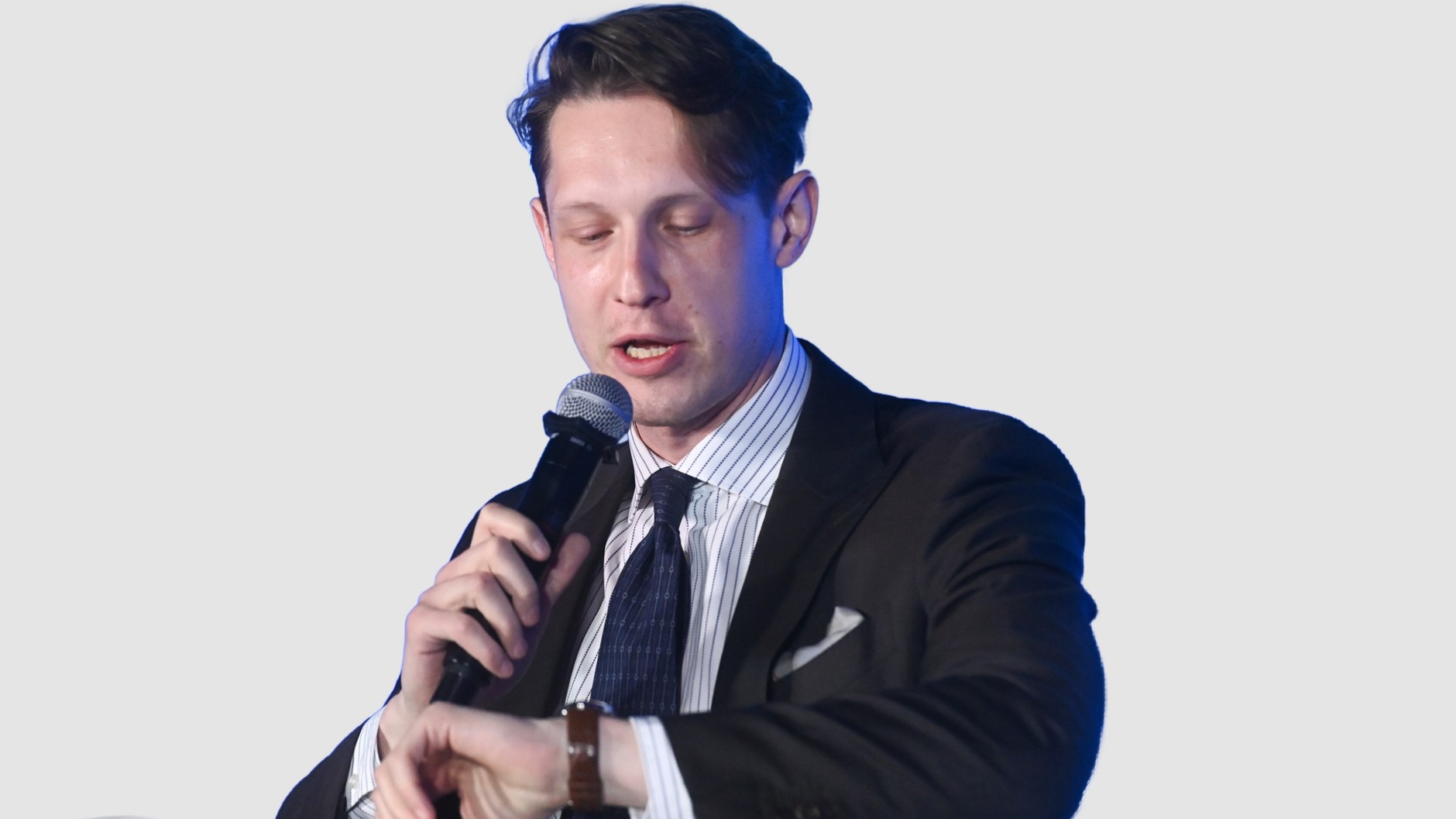
Bartłomiej KotPiotr Nowak / PAP
In the game, as the Prime Minister of Poland, he presents his country's position towards the new situation in Europe – and therefore towards the escalation very close to the borders of a country that is treated as a NATO front country.