European Union countries have authorized their warships in the Mediterranean to detain foreign tankers suspected of carrying Russian oil. This was announced by the head of the diplomatic service of the European Union, Kaja Kallas, upon arriving at a meeting of EU defense ministers.
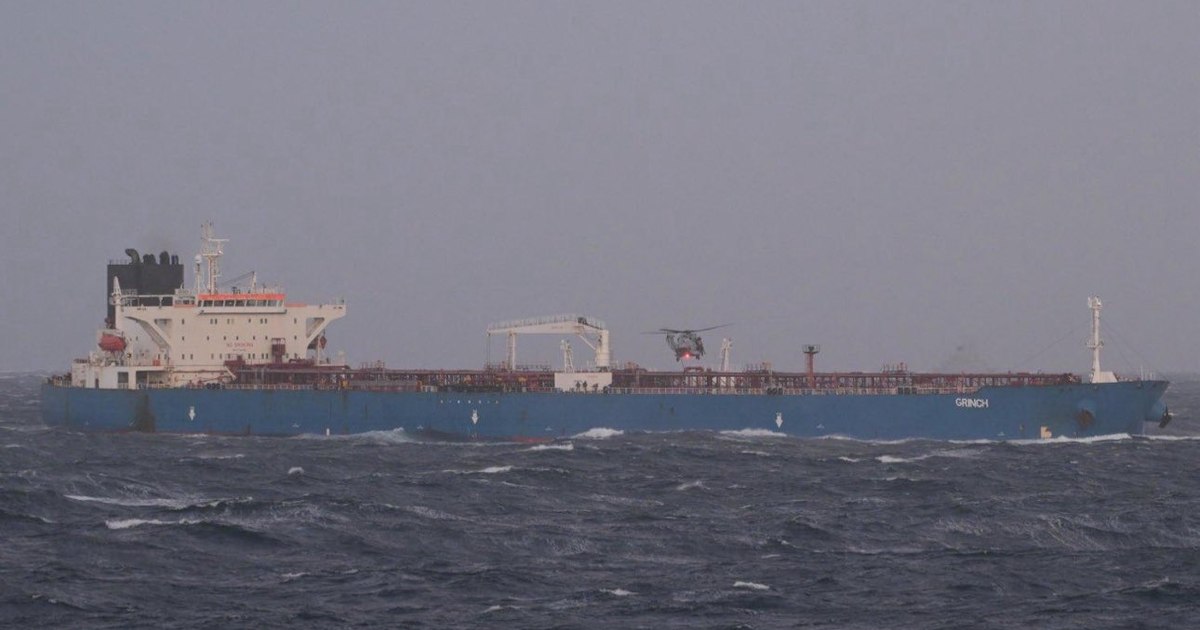
Russian oil tanker PHOTO: X
Kallas clarified that the detentions are authorized under the EU naval force's Operation IRINI. “Our IRINI operation has changed the rules of engagement and will now start detaining vessels. The idea is to use best practices from different countries in Europe“, she explained.
The EU's IRINI operation was deployed in the Mediterranean Sea in 2020 to inspect commercial ships in order to prevent illegal arms shipments to Libya, writes Mediafax.
In the spring, oil companies associated with Western companies began to reduce their activity in the Russian oil shipping market following the adoption of the 20th EU sanctions package. It included a “base” for the imposition of a ban on the provision of maritime transport services of Russian petroleum products, which will be implemented in coordination with the G7.
Military ships of EU member states, particularly those of the French Navy (with the support of UK intelligence services), are conducting operations on the high seas, using elite troops parachuted from helicopters to seize control of suspicious vessels.
Oil tankers on EU, US or UK sanctions lists are targeted, often using false flags (such as Comoros or Mozambique) and opaque ownership structures to transport Russian crude.
So far, the internationally sanctioned Oil Tanker MT Grinch has been intercepted in the western Mediterranean (between Spain and Morocco) and diverted by the French naval forces for detailed investigations.
And the Deyna tanker, suspected of using a false flag while sailing from the Russian port of Murmansk, was similarly detained in the Mediterranean.
The pressure exerted by Ukraine and Western allies led the EU to move from purely diplomatic or financial sanctions to physical blockade measures, directly on European sea routes. Many of the ships in the “shadow fleet” are old, poorly maintained and sail without valid insurance. Recent incidents, such as that of the Russian oil tanker Arctic Metagaz left adrift in the Mediterranean after explosions, have alerted the European Commission to the imminent risk of an environmental catastrophe at Europe's gates.
Moscow categorized these actions as “acts of piracy” and a flagrant violation of international freedom of navigation law.In direct response, Russia began occasionally escorting its merchant ships and oil tankers with its own warships and submarines in European waters to deter seizures.