Article by Roxana Fleşeru – Published Sunday, December 14, 2025 6:15 p.m. / Updated Sunday, December 14, 2025 6:33 p.m.
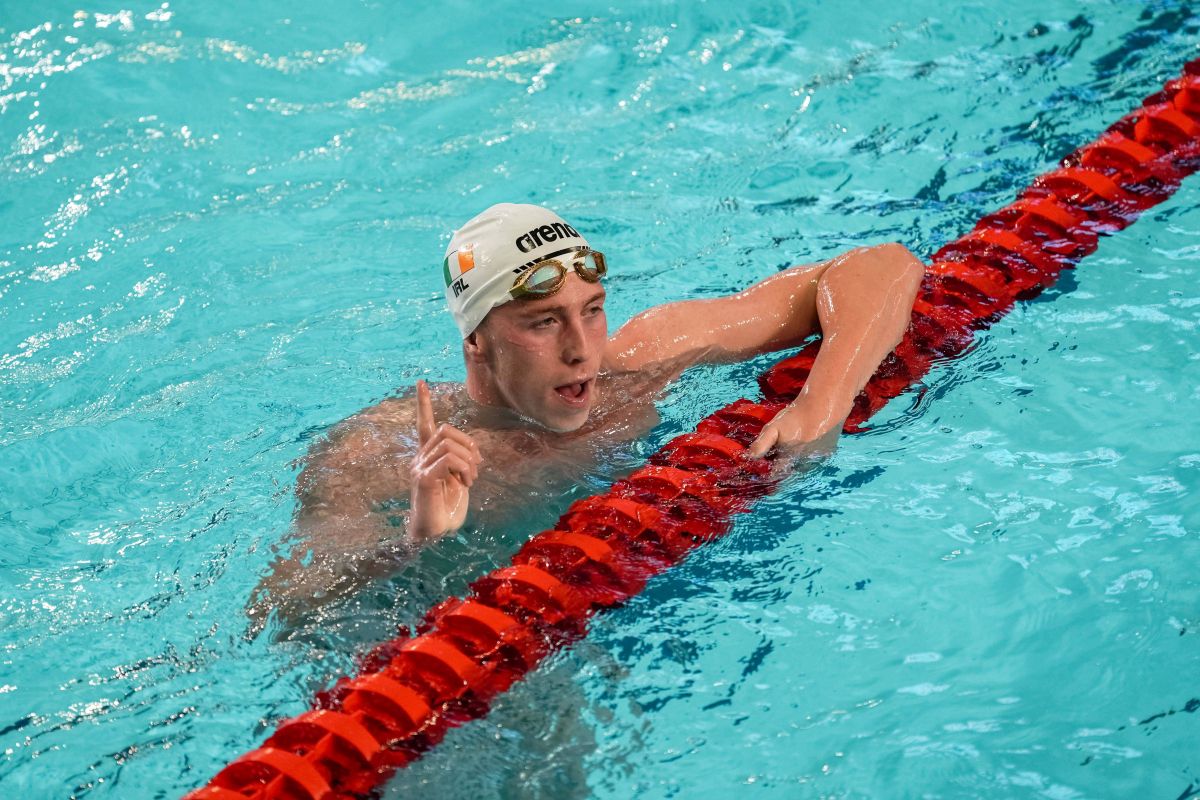
Irishman Daniel Wiffen (24), Olympic, World and European long-distance champion, expressed his disapproval of the Enhanced Games.
Daniel Wiffen is one of the best swimmers of the moment in long events. Back home in Ireland, he spoke about the Enhanced Games after Max McCusker became the second compatriot to join the controversial competition after Shane Ryan.
“To me, that's not swimming. It's like a different organization. Swimmers do it for the money, and you can understand why. There's just not enough money in our sport. But morally, I don't think it's right for people to dope just for a paycheck. After all, you're risking your health. It's something I would never participate in and probably never watch.”said Wiffen, gold medalist in the 1500m at the recently concluded European Short Course Championships, quoted by the Irish Times.
Max McCusker, 26, competed at the Paris Olympics and is the Irish national record holder in the 100m butterfly. Wiffen knew nothing of McCusker's decision to join Enhanced Games.
This competition will take place in Las Vegas next May, with swimming, athletics and weightlifting events, offering a $1 million bonus for any athlete who breaks the world record in the 100m track sprint and its equivalent in the pool, the 50m freestyle.
Three-time Olympian Shane Ryan openly admitted that one of the main reasons he signed up for the Enhanced Games was money.
Any athlete entered will receive an entry fee, and each individual event will have a total prize pool of $500,000, with $250,000 awarded for first place.
Wiffen admitted that the funds made available to Irish swimmers are not always enough: “I have the luck of being an Olympic champion, so I benefit from sponsorship and receive the maximum funding from the state, 40,000 euros. But younger athletes such as John Shortt, European 200m backstroke champion in Lublin, and Evan Bailey, 200m backstroke bronze, are not funded. The parents of these boys pay for them to be able to swim“, pointed out Wiffen.
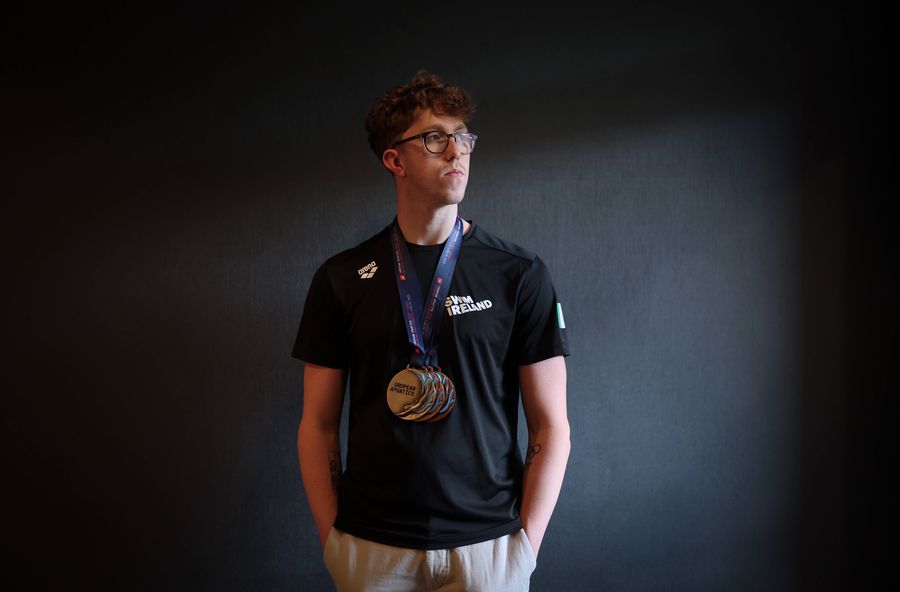
He added: “It's crazy to me. I was in the same situation. It took me until after the Tokyo Olympics to get funding. It's ridiculous to be honest. How come they're not getting funding when they're winning European medals? 40,000 euros should be the minimum, in my opinion. It is also one of the downsides of our performance sport funding system that it rewards achievement rather than potential. Another aspect is that we are also taxed on funding. In the UK, you are not taxed on funding. So even if I get 40,000, I don't get 40,000. I actually get 30,000. That's how the system works,” said the Olympic champion in the 1500m freestyle.
Daniel Wiffen: “I don't swim for money”
The Irishman recently moved to California to train and aims to win the 400m, 800m and 1500m freestyle at the Los Angeles Olympics.
“I also want to start a winning streak. I don't think about the past anymore, I haven't taken out my Olympic medals for about a year. As soon as I do something good, I can get over it. I am 24 years old, the maximum age for swimming is 28 years old. But I don't swim for money. I don't swim for medals. I swim because I like it. I also love the reaction of my parents, who took me to the pool when I was seven and now see me winning medals at the OlympicsWiffen said.
2 Olympic medalshas Daniel Wiffen in his records, a gold in the 1500m and a bronze in the 800m freestyle
One catchment per 81,053 inhabitants in Ireland
Daniel Wiffen was in front of Irish journalists alongside officials from his country's swimming federation to present the results of a report on the number of pools in the country.
The Pool Deficiency Analysis Report revealed several significant issues. Sarah Keane, chief executive of Swim Ireland, pointed out that in the Republic of Ireland there is only one public pool for every 81,053 inhabitants – a dramatic gap to international best practice – and that 57% of pools are in hotels, further limiting accessibility.
“This report is a wake-up call. It exposes the systemic challenges facing our swimming and aquatics infrastructure and highlights the barriers preventing many Irish people from learning to swim, a life-saving skill with countless health benefits,” Keane said.
The report also presented ways to address these gaps, calling for investment in building public swimming pools, supporting accessibility for as many people as possible, a defined plan for switching to energy-efficient pool heating solutions and correcting serious regional imbalances.