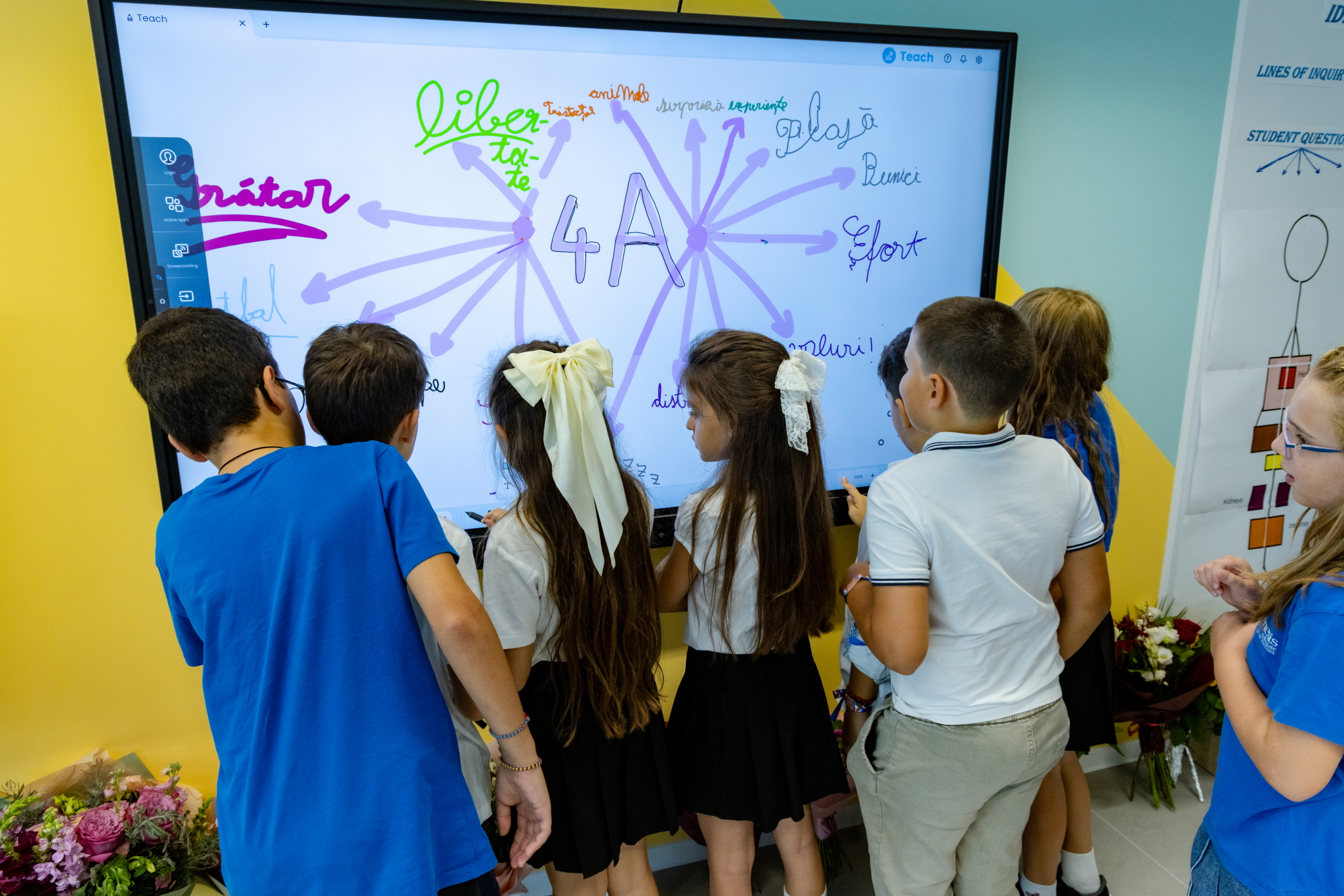
In the age of technology and information, digital education is becoming one of the most important directions of development for any modern society. In Romania, access to digital skills represents a major challenge, but also a huge opportunity.
Although it has made significant progress in the digitalization field, Romania is still below the European average according to the DESI (Digital Economy and Society Index). Among the main challenges are the unequal access to digital infrastructure, the lack of basic digital skills (only about half of Romanians have such skills) and the insufficient integration of technology in the educational process and in educational institutions.
Digital education is not just about using technology in the classroom, but a profound transformation of how students learn, collaborate and think critically. In order for schools in Romania to fully capitalize on the advantages of digitization, a coherent strategy based on three main directions is necessary:
- Teacher training – teachers must be supported to acquire modern digital and pedagogical skills through practical courses and online learning communities.
- Equitable access to digital resources – deploying IT&C infrastructure in all schools so that no student is left behind.
- Integrating digital tools into the educational process – using interactive platforms, educational applications and multimedia content to stimulate creativity, collaboration and critical thinking.
Specialists claim that the digitization of education does not only mean equipping schools with tablets and the Internet, but a change in mentality. Teachers must have access to continuous training, students must be encouraged to use technology to learn actively, and educational content must be adapted to the new digital realities.
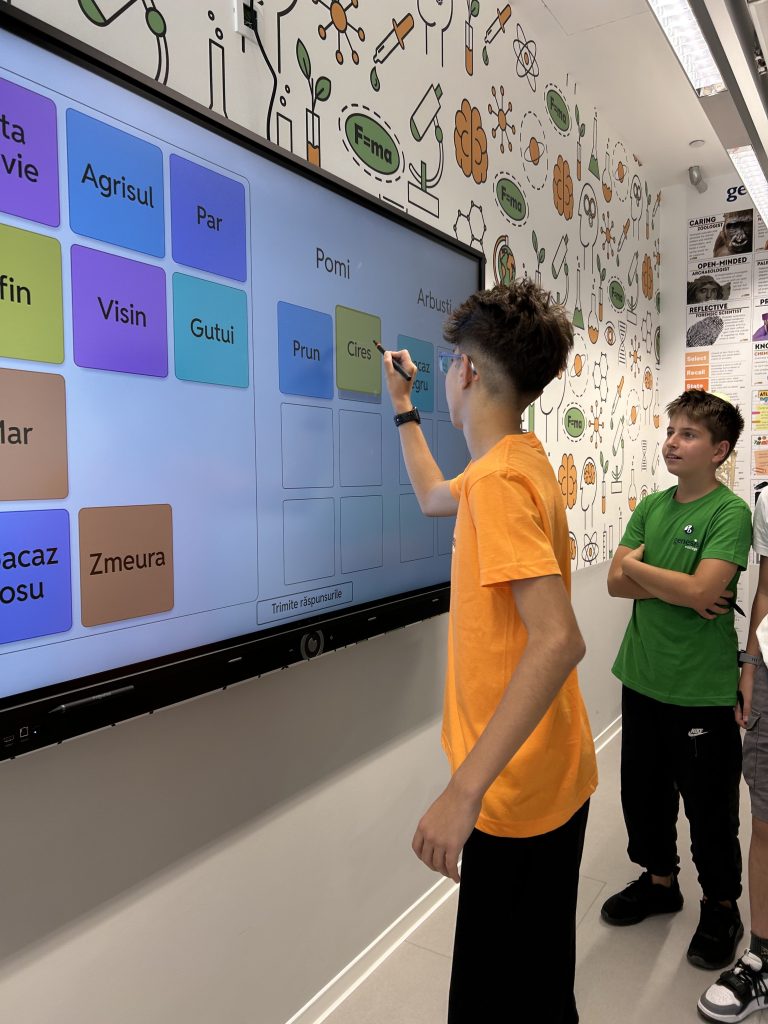
Vodafone Romania is among the actors actively contributing to such a transformation, through projects aimed at reducing digital inequalities and providing young people with the necessary tools to succeed in a modern, technology-based economy. Initiatives such as “School of the Future”, launched by the Vodafone Foundation, give teachers and students access to interactive platforms, digital labs and modern educational resources. The goal is clear: to prepare a generation capable of confidently navigating a dynamic digital environment.
Vodafone, through its technological expertise and resources, has the potential to become a catalyst for this transformation. By investing in digital education, the company not only supports the development of human capital, but also contributes directly to the modernization of Romania and the formation of a society prepared for the economy of the future.
An example in this sense is the partnership between Vodafone Romania and Genesis College, a modern educational institution, adapted to the requirements of the future, which was equipped with the latest generation digital equipment to facilitate the learning process.
Genesis College stands out for its international educational quality, preparing students for an international environment and an increasingly globalized labor market. The school emphasizes training for the future, being recognized in 2025 as one of the few institutions in Romania that develop relevant skills for the “jobs of the future”, such as critical thinking, adaptability, collaboration and digital skills. This aspect was also awarded at the Ziarul Financiar Gala 27 years with the “Special Award for trust in Romania” – an award dedicated to the way in which this institution prepares young people in Romania for the future.
In addition to classical teaching, Genesis College offers extracurricular activities and interdisciplinary projects, thus contributing to the development of practical skills and soft-skills, not just educational ones. Students also benefit from study and career counseling and guidance, through partnerships with specialized organizations, which helps them effectively plan their educational and professional futures.
Starting from these premises, the Vodafone-Genesis project was thought integrated – from the identification of optimal digital solutions, to equipment and testing, but above all the training of teachers and students, so that the technology is useful from the first days of school.
The partnership with Genesis College is transforming the way students and teachers interact with educational content, providing an intuitive experience of advanced connectivity and compatibility across multiple devices without the need for detailed technical interventions.
But above all, it translates into reality a need to adapt to current technological demands and a clear proof of the increased capacity for learning and digital adaptability that new generations can acquire, if they have access to the right tools.
In the long term, the success of digitization depends on the collaboration between companies, authorities and the educational environment. To the extent that these efforts continue at a sustained pace, Romania has a real chance to move from the status of technology consumer to that of innovator, and digital education will be the key to this transformation.
Article sponsored by Vodafone