The key role that Russia could play in negotiations for a new nuclear agreement between the US and Iran

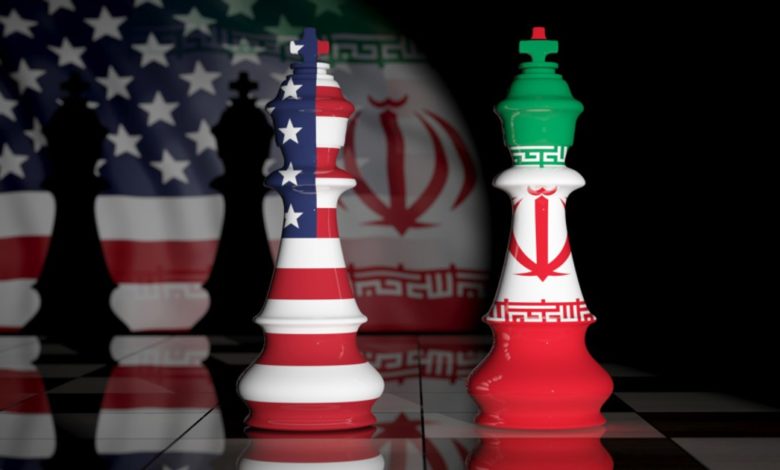
Russia could play an essential role in an agreement on the future of Iran's nuclear program, being taken into account not only as a possible destination for the strongly enriched uranium stock, but also as a possible arbitrator in the case of agreement.
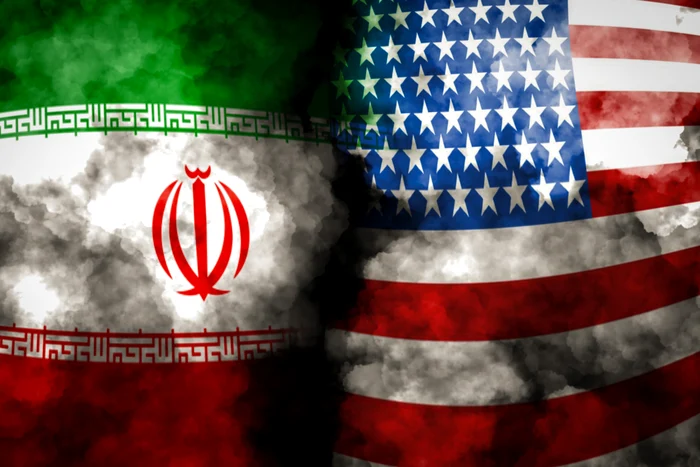
American and Iranian representatives wore negotiations at Rome Photo Shutterstock
Four hours of indirect discussions between the US and Iran, held on Saturday in Rome, under the mediation of Oman, made significant progress, according to American officials. Other technical discussions are going to take place this week in Geneva, followed by a new high -level diplomatic meeting, in Oman, The Guardian reports.
Trump's special emissary Steve Witkoff, at the center of Rome's discussions, wants to conclude an agreement within 60 days, but it is possible to have resistance from the Iranian Foreign Minister Abbas Araghchi, who believes that the high level of distrust and the technical character of the negotiations make an unlikely agreement.
Uranium stock, main obstacle in negotiations
The most difficult problems are related to the storage or destruction of the strongly enriched uranium stock of Iran and the external guarantees that can be offered to Tehran if the US would violate an agreement to raise the economic sanctions, in exchange for the return of the civil nuclear program under the external supervision of the UN inspectors.
Iran wants a guarantee that the US will bear the consequences if they retreat or violate an agreement again. Also, another requirement is related to retaining uranium stocks on its territory, but the US rejects this option and wants either their destruction or transfer to a third country, such as Russia.
Iran claims that he has received assurances that the US objective is not the complete abolition of its nuclear program. Before the discussions in Rome, an intervention of Witkoff on social networks aroused confusion in Iran and the US, as it seemed to support such a maximum position, generating dismay in Tehran. But in Rome, Witkoff understood that the message was rather intended for the American public and did not represent an official negotiation line.
What options exist for a possible agreement
Regarding the guarantees, Iran believes that the only safe understanding is a Treaty ratified by the US Congress, but Araghchi has been informed that there is no certainty that Trump could obtain such approval, given the influence of pro-Israel opinion.
Another option would be for the US to accept Iran if Washington withdraws from a future agreement. The Iranians have previously proposed the idea of a financial penalty, but the lack of a treaty makes it impossible to apply such a sanction. A third variant, in case of violation from the US, would be for Russia to receive the authority to return Iran the anteriorly transferred uranium stock – a measure that would guarantee that Iran is not punished for non -compliance.
Such an arrangement could give Russia an essential role in the US-Iran relationship and would marginalize Germany, France and the United Kingdom-the current Guarantees of the 2015 agreement. Neither the US nor Iran want to maintain a major role for the UN in this process.
Pressure on Trump to conclude
Rome was seen by some as an important location for negotiations, because, if the discussions had failed, Italian Prime Minister Giorgia Meloni has the best relations with Donald Trump and could have intervened to save the dialogue. A shy meeting proposal between Araghchi and US Vice President JD Vance, who was considered premature.
There is pressure on Witkoff and Trump to successfully conclude one of the three major negotiations involved-Iran, the Hamas-Israel conflict and the Russia-Ukraine war. A source said: “Whatever would say about Iran, they are rational actors and it is more likely to accept an agreement.”
The Iran's negotiation position was reinforced before discussions of the Saudi Minister of Defense to Tehran, to meet the Supreme leader, Ayatollah Ali Khamena.
The Ministry of Foreign Affairs of Oman said that the goal of the negotiations is to obtain “a fair, durable and mandatory agreement … to guarantee that Iran is completely free of nuclear weapons and sanctions, while keeping its right to develop nuclear energy for peaceful purposes”.