One in four Bulgarians believes that salaries and pensions will be cut in half after the changeover to the euro

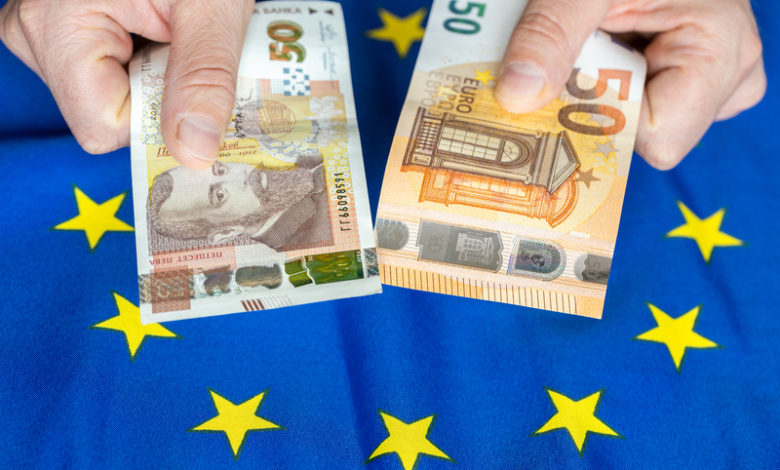
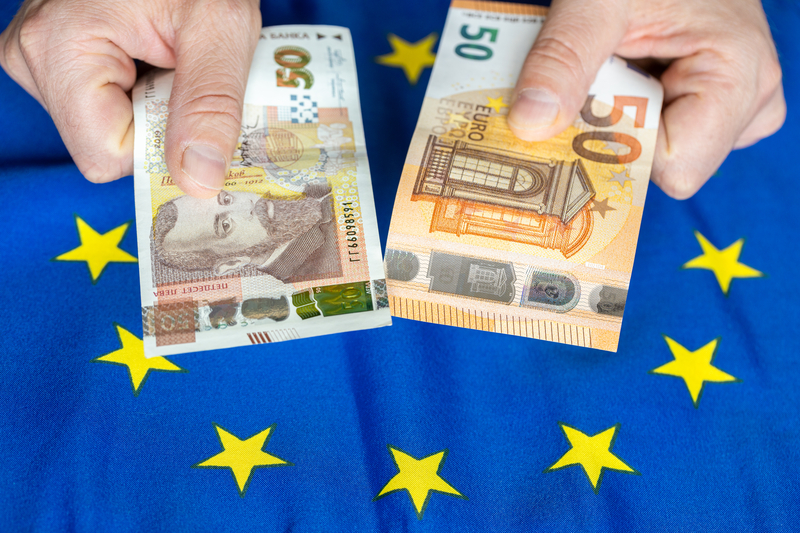
Bulgaria will adopt the euro from January 1, 2026, thus becoming the 21st country to enter the single currency area. Photo source: Dreamstime.com
A significant part of Bulgarians have become victims of the powerful hybrid war that has been going on for years against Bulgaria's accession to the euro zone, writes Sega.bg. The defeats caused by negative propaganda, based on half-truths and outright lies, are so serious that every fourth citizen/villager is convinced that on January 1, 2026, by replacing the leva with the euro, wages and pensions will be halved.
This is revealed by a national survey carried out by the JTN agency, which shows what are the trends among people related to the introduction of the single currency. Less educated Bulgarians are the most hostile to change.
Overall, society remains divided – around 40% support the introduction of the euro, with the same number against it. At the same time, most people appreciate the practical benefits – easier travel, more transparent prices, safer savings, etc. And here are the “fruits” of the propaganda theses persistently planted by parties like Renaissance: almost two-thirds believe that the leva is an important part of the Bulgarian national identity (and the leva has not been an independent currency for a long time, because since 1997 it has been linked to the mark, then to the euro).
The main concern, which is strongly encouraged again by blatant propaganda, is that the euro is to blame for rising prices (if we look at Eurostat data – in the EU, inflation is highest in countries like Hungary, Poland, Romania, which will not adopt the euro soon). The survey shows that:
– 82% of respondents believe that traders also increase prices unjustifiably;
– 78% are worried about inflation in general;
– 74% fear that prices will be “rounded up” a lot.
At the same time, Bulgarians accept the currency change quite rationally, without panic – they expect some difficulties, but they are convinced that they will adapt. Most believe it will take them up to three months to get used to the new euro prices. More than two-thirds of those surveyed indicate that they are already planning their budget more carefully, looking to buy goods on sale and avoiding “luxury” ones. 12% say they will “optimize” their spending by giving up “extras” such as cigarettes, sweets and drinks.
“Bulgarians are preparing for change with realistic expectations, not a sense of crisis. They believe that the transition will be difficult, but surmountable, as long as communication from companies and institutions is honest and transparent,” the authors of the study conclude.
Material produced with the support of Rador Radio Romania