On Monday, October 27, the commander of the Sudanese army, Abdel Fattah al-Burhan, announced the withdrawal of government troops from the city of Al-Fashir, the last point of resistance of government forces in the west of the country. The general explained that the decision to leave the city was made in response to increasing acts of violence against civilians. Thus, the army wanted to protect the inhabitants and the city itself from further destruction.
The article continues below the video
How many people died in the hospital in Al-Fashir?
When did the Sudanese army withdraw from Al-Fashir?
What are the effects of the war in Sudan?
What did WHO do after the hospital executions?
According to the BBC, after the withdrawal of government troops, the Rapid Support Forces (RSF) immediately entered the city and have been fighting the government for months. Thus, the residents remaining in Al-Fashir were deprived of the opportunity to escape. Before the fighting began, it was estimated that approximately 250,000 people lived in the city. people, but this number could even double due to the influx of refugees.
According to the BBC, after the city was taken over by militias who led a siege for 18 months, fears of mass executions immediately arose. The United Nations has previously reported reports of executions, attacks on civilians trying to escape, sexual violence and home raids.
On Wednesday, October 29, WHO Director-General Tedros Adhanom Ghebreyesus announced that over 460 people were murdered in the Al-Fashir maternity hospital – patients, their relatives and medical staff. Ghebreyesus expressed deep outrage and called for an immediate ceasefire.
The war in Sudan has claimed the lives of at least 40,000 people. victims. Half the population is starving
The war in Sudan began in 2023 when the Sudanese military and the Rapid Support Forces, previously allied, faced each other. The conflict quickly escalated into a wave of massive violence, and the city of Al-Fashir was under siege for 18 months. During this time, its inhabitants fell victim to violence, disease and hunger.
According to the UN, the number of ethnic crimes in Al-Fashir has increased significantly, and the Humanitarian Research Lab of Yale University warns that satellite photos of the city show blood stains and piles of bodies of people shot in mass executions. Despite this evidence, the RSF denies accusations of killing civilians.
According to the BBC, the RSF's capture of Al-Fashir could be a turning point in the civil war. The takeover of the city gives the militants control of all five state capitals in Darfur, western Sudan, strengthening their administration, which until now operated in Nyala, the capital of South Darfur.
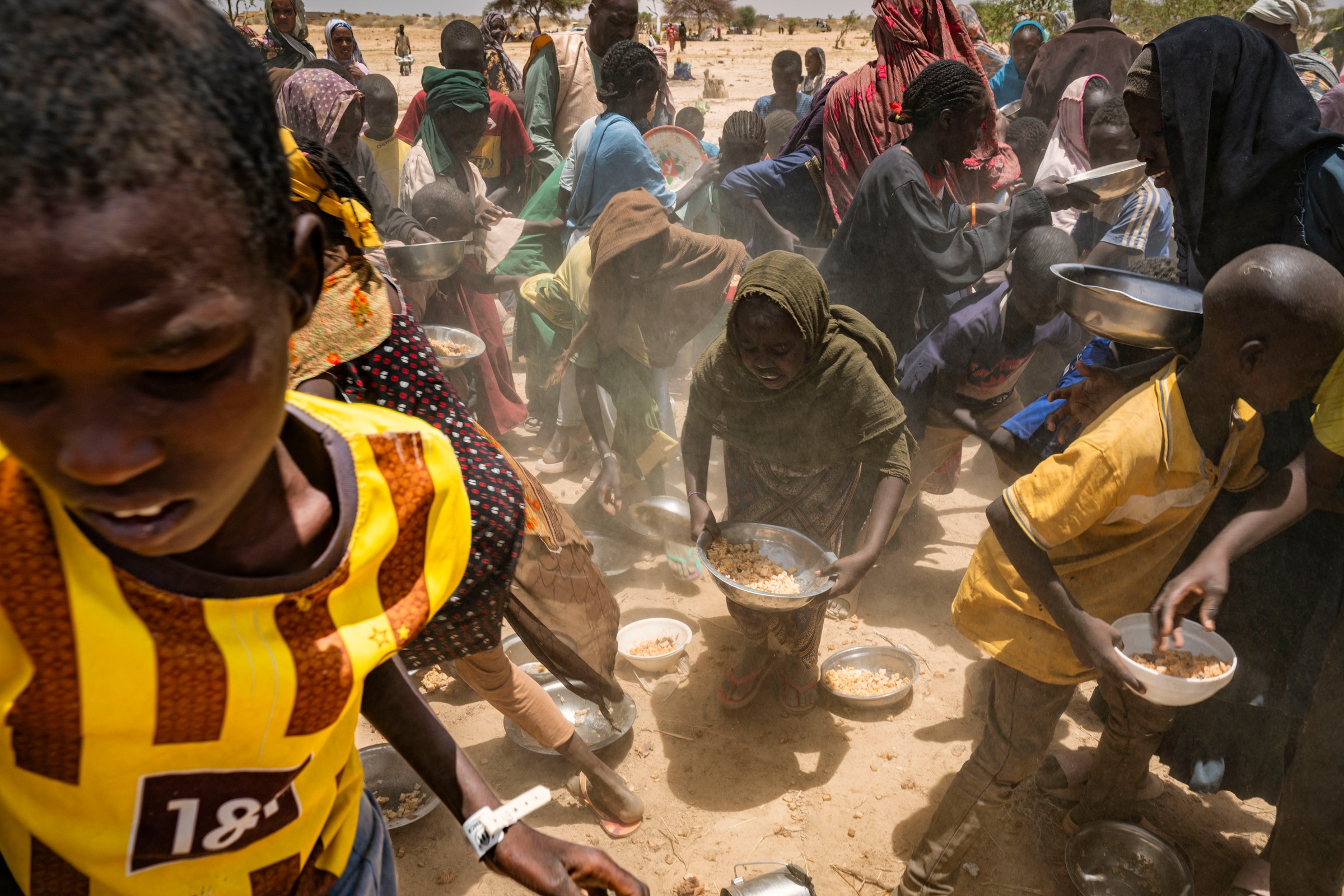
According to WHO, at least 40,000 people have died as a result of fighting in Sudan. people, although the actual number of victims may be much higher. Nearly 12 million Sudanese had to leave their homes, of which 4.2 million found refuge in neighboring countries. In September, the World Food Program reported that 24.6 million people in Sudan, or about half of the population, suffer from serious food shortages.