“Housing lottery”. Germany is facing a real estate disaster


This is one of the main conclusions of the study “Rent – an obstacle to economic growth and a factor causing social tensions in large cities?”, conducted by scientists from the ifo Institute in Munich. This work examined the effects of the extremely tense housing market situation, paying particular attention to how it limits employee mobility in metropolises, thereby harming the German economy.
“The social and economic consequences of the tense situation on the housing market are significant,” write the authors of the study. They are particularly affected by this problem low- and moderate-income households, single parents, young people and people employed in personal service professions. Rising rents threaten the mixed social structure, displace certain social groups and deepen labor shortages.
“If the lack of housing prevents people from working in cities, it itself becomes an obstacle to economic growth,” the authors conclude.
Metropolitan areas are so important for economic growth and employment, among others: because the concentration of particularly productive enterprises and skilled workers leads to knowledge exchange, innovation and productivity growth.
The article continues below the video
Demand for apartments
After years in which suburban areas, i.e. those around cities, benefited from population migration, there have recently been signs of a reversal of this trend. As knowledge and service-based activities become more important, people are moving more and more often again to big citiesdespite digitalization and the possibility of remote work.
“The increase in population in metropolises results from both demography and migration from Poland and abroad. Even greater than the increase in population is the increase in the number of households, especially single-person households, which additionally drives the demand for apartments,” say the authors of the study.
An outcome that would be positive in economic stagnation is now becoming a positive one disturbing indicator. In metropolises, employment growth exceeds population growth. As additional workers need housing, demand pressure is increasing on urban housing markets – and this will continue through 2045, the study shows.
Due to the fact that labor markets in large cities are dynamic and tenant turnover is high, it is even more important to the rents were affordableespecially for newcomers. However, regulations aimed at reducing housing costs are almost exclusively used by people who already own a flat.
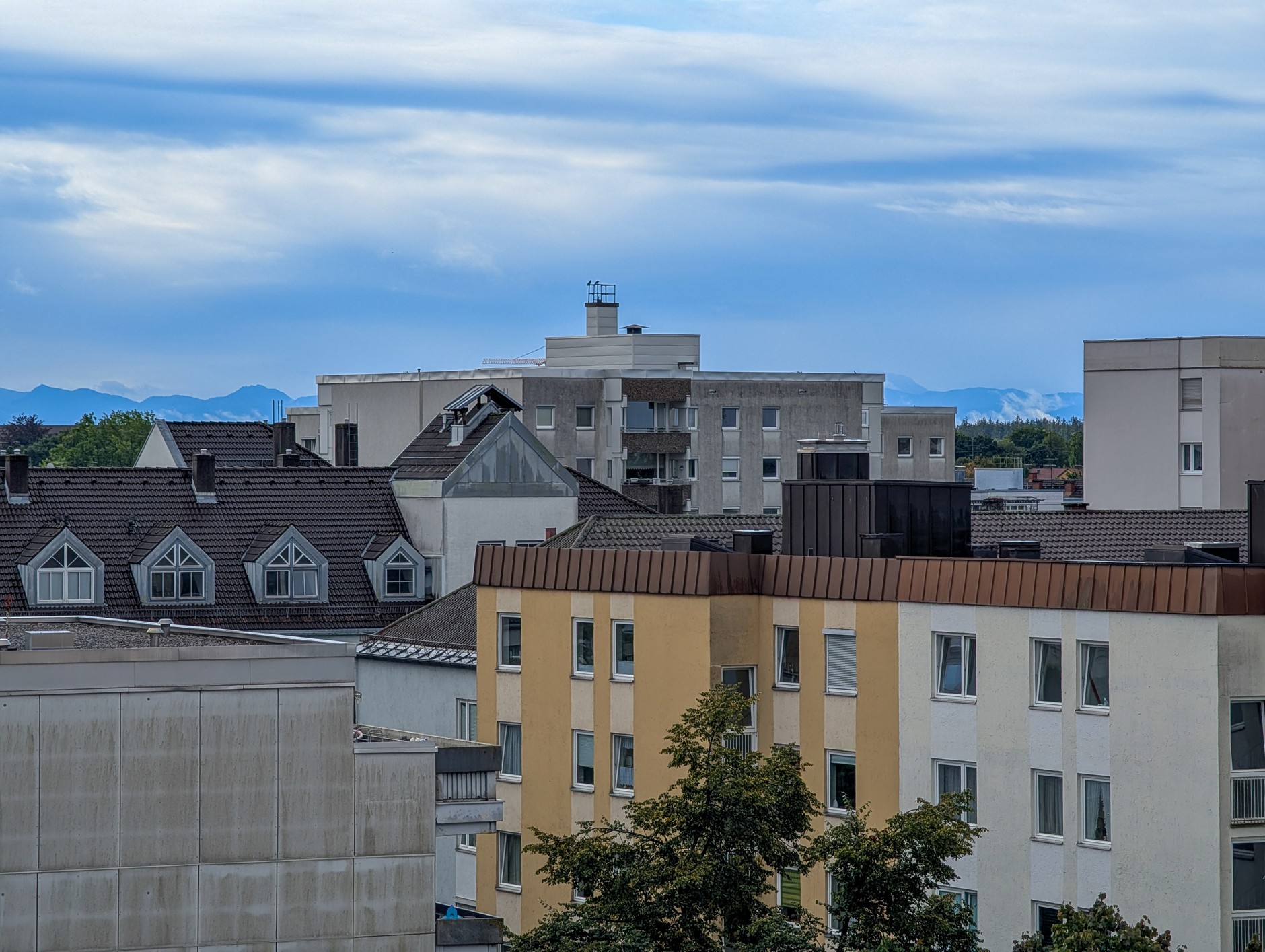
Block of flats in Munich (illustrative photo)Anadolu Agency / Contributor / Nur Photo / Contributor / Getty Images
Housing lottery
As the authors explain, in large cities the difference between rents for existing premises and rents for premises offered on the market is particularly large. “This difference illustrates the structure of the rental market based on the division into insiders and outsiders, where on the one hand we have stable housing costs for current tenants, and on the other hand, much higher rental costs in the case of new lease agreements.”
This changes the way the entire housing market functions. “As the gap increases, it becomes less and less attractive for many tenants to change their home. This 'lock-in effect' describes the tendency of households to staying in the current apartmenteven if it no longer corresponds to the size of the household or place of residence.” In this way, moves are blocked and the existing living space is used less efficiently, which further deepens the shortage.
However, the economic significance of this effect extends to the potential for economic growth. To take advantage of it, employees must be able to work where they can best use their productivity. For this purpose, sufficient living space must be available and the relocations must be economically viable.
Because these conditions are not met, according to the authors, the housing market is increasingly resembling a “housing lottery”. Those who already have a cheap resource benefit from it, while those who joined the market later have little chance to find affordable living space. “Households are therefore more likely to remain in housing that no longer suits their current living situation – for example, in disproportionately large housing after children move out – rather than making room for households with greater needs.”

Tenement houses in Berlin (illustrative photo)MICHAEL NGUYEN/Getty Images
Getting out of the crisis
There is one main obstacle in creating a sufficient number of affordable housing: high costs resulting from, among others, due to excessive regulatory requirements and too long processes, make the construction of new apartments unattractive to investors. With only production costs in multi-story construction amounting to PLN 4.5 thousand. euro (PLN 19,000) per square meter – twice as much as in 2010 – costs including land, financing and return on investment amount to approx. PLN 7,000. euro (PLN 29,000). In these conditions, rent without utilities of less than EUR 20 (PLN 84) per square meter is illusory.
The costs that the dysfunctional German housing market incurs on the national economy can be imagined by looking at the situation in the United States.
In highly productive cities like San Francisco or New York, economic growth could be as much as 9 percent. higher if more were built there. To tap this potential, economists from the Ifo Institute recommend that politicians focus more on increasing supply.
In particular, they advise promoting new construction, reducing construction costs, eliminating bureaucratic obstacles, designating additional areas for development and increasing the density of buildings in city centers. These demands are partially reflected in current political actions, but they have yet to be implemented.
Unlivable
“In general, housing policy must respond more decisively to the housing shortage in cities, so that they do not become victims of their own economic success, and the benefits of agglomeration are not overshadowed in the long run by rising social tensions and declining mobility,” conclude economists from the Ifo Institute.
The results are consistent with those of other studies. The consulting firm PwC conducted surveys to determine the extent to which the housing shortage is inhibiting job mobility and therefore slowing the economy.
According to research, 82 percent respondents say that the current housing and rent situation makes it difficult for companies to find and retain qualified employees.
In the Munich and Berlin regions, this is confirmed by as many as 88 percent. respondents. According to the analysis, the tense situation on the housing market threatens to further deepen the shortage of qualified labor in urban agglomerations.