On Friday, after meeting with the main military commanders, Zezmacja announced that intelligence drones, which could belong to the Hungarian armed forces, invaded the Ukrainian airspace several times. According to the president, they were to conduct industrial diagnosis in border areas. In addition, the head of the Ministry of Foreign Affairs of Ukraine Andriy Sybiha accused Budapest “playing the role of a Kremlin butler”.
Read also: Sergei Lavrov in the UN: Russia is ready to negotiate in the matter of Ukraine
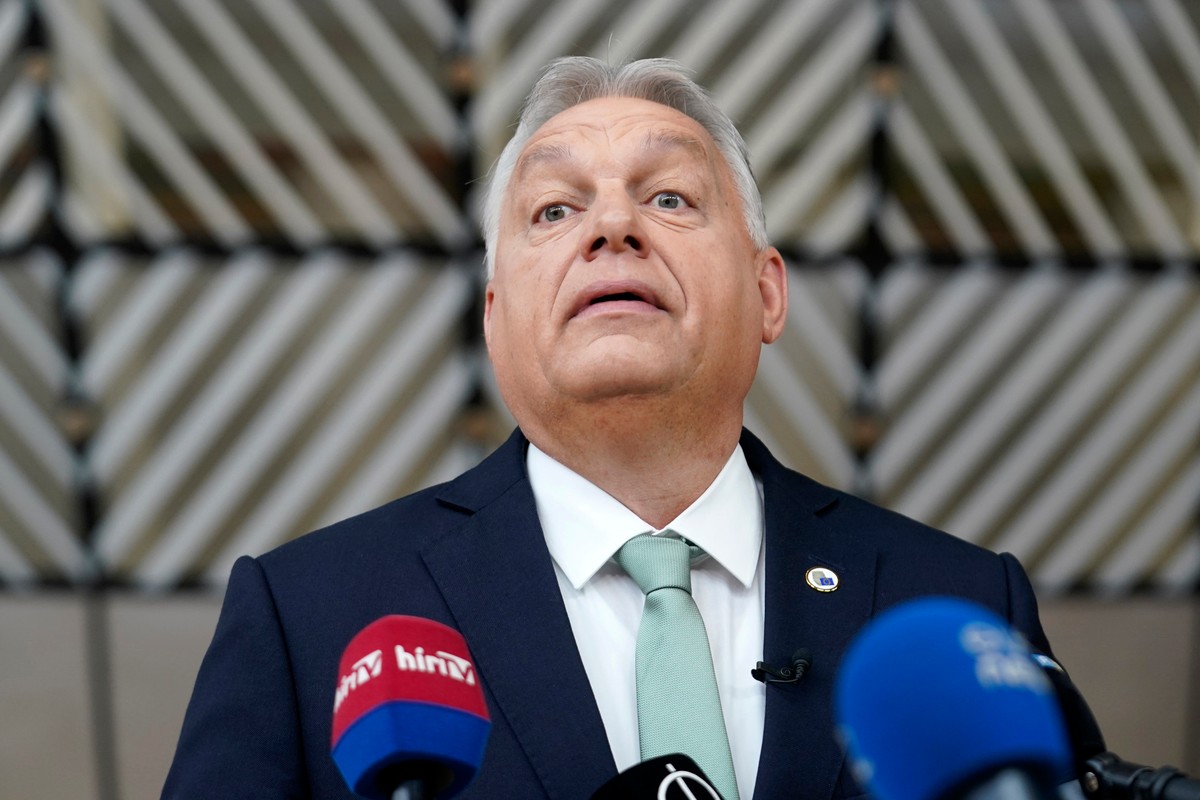
The statement of Zelanski and his minister met with the immediate reaction of the Prime Minister of Hungary. Orban, criticized for years by some EU partners for close relations with Moscow, this time he sharply rejected the allegations, emphasizing that Hungary is a loyal member of the transatlantic community and participate in NATO and EU activities.
Accusations from Kiev against Hungary. Viktor Orban's sharp answer
– Hungary is a member of NATO and the European Union. Ukraine would have fallen long ago without the support of these two organizations. Mr. President Zelanski, with all due respect, stop harassing us! – wrote Orban on social media.
Read also: September raid of Russian drones to Poland. Wołodymyr Zelanski provided shocking data
The accounts of Kiev and Budapest have been tense from the beginning of Russian aggression. Although Hungary formally supports sanctions against Russia and support humanitarian aid for Ukraine, they have repeatedly blocked decisions regarding increasing military support. Orban also opposed the supplies of weapons through Hungary and criticized the EU policy towards Moscow, claiming that sanctions were harmful to the European economy.
The dispute between Ukraine and Hungary. This is the fundamental reason
The dispute is also influenced by the issues of national minorities – Budapest has been raising the problem of the situation of the Hungarian community in the corner for years, accusing Ukraine of limiting its language and educational rights.
Accusations of Hungarian drones can deepen the distrust between the two countries. For Kiev, it is a warning signal that not all NATO and EU members are fully involved in helping to fight Russian aggression. In turn, for Orban, it is an opportunity to emphasize that his government – despite criticism – remains part of Western structures, and Ukraine should restrain the accusations against allies.
In the face of the growing nerve war around the Eastern NATO flank, the latest dispute shows how fragile allied unity can be and how easily geopolitical tensions can turn into open verbal conflicts between countries that should theoretically stand on the same side.