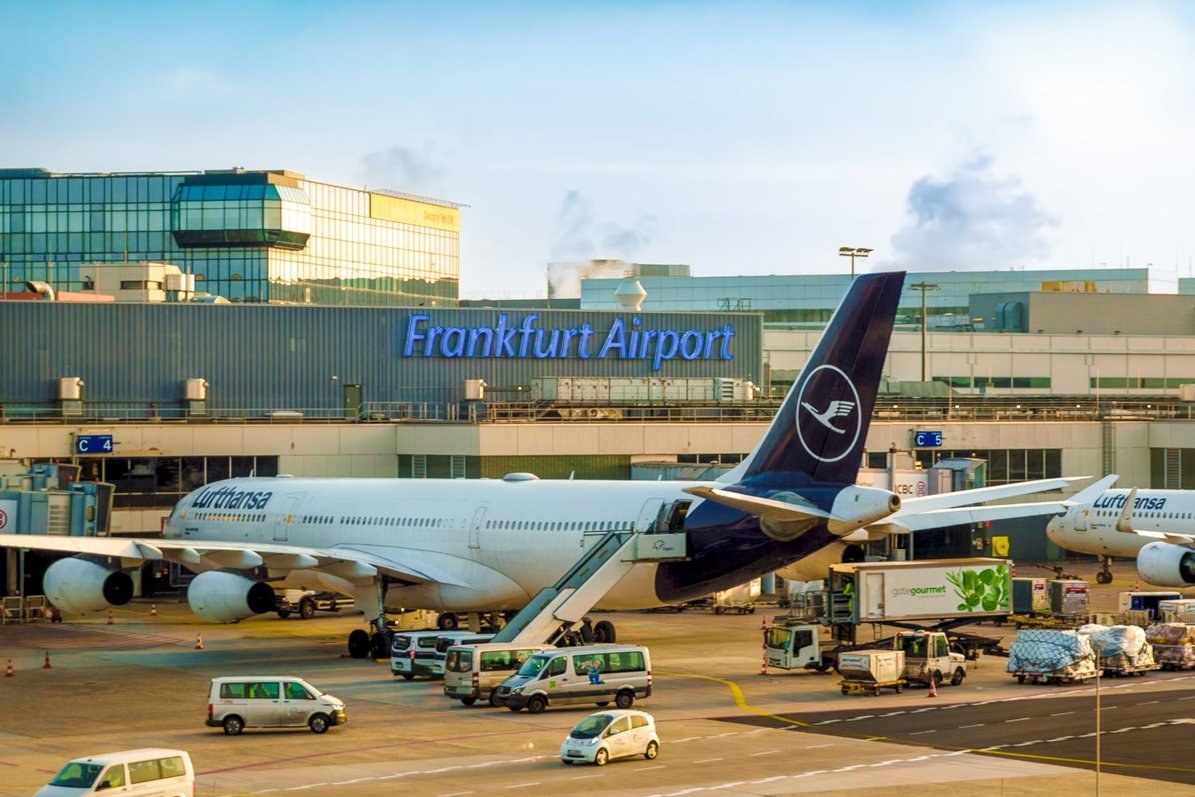
Germany is facing significant challenges in its aviation sector as rising ticket prices and a shift of passengers to international hubs threaten its status as a key European transportation hub. A recent report highlights this decline, emphasizing Germany’s gradual detachment from global aviation trends.
Flying is becoming increasingly costly, with average ticket prices for flights to and from Germany now twice as high as they were in 2010. From less than 150 euros a decade ago, prices have surged to around 300 euros by 2024. This finding comes from a joint report by the German Aerospace Center (DLR) and the Federal Association of the German Aviation Industry (BDL).
Among the factors contributing to this price hike are significantly higher state-imposed charges, including air transport taxes, security fees, and air traffic control costs. Additionally, operational and staffing expenses have risen. Overall, average ticket prices across Europe have also increased, from nearly 250 euros to just under 340 euros.
German Hubs Losing Passengers
As global air travel experiences a boom, Germany is increasingly losing ground in the aviation sector. Passengers are opting for long-haul flights through hubs in Istanbul, Dubai, or Doha instead of transferring in Frankfurt or Munich.
This trend is particularly striking in international air traffic, where a growing number of passengers on long-haul flights are bypassing German hubs in favor of non-EU locations. Reports indicate that the share of routes from Germany to East Asia and Southeast Asia that connect through non-EU hubs has tripled from 34% to 54%. Meanwhile, the proportion of connecting flights through German hubs has plummeted from 56% to just 36%. Similar trends are evident in air traffic between Germany and Africa, with German airlines facing competitive disadvantages against state-supported carriers from Turkey and the Gulf states.
Global Air Travel Continues to Grow
In contrast, global air traffic is on the rise, with DLR projecting that passenger numbers could reach 154% of pre-pandemic levels by 2034. However, Germany is unable to fully capitalize on this aviation boom, as it has yet to recover to pre-pandemic traffic levels on routes within Europe.
The significance of the aviation industry to the German economy is highlighted by recent statistics: approximately 536,900 jobs were directly or indirectly linked to aviation in 2024, contributing around 58.4 billion euros to the economy. This accounts for about 1.3% of Germany’s gross domestic product. BDL’s Director General, Joachim Lang, warns of the dangers of Germany’s “gradual disconnection from international air transport.”
The aviation sector is not the only industry facing difficulties in Germany; the automotive sector is also experiencing significant challenges, with major companies like Volkswagen struggling.