Orlen has reported a potential loss of $1.2 billion to prosecutors, revealing complications stemming from actions taken by its previous management. At the heart of this issue is a mysterious visit to Malaysia and a long-term contract extending until 2048.
On October 11, 2021, Orlen signed a contract with a prominent player in the chemical sector, intended to solidify a partnership for a quarter-century. The deal involves the sale of ethylene oxide, a key petrochemical raw material fundamental to the production of plastics.
According to the agreement, deliveries of the raw material will commence in early 2024 and continue through to the end of 2048.
Five years later, the new management at Orlen views the circumstances surrounding this contract quite differently compared to the previous leadership under Daniel Obajtek.
On August 31 of this year, a notification regarding suspected criminal activity was submitted to General Prosecutor Waldemar Żurek. Radio Zet was the first to report on this development.
Contract with a Financial Bomb?
This notification follows audits initiated by the new leadership after a shift in management. What findings did the auditors, commissioned by the Płock-based corporation, uncover?
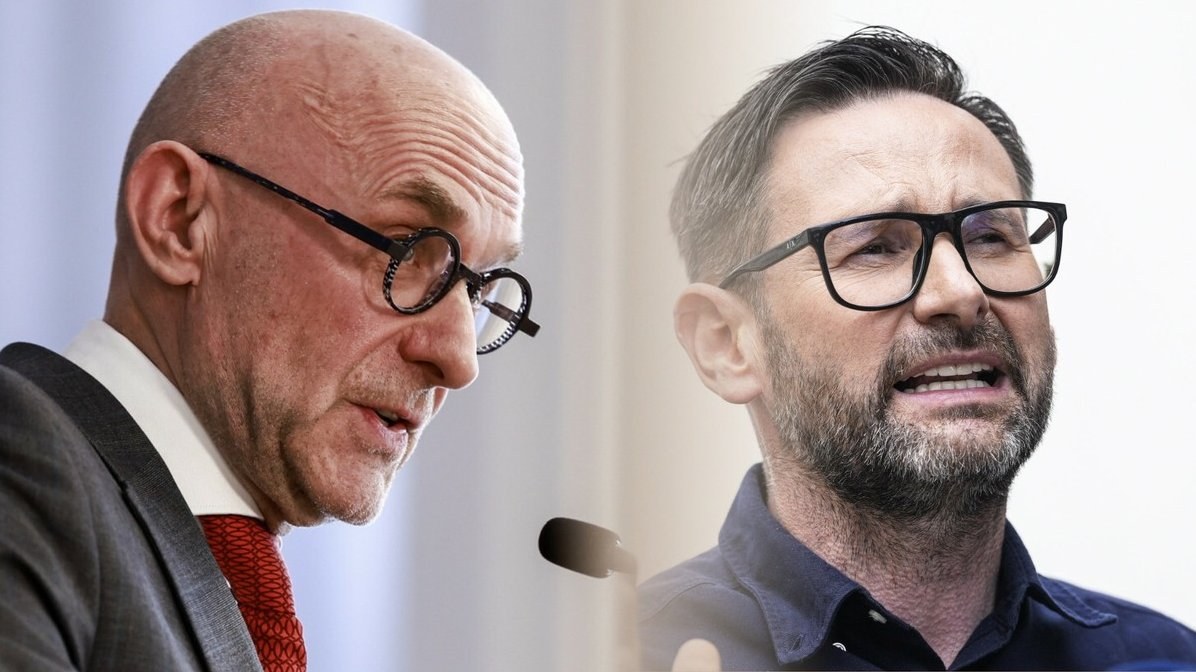
In the notification, Orlen alleges that Michał Róg, who served as a board member from September 2018 to February 2024, and another executive director engaged in negotiations that resulted in an unfavorable contract concerning the sale of ethylene oxide.
Orlen argues that the responsibility for the contract lies with the board members who agreed to the documents on August 17, 2021, and the supervisory board that approved the agreement on September 30, 2021.
The financial damage the Płock company faces is estimated at around $1.2 billion.
The case has been forwarded by Waldemar Żurek to the Regional Prosecutor’s Office in Warsaw. Deputy Head Tomasz Nowicki confirmed that an investigation is underway concerning violations under Article 296 paragraph 1a of the Penal Code, which pertains to causing harm in economic transactions, potentially resulting in a prison sentence of up to three years.
The Warsaw Regional Prosecutor’s Office is currently conducting multiple investigations related to Orlen. In two instances, the prosecutor has already filed charges in court, one of which involves Michał Róg and pertains to a well-known scandal with Orlen’s Swiss subsidiary, OTS, which reportedly lost $378 million (approximately 1.5 billion PLN) in trading oil.
Who Covered the Costs of the Malaysian Trip?
The latest controversy surrounding Orlen involves excess ethylene oxide in its inventory, a valuable resource with various applications in the production of plastics and chemicals.
During Daniel Obajtek’s tenure, the company explored options for utilizing this surplus and considered two potential solutions. The first involved acquiring a company capable of producing high-margin products from ethylene oxide, with Orlen analyzing the possibility of purchasing a business in this sector (the one with which the long-term contract was later signed).
The second option was to develop capabilities for processing the raw material independently. Both strategies aligned with Orlen’s previous operational goals aimed at enhancing profit margins.
Auditors concluded that there was an expectation within Orlen that it would choose one of these two paths.
In the information provided to investigators, Orlen indicated that a shift in its plans coincided with a visit to Malaysia undertaken by Michał Róg.
The initial purpose of the trip was to negotiate the acquisition of Malaysian assets from a Polish company to enable Orlen to manage its excess ethylene oxide and thus produce and sell high-margin products.
The Polish company targeted for acquisition operates in Malaysia and has a subsidiary in Kerteh, collaborating with Petronas, a major oil enterprise controlled by the Malaysian government.
Kerteh, referred to as the “City of Lights” due to its numerous illuminated industrial installations, refineries, and platforms, serves as Petronas’s production and operational hub.
Orlen argues that Michał Róg and the then-executive director traveled to Malaysia to investigate the acquisition but returned with a fundamentally different proposal.
The company states in its notification that the trip to Malaysia was not recorded in Orlen’s financial accounts, leaving unclear who covered the trip’s expenses.
Now led by Ireneusz Fąfara, Orlen asserts that investigators have the means to ascertain whether any corrupt activities could have occurred in this context.
The firm requests that prosecutors examine the circumstances of Róg’s trip and his interactions with representatives of the company with which the long-term contract was subsequently signed, encompassing contractual penalties worth billions of PLN.
Orlen seeks clarity on who bore the costs of the trip and the nature of relationships between the negotiation participants.
The notification sent to the prosecutors raises questions about potential informal contacts and cites circumstances that warrant investigation. These include reviewing electronic correspondence, phone records, communication channels, and financial transactions. The company also calls for questioning those involved in the negotiations. Auditors could not verify the hypotheses presented in the notification to prosecutors, which does not contain any evidence suggesting that Róg or anyone else received a financial advantage.
We were unable to obtain a comment from Michał Róg’s legal representative on this matter.
Orlen Signed an Unfeasible Contract
The current management at Orlen has raised concerns regarding the manner in which negotiations were conducted, claiming that they did not protect the company’s interests. This argument was even raised in emails by the lawyers hired for the case from a reputable law firm.
To fulfill the primary obligations of the contract involving the sale of ethylene oxide, Orlen needed to establish a completely new facility (NITE) and infrastructure (OBSL) during the construction of the Olefiny III complex.
At the time the contract was signed on October 11, 2021, it was already known that the infrastructure for Olefiny III would face a 15-month delay. Deliveries of the essential raw material to the company with which Orlen signed the contract were slated to begin on January 1, 2027.
The current management contends that board members and the supervisory board approved the contract despite being aware of the construction delays and the substantial penalties involved. They might have been misled regarding risk mitigation but should have verified this information.
The ethylene oxide that Orlen committed to supply had to meet specific parameters, and only the new facilities, which had not yet been built at the time, could comply with the contract terms.
Theoretically, the Płock company had raw material from its existing facility, but it did not meet the specifications outlined for deliveries starting in 2027.
The current leadership at Orlen asserts that given the construction delays at Olefiny III, the issue of penalties amounting to $1.2 billion is no longer an abstract figure noted in the contract.
The risk of failing to deliver an appropriate product, according to the notification to prosecutors, was already present at the time of the contract’s signing.
The agreement, lasting until 2048, raises further concerns for the current management, especially since the previous contract was valid for only ten years and was set to expire in 2024.
We have reached out to Orlen for comments regarding this issue and submitted questions about the contract, its execution, and negotiations for a settlement.
Contact the author: [email protected]