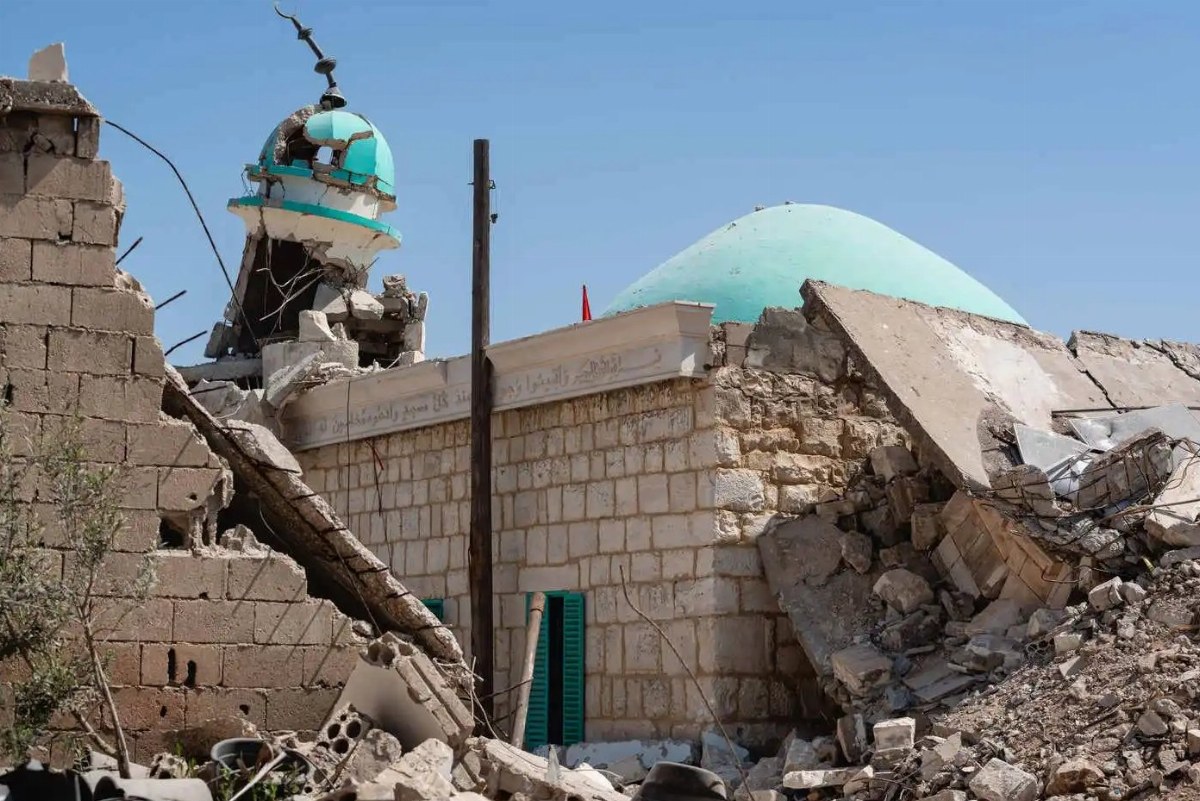
Israeli military operations have resulted in widespread destruction of homes, roads, agricultural lands, and forests in southern Lebanon, according to reports. This systematic destruction has raised concerns about the long-term habitability of the region, with significant damage occurring even after a ceasefire was declared with Hezbollah.
A joint investigation by the Financial Times and the non-profit journalism organization Lighthouse Reports uncovered extensive damage in areas of southern Lebanon occupied by Israel, including tens of thousands of homes, schools, and essential infrastructure.
Satellite imagery, open-source data, and verified video materials indicate that much of the destruction commenced after Israeli forces took control of abandoned villages in mid-April. This campaign has rendered vast areas uninhabitable, dismantling critical civil life systems such as water supply, energy infrastructure, and medical services. Human rights organizations and legal experts suggest that these tactics appear designed to prevent the return of displaced residents.
Kristine Beckerle, deputy director at Amnesty International, described the situation as “a widespread, long-term, and organized attack against the population in southern Lebanon.” She emphasized the severity of the destruction, stating, “If you raze everything to the ground, including essential infrastructure and healthcare systems, you are effectively creating barren, uninhabitable lands, making it exceedingly difficult for the people to return to southern Lebanon.”
Strategies of Destruction: Lessons from Gaza
Southern Lebanon has frequently faced bombardments and invasions by Israeli forces, predating the emergence of the militant group Hezbollah. Following the latest outbreak of conflict, Israel’s Defense Minister, Israel Katz, referenced a destructive strategy utilized after the Hamas attack on October 7, 2023, known as the “Rafah and Beit Hanoun model,” alluding to the massive destruction of Gaza cities by Israel.
Katz stated, “All houses in Lebanese villages near the border will be destroyed.” By July, he claimed that this threat had materialized, boasting that around 20,000 homes had been razed in 24 ancient Lebanese villages, emphasizing the comprehensive nature of the destruction. “Not house by house, but entire villages,” he remarked.
Israel frames its military campaign as a defensive measure aimed at dismantling Hezbollah’s infrastructure to prevent the group’s re-establishment near the border and to protect communities in northern Israel. The Israeli government has asserted that its troops will maintain a “security zone” and will act against any threats as long as Hezbollah remains active.
Conflict Casualties and Displacement
The recent conflict between Israel and Hezbollah escalated on March 2 when Hezbollah opened fire on Israel in support of Iran, following U.S. and Israeli military actions against the Islamic Republic. Local authorities report that over 4,300 people have died in Lebanon, alongside more than 30 Israeli soldiers and civilians.
Evacuation orders issued by Israel led to the forced displacement of approximately 1.2 million individuals within the first ten days of the conflict, primarily from southern Lebanon, dominated by Hezbollah, as Israeli forces advanced. Fighting continued for weeks, with the most significant destruction documented by the Financial Times and Lighthouse Reports occurring after an initial ceasefire between Israel and Lebanon was established on April 17.
While the ceasefire did not hold indefinitely, and clashes persisted even after the last truce in June, Israeli forces, having already established control over many abandoned villages, continued their devastation of southern Lebanon through airstrikes, controlled detonations, bulldozers, and the use of white phosphorus.
Occupation and Territorial Control
The Israeli occupation has solidified, with controlled territory delineated by what Israel refers to as the “blue line.” This area encompasses roughly 6% of Lebanese territory, extending about 10 kilometers into the country from the unofficial border between the two nations.
However, the actual border remains ill-defined, lacking official demarcations, except for one official checkpoint along the coastal highway near Naqoura. Last week, Israel ordered residents of a village above this line to evacuate before bombarding it—marking the first such warning in recent weeks.