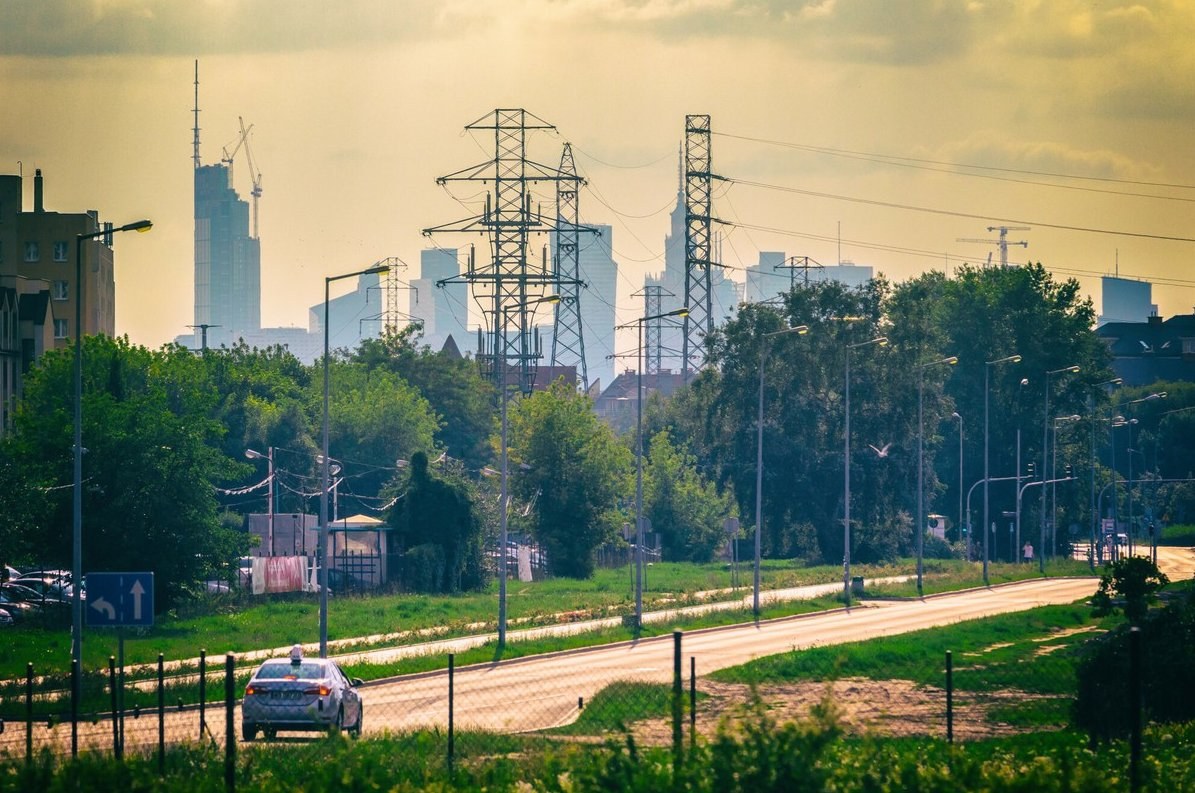
As Poland faces a new wave of record temperatures and increasing electricity demand, concerns about the country’s energy security have resurfaced. Tobiasz Adamczewski, Vice President of the Energy Forum, stated that the current situation is significantly improved compared to a decade ago. However, he emphasized that the risk of a blackout always remains.
Recently, Poland has grappled with extreme heat. Following a brief period of cooler weather, the country is expected to experience another heatwave, with temperatures potentially reaching 35-40°C in the second week of July. This situation presents significant challenges for the energy grid.
Adamczewski highlighted that Poland’s energy system is now much more resilient than it was ten years ago when it was vulnerable to the effects of extreme temperatures.
“Ten years ago, we faced a tangible problem; a 20th degree of supply alert was announced, compelling consumers to physically reduce their energy consumption due to insufficient power in the system. Industrial consumers were the first to cut back, which was detrimental to the economy,” he noted.
Despite the soaring temperatures, Adamczewski is optimistic about the current state, attributing the improvement to the dynamic growth of renewable energy sources, particularly solar energy.
“Ten years ago, we had no photovoltaic energy. Now, we have 27 gigawatts in the system. This impressive figure means that during sunny days, a large portion of the electricity consumed is generated from these sources,” he explained.
During his segment, Adamczewski asserted that a blackout is not a current threat for Poland. “At this moment, we have enough energy,” he confirmed.
Potential Causes of Blackout
According to Adamczewski, a blackout could occur in the event of a widespread failure of conventional power plants or insufficient power supply from abroad, as Poland relies on international electricity exchanges.
“Currently, we can utilize interconnectors, and if we do not manage our consumption accordingly, a blackout could indeed occur,” he added.
Adamczewski also pointed out other threats to the country’s energy security. “The primary concern is the lack of investment planning. I hope we have already turned a corner on that front. The government has finally adopted the National Energy and Climate Plan, providing a roadmap for investments in the energy sector until 2040. While it may not be perfect, it shows where businesses should invest and how regulations will evolve to prevent situations where we are unprepared or have an inadequate energy mix in the system,” he concluded.