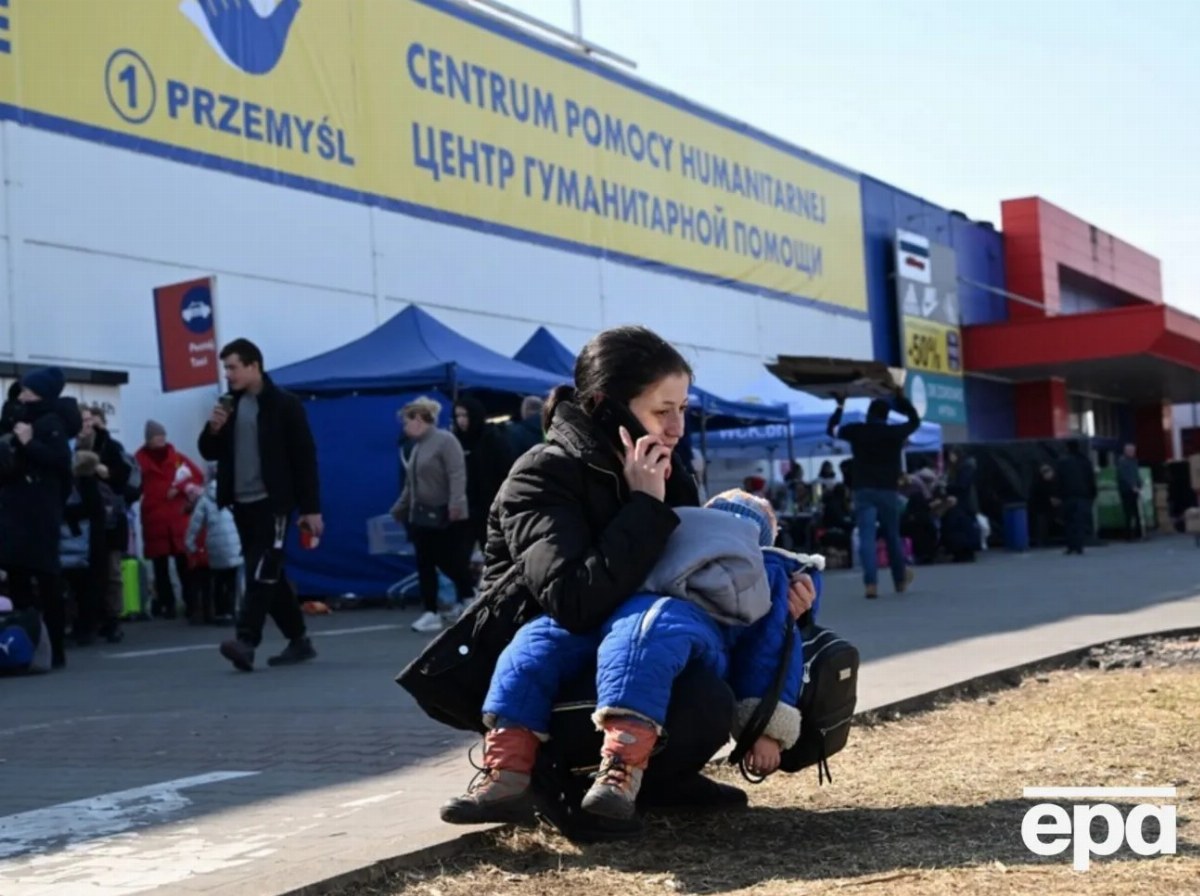
European officials are raising concerns about a troubling trend regarding Ukrainian refugees, specifically noting a surge in anti-immigrant sentiments across the continent. O’Flaherty, a representative from the Council of Europe, indicated that he has met with numerous Ukrainians in various European nations over recent weeks.
“I have observed cuts in social benefits, which are creating significant hardships for many people. The reduction in housing programs is particularly alarming. It’s manageable for someone who can rent, but for retirees and those without resources, it poses a serious challenge,” O’Flaherty stated.
He further remarked on the growing animosity directed towards Ukrainians, which, while not universal and not yet widespread, is nonetheless evident. Ukrainians are increasingly caught in the broader anti-immigrant rhetoric pushed by far-right groups, who tend to blame migrants for societal issues. “This populist nonsense must be challenged as it poses a serious threat,” he emphasized.
O’Flaherty suggested that the initial generous support for Ukrainians in some countries at the beginning of the full-scale war may have fostered discontent among local populations. Nevertheless, he believes there is still an opportunity to rectify the situation.
Context
- As of March 2026, approximately 4.33 million Ukrainians were under temporary protection within EU countries, with the largest numbers in Germany (1.27 million), Poland (961,000), and the Czech Republic (380,000). The majority of these individuals are women and children.
- Several European nations have reduced social payments to Ukrainian refugees. Notably, Polish support has dropped to a historic low of 48% since January 2026. Germany has also decreased social aid for newly arrived Ukrainians, Spain has nearly halted direct cash payments, and the Czech Republic is gradually cutting humanitarian assistance as refugees integrate.
- On June 26, the European Commission proposed extending temporary protection for Ukrainian refugees for another year, until March 4, 2028. However, this extension will not apply to men of conscription age who receive temporary protection under the new rules.