A former NATO commander, after the appointment of the new prime minister: The Romanian authorities “sabotage the collective effort”. Accusations against Vestea in the case of the Voila bridge

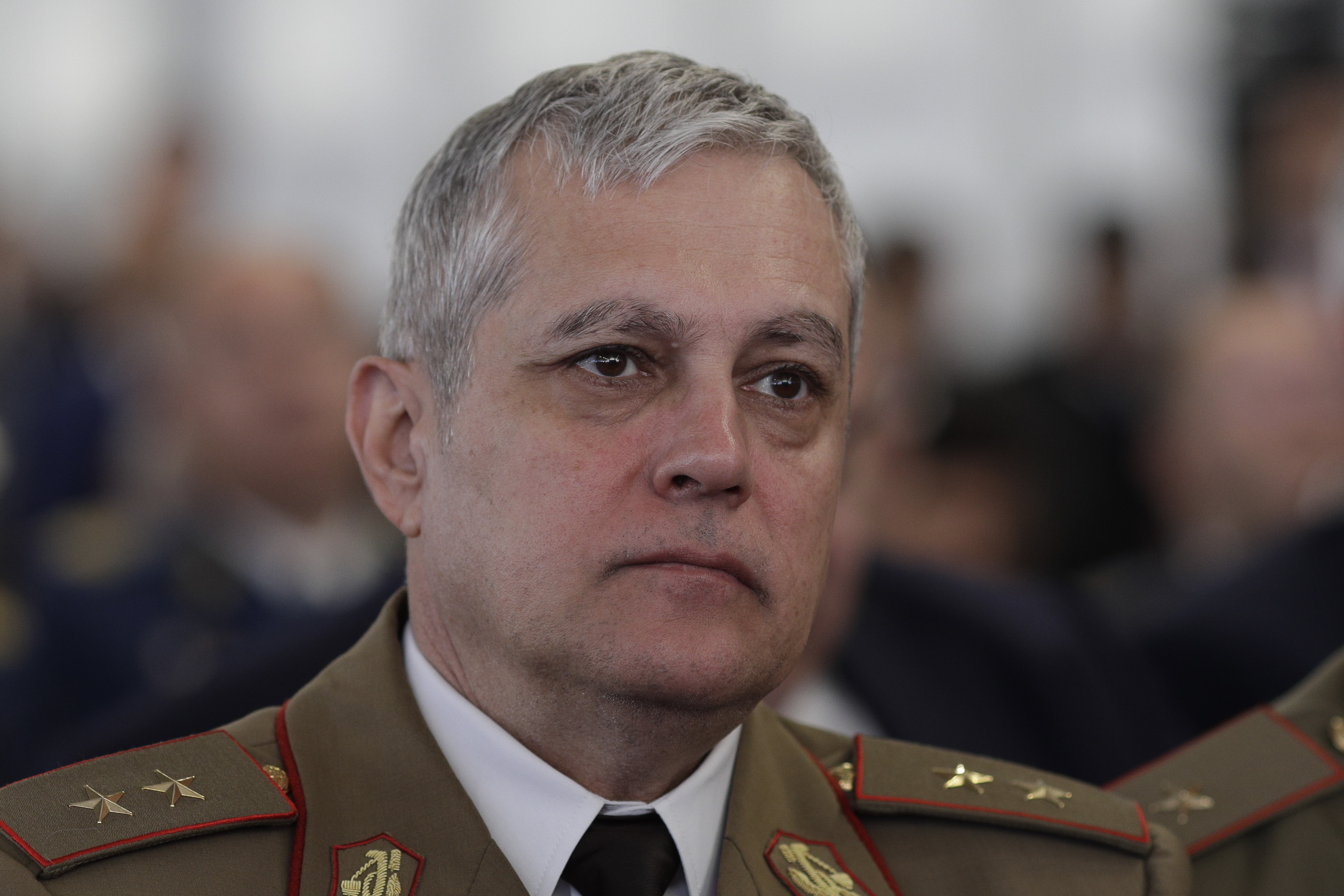
Dorin Toma, former head of NATO's South-East Multinational Division Command, accuses Adrian Veștea that, both as president of the Brașov County Council and as Minister of Development, he blocked infrastructure projects in the area of the Cincu training ground.
- General in reserve Dorin Toma headed, between 2022 and 2025, the NATO Command in Bucharest that coordinates the Cincu Battle Group. Previously, he was deputy head of the Romanian Land Forces, according to the Monitorul Apărării si Securității.
“It was with great surprise that I learned about the new appointment for the position of Prime Minister of Romania”, wrote Dorin Toma, on Sunday, on his Facebook page. His message comes after the nomination of Adrian Veștea as prime minister.
He states that, both for the NATO Command that he led between 2022 and 2025, and for the allied contingents, especially those from France, the efforts to ensure access and military mobility in the area of the Cincu training ground “hit, despite all the insistence and official efforts, with the disinterest and faulty management of the Brașov County Council and the Ministry of Development”. According to the former commander, both institutions were then led by Adrian Veștea.
The general says that the project to demolish and build the new bridge over the Olt River, in the area of Voila, under the responsibility of the County Council and financed by PNDL, “has dragged on for more than four years, mainly due to bureaucratic blockages.”
“All this time, the military convoys had to use undeveloped detour routes, which generated huge logistical and financial costs for the NATO partners. The heavy convoys were forced to travel through Sibiu County or on other secondary routes in Țara Făgăraşului, adding dozens of kilometers and hours of delay to each transport,” says Dorin Toma.
He also says that the transit of armored vehicles on narrow county roads, not designed for heavy tonnage, damaged the local infrastructure and increased the risk of technical incidents.
The former commander recalls that for years the Romanian and NATO soldiers used an improvised route on a partially asphalted communal road, which crossed the Olt River on the hydroelectric dam in the area. “For this reason, NATO heavy equipment (such as the Leclerc tanks of the French army) could not pass through here, being forced to detour tens or even hundreds of kilometers through other counties.”
Throughout this period, says the reservist, the county road DJ 104 should have been strengthened and modernized for heavy convoys, being affected by erosion and the instability of the slopes. However, he adds, “only plans and technical documentation have been developed. Also, the new Sibiu-Făgăraș highway does not have a junction in the area to ensure the rapid movement of troops.”
For the preparation of the DACIAN SPRING 25 and DACIAN FALL 25 exercises, the Ministry of National Defense sent repeated letters to the Ministry of Development for ten months to expedite the procedures for setting up some roads and bridges, but the projects remained blocked in the approval phase.
Dorin Toma also accuses that the situation was so critical that the ambassadors of France, Belgium and Luxembourg officially intervened with the Romanian Government to request the urgent repair of this tactical infrastructure.
The general says that he also intervened for the water and sewage project in the area, to which the military base was to be connected, after the mayor of the locality requested his support for county approval.
However, the project remained stuck in bureaucratic procedures, and “the NATO Battle Group had to resort to its own logistical solutions and allied budgets to ensure minimal operability inside the range”.
Dorin Toma says that although the construction of secondary infrastructure for military mobility is promised, the facts show that too little is being done, and the allies are providing their own resources. He also says that, through the lack of interest of the people who had the authority and the necessary funds, “the Romanian authorities are, in fact, sabotaging the collective effort to implement NATO and national plans.”
The full message published by Dorin Toma on Facebook
“It was with great surprise that I learned about the new appointment for the position of Prime Minister of Romania. Unfortunately, both for the NATO Command that I led in the period 2022-2025, as well as for the contingents deployed in Romania by various allied states — especially France, as the framework nation for the NATO Battle Group —, the efforts to ensure access and military mobility in the area of the Cincu training ground (Brașov county) they were hit, despite all official insistence and efforts, by the disinterest and faulty management of the Brașov County Council and the Ministry of Development.
The project to demolish and build the new bridge over the Olt River, in the area of the Voila township — under the responsibility of the County Council and financed by PNDL — dragged on for more than four years, mainly due to bureaucratic blockages. All this time, military convoys had to use undeveloped bypass routes, which generated huge logistical and financial costs for NATO partners. The heavy convoys were forced to travel through Sibiu County or on other secondary routes in Țara Făgăraşului, adding dozens of kilometers and hours of delay to each transport. Also, the transit of armored vehicles on narrow county roads, not designed for heavy tonnage, damaged the local infrastructure and increased the risk of technical incidents.
For years, the Romanian and NATO militaries used an improvised route: a partially paved communal road that crossed the Olt River on the hydroelectric dam in the area, under a severe tonnage restriction imposed to prevent the destruction of the structure. For this reason, NATO heavy equipment (such as the Leclerc tanks of the French army) could not pass through here, being forced to detour tens or even hundreds of kilometers through other counties. Residents of the area protested throughout the period and felt abandoned by the authorities in the midst of a massive military transit, which the local infrastructure could not support. I remember the deplorable state of a bridge on this communal road, which the locals at one point ended up blocking.
Throughout this period when access to the town of Cincu and the military base was restricted, DJ 104 should have been strengthened and modernized to allow the transit of heavy convoys, being historically affected by soil erosion and slope instability. However, nothing materialized; only plans and technical documentation were developed. Even the new Sibiu-Făgăraș highway does not have a junction in that area to ensure the rapid entry and exit of NATO troops.
For the preparation of the most important NATO exercises in recent years, DACIAN SPRING 25 and DACIAN FALL 25, organized and led by the South-East Multinational Division Command, we have carried out numerous institutional and personal efforts in addition to the central and local authorities. The goal was to set up short sections of communal roads and bridges in Brașov and Sibiu counties to allow the troops access to the training facilities. For ten months, MApN sent repeated letters to the Ministry of Development to expedite the procedures, but the projects remained blocked in the approval phase. I don't think it's necessary to mention who was the minister in office at the time, who was later moved, once again, to the leadership of the Brașov County Council. The situation was so critical that the ambassadors of France, Belgium and Luxembourg had to officially intervene with the Government of Romania to request the urgent repair of this infrastructure of tactical importance.
I remember that the mayor of the locality asked me to intervene so that the water and sewage project in the area, financed from the same national funds, would receive the necessary approval from the county, considering that the military base was also to be connected to this network. The NATO Battle Group had to resort to its own logistical solutions and allied budgets to ensure minimal operability inside the training ground, compensating for the slow pace of investments assumed by the Romanian side. I took this step, but I understand that even today the project is blocked in bureaucratic procedures.
Although the construction of infrastructure for the NATO or American military is promised and large sums are advanced from the national budget, for now the allies provide their own logistical and financial resources for the development of these facilities. There is a lot of talk about military mobility and the development of the secondary road network—as I've pointed out before, it's not enough to build highways if you don't develop the secondary infrastructure that actually supports military mobility—but the facts show that too little is being done. Through the total lack of interest of such characters who had both the authority and the necessary funds in hand, the Romanian authorities are, in fact, sabotaging the collective effort to implement NATO and national plans”.