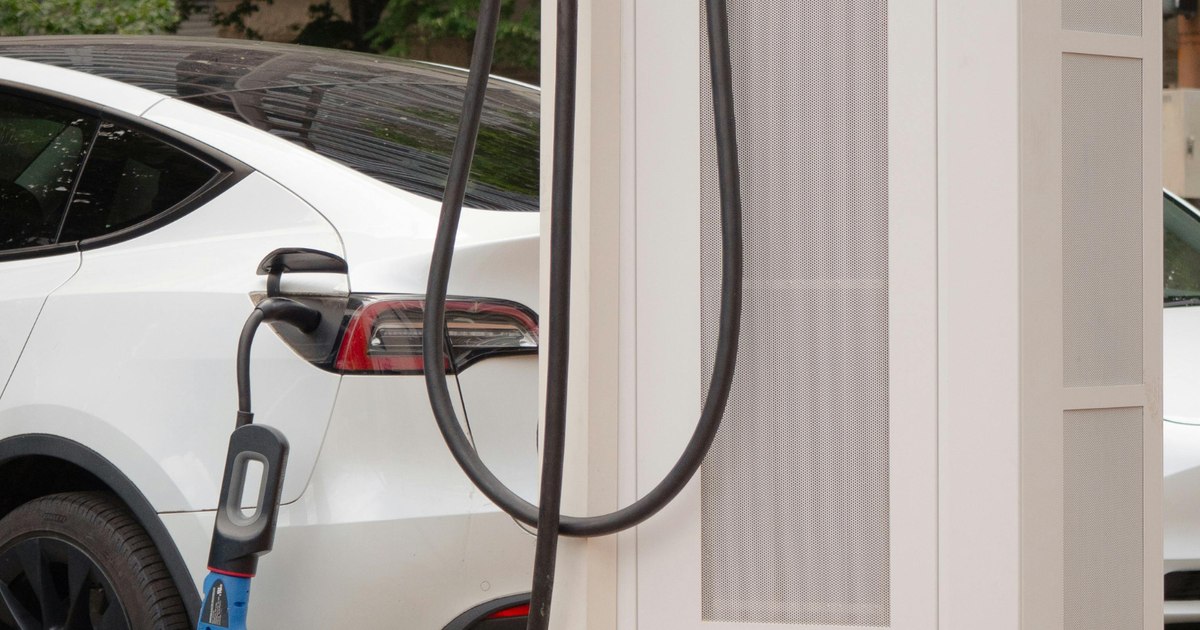
Residents of a small residential complex near the Swedish town of Hudiksvall are using electric cars not just for getting around, but also for powering their own homes, in a pilot project that could change the way energy is managed at a residential level.
Electric car PHOTO: Pexels
Through “Vehicle-to-Grid” (V2G) technology, electric vehicles are connected to bi-directional chargers that enable both charging the batteries and supplying the stored energy to the local grid. Thus, the eight families living in the complex can significantly reduce their electricity bills.
“We use cars to power homes when energy consumption is high”Filip Kiltorp, one of the residents, told AFP.
The system is managed by software that charges the batteries during periods of low consumption and cheaper electricity, then redirects energy to homes during peak hours or in the event of power outages, writes Mediafax.
The project is carried out by the residential association BRF Stenberg, the car manufacturer Volkswagen and the Swedish energy company Vattenfall. The project aims to demonstrate the viability of using electric vehicles as mobile energy storage units.
The complex also benefits from other renewable sources, including solar panels and stationary batteries for storing surplus energy, as well as a communal heat pump for heating.
Specialists believe that the technology has significant potential. According to Nicholas Etherden, energy systems researcher at the University of Gävle, cars are only used about 5% of the time, the rest of the time they are parked and available to supply power to the grid.
“At any given time, these vehicles can provide more electricity than their peak consumption“, he explained.
According to estimates, an electric car battery can cover the energy needs of a household for five to seven days.
But experts point out that wide-scale expansion of the technology depends on the increase in the number of electric vehicles and the introduction of two-way charging systems on all new models.
Questions also remain about the impact on battery life, although experience so far suggests they are more resilient than originally anticipated.