Greece, rules for tourists with tents on the beach. The fines are hundreds of euros. What Romanians need to know

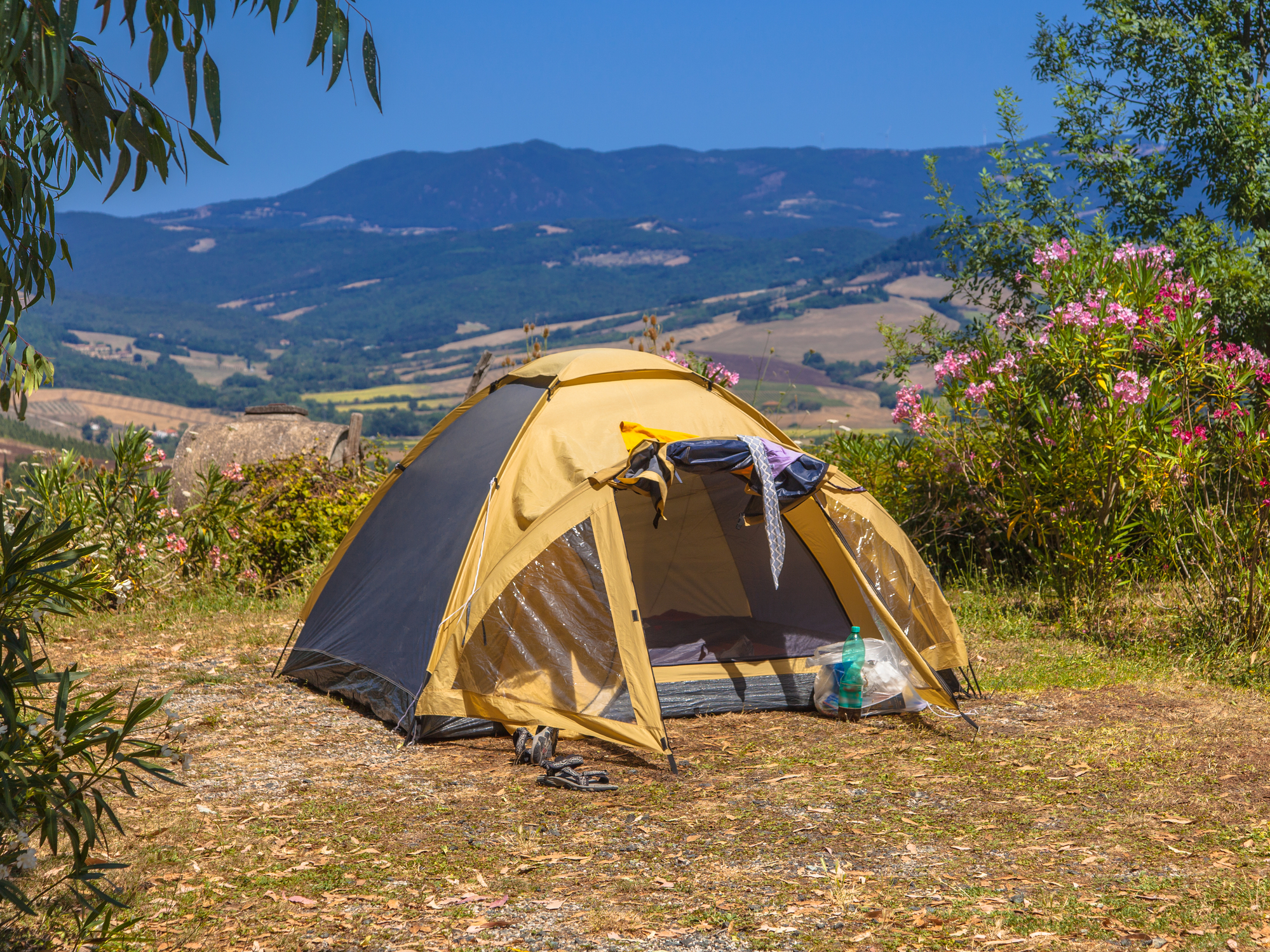
For many tourists, camping near the beach is a cheaper alternative to enjoy their vacation. With the start of the summer season, Greek authorities are stepping up controls on free camping, a practice that remains illegal in undeveloped areas, GreekReporter reports.
In Greece, camping outside authorized areas remains prohibited and can result in fines, criminal proceedings and even imprisonment.
In accordance with Law no. 392/1976, it is prohibited to set up tents, park caravans overnight and, in general, camp on beaches, in forests, near archaeological sites and in other public spaces that are not officially designated for this purpose, according to the cited source
Greek legislation allows camping only in arranged and authorized spaces.
Those who violate these rules risk administrative fines, and in certain cases the authorities can also initiate criminal proceedings, including arrest under the fast-track procedure.
Fines of 300 euros
Under current Greek law, people caught camping illegally in Greece face an administrative fine of €300 per person, tent or vehicle.
In more serious cases, violators may also be liable to criminal penalties. These can include imprisonment for up to six months or a fine set by the court. The total value of the fine set by the court can reach up to 3,000 euros.
The problem of tents on Greek beaches
A notable case took place last summer on Thapsa beach on the island of Evia, where the presence of hundreds of tents sparked strong reactions and led to the intervention of local authorities. The camping tourists were removed from the area and surveillance measures and controls have since been stepped up.
The issue came back into the spotlight last week after authorities arrested two men on Monday accused of camping illegally on a beach in Skiathos.
According to local media, the case sparked further criticism as tourists left waste in the surrounding area, showing disrespect for other tourists and the environment.
Similar incidents are reported from time to time throughout Greece, especially in areas where free camping has been informally tolerated for a long time, the quoted source notes.
In some destinations, a decades-old practice and informal understanding between campers, local authorities and the local community has often existed alongside a legal framework that strictly prohibits this activity.
Photo: Dreamstime