One of the 'architects of AI' says it doesn't matter what children study in school anymore and recalls a Japanese concept

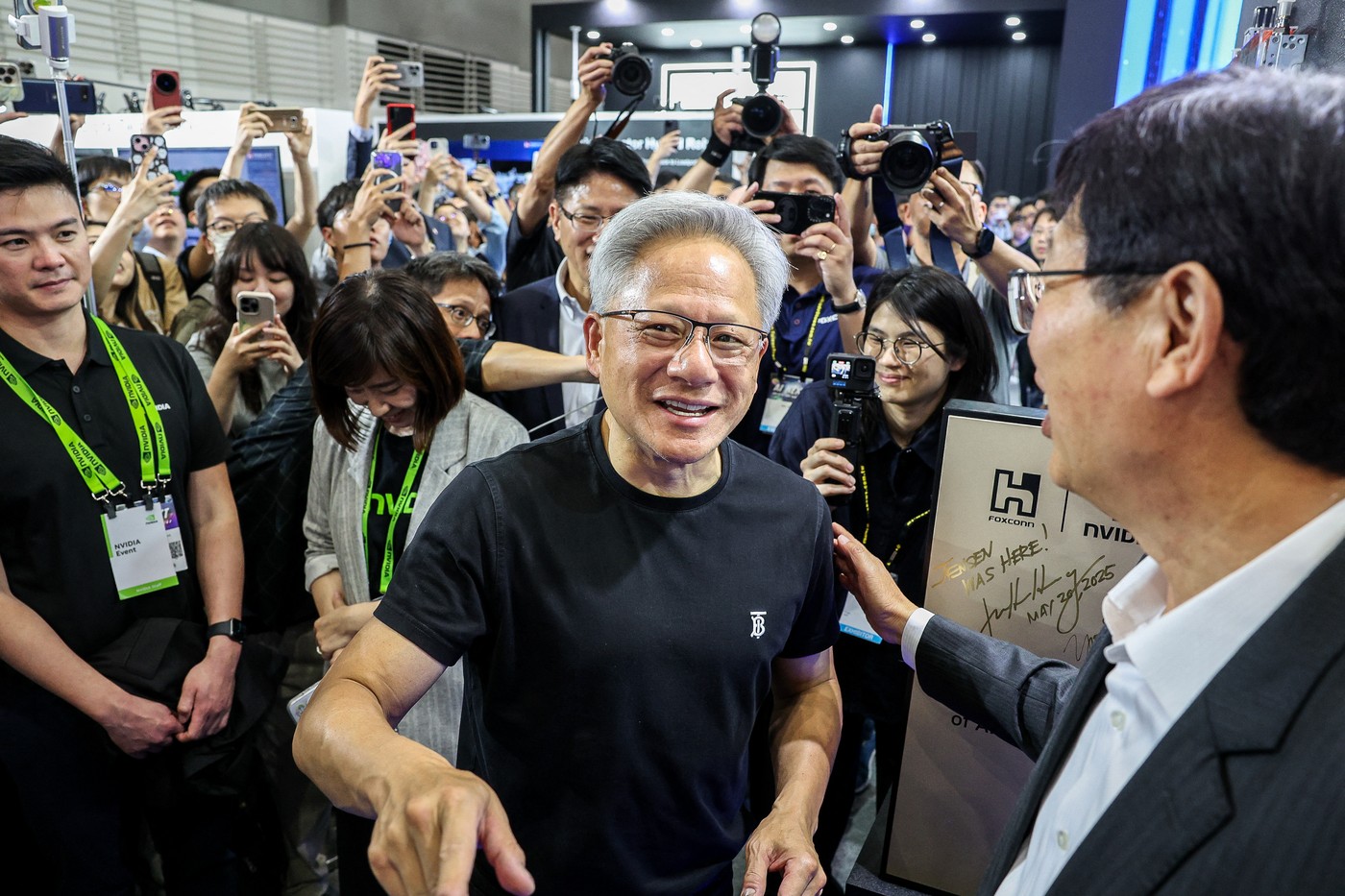
Nvidia CEO Jensen Huang says parents shouldn't be obsessively concerned about what their kids are studying in the age of artificial intelligence. He assures that both the fields and values important today will remain relevant even after the wider adoption of AI.
“I think it won't matter,” Huang said, referring to the field of study. Instead, the things that are important now – like passion, dedication or professionalism – will continue to differentiate people in the future in terms of their career path, says Jensen Huang, in an interview with Channel NewsAsia.
The head of Nvidia, the chipmaker that became the world's most valuable company during the AI ”boom”, says that instead of pursuing subjects he imagines will be “AI resistant”, students should focus on using artificial intelligence to deepen their learning and prepare for the profession they want.
“You're not going to lose your job to AI, you're going to lose your job to someone who has learned to use AI better than you,” he stressed.
Huang claimed as early as 2024 that AI technology had advanced so far that parents should no longer pressure their children to learn programming.
The head of Nvidia claims that AI opens up opportunities in many areas
“You probably remember that in the last 10 to 15 years, almost everyone who walked on a stage like this would have told you that it's vital that your children learn computer science. Now, it's almost the exact opposite,” he told the World Governments Summit in Dubai.
The Nvidia boss also said that tomorrow's scientists, engineers and farmers will be able to use advanced computer systems on their own, thanks to the help of AI
In another interview last year, he named three “blue-collar” jobs that he said would be in high demand in the coming period due to massive investments in building the data centers needed for AI technology. “If you're an electrician, a plumber, a carpenter, we're going to need hundreds of thousands of you to build all these factories,” Huang told Britain's Channel 4 News in an interview.
Business Insider notes that in his new comments, Huang talked about the “art of storytelling,” journalism, arts, and design as examples of fields that will remain valuable even as artificial intelligence becomes more advanced.
“The ability to tell a story for an audience will remain as important in the future as it is today,” Huang said.
One of the richest people in the world recalls the Japanese concept of “wabi-sabi”
In his new statements to Channel NewsAsia, the Nvidia boss also referred to the Japanese concept of “wabi-sabi”, meaning the beauty of imperfection, suggesting that deeply human traits could become even more valued in an AI-saturated world.
Two examples of the Japanese concept of wabi-sabi are the aesthetic cult for stones (dry garden) and bonsai care. Japanese philosophy advocates a return to simplicity and tranquility, which can positively influence existence.
“Whatever you decide your passion is, the only thing you need to do is ask yourself: How can AI elevate my learning, my craft, and my purpose?” he said.
Huang, who was born in Taiwan and immigrated to the US with his parents as a child, has been one of Nvidia's co-founders and CEO since its inception.
Among other things, Nvidia's spectacular rise amid the AI boom has made Huang one of the world's richest people. Bloomberg estimates his fortune at $178 billion and ranks him 8th in its ranking of the richest billionaires. Above him are only other Silicon Valley entrepreneurs and executives, such as Elon Musk, Larry Page, Michael Dell or Mark Zuckerberg.
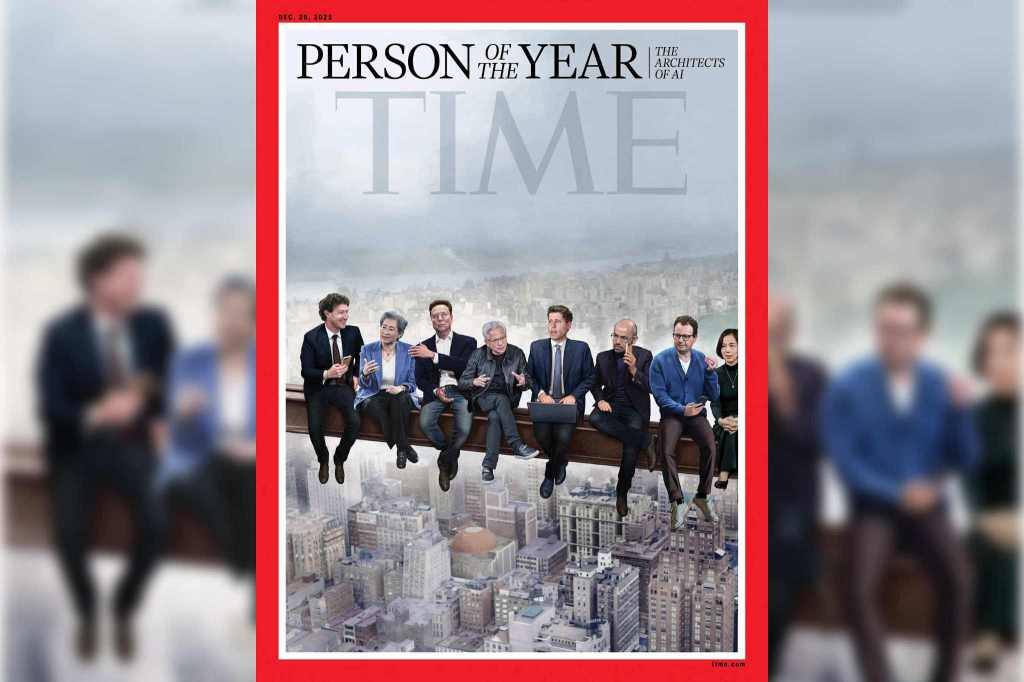
Jensen Huang was named by Time magazine as one of the people of the year 2025, along with Sam Altman, CEO of OpenAI, Dario Amodei, CEO of Anthropic, Demis Hassabis, CEO of the Google DeepMind laboratory and other executives and researchers from Silicon Valley. Time last year chose to award its prestigious “person of the year” title collectively to what it designated “architects of AI.” The others were Fei-Fei Li, nicknamed the “Godmother of AI”, Elon Musk, CEO of xAI, Lisa Su, CEO of AMD, and Mark Zuckerberg, CEO of Meta Platforms.
Nvidia boss is one of the 'techno-optimists'
Huang again dismissed concerns about a massive job loss due to companies' adoption of AI, arguing that while the technology will automate parts of many jobs, it will also push people into higher-level tasks that require judgment and creativity.
“A job is like a basket of tasks,” he told CNA. “Many of these tasks will be automated. And my belief is that as a result of automation, we will be able to focus on the more difficult parts of our work.”
Like Sam Altman, the CEO of OpenAI, Huang is one of the “techno-optimists” who believe not only that AI will not lead to a society-wide disruption of jobs, but that the technology will open up new opportunities for humanity.
Another major AI player, Anthropic CEO Dario Amodei, is instead in the camp of those worried about the technology's potential to cause major turbulence in the labor market.
“Cancer is cured, the economy grows by 10% per year, the budget is balanced – and 20% of people are out of work”, was one of the scenarios stated by Amodei last year, in an interview with Axios.
One of the “godfathers of AI” warns that the technology will exacerbate social differences
Geoffrey Hinton, one of the so-called “godfathers” of AI – the researchers who worked on the “deep learning” technology that made possible the development of artificial intelligence – has issued similar warnings repeatedly.
“What will actually happen is that rich people will use AI to replace workers,” Hinton said in an interview with the Financial Times last September.
“It's going to make some people much richer and most people poorer,” said Geoffrey Hinton, who was a researcher at Google for a decade before leaving in 2023 precisely to try to sound the alarm about the evolution of AI technology. A year later, he won the Nobel Prize in Physics with researcher John Hopfield. The two were awarded Nobel Prizes for their work on artificial neural networks, which underpinned the development of artificial intelligence technology.