As the Kremlin raises the stakes of psychological warfare and announces systematic attacks on “decision centers” in Kiev, China maintains its line of ambiguous neutrality. Beijing launched a new call for dialogue, but flatly refused to clarify whether it would evacuate its diplomatic staff from the Ukrainian capital, a move that could signal validation of Russian pressure.
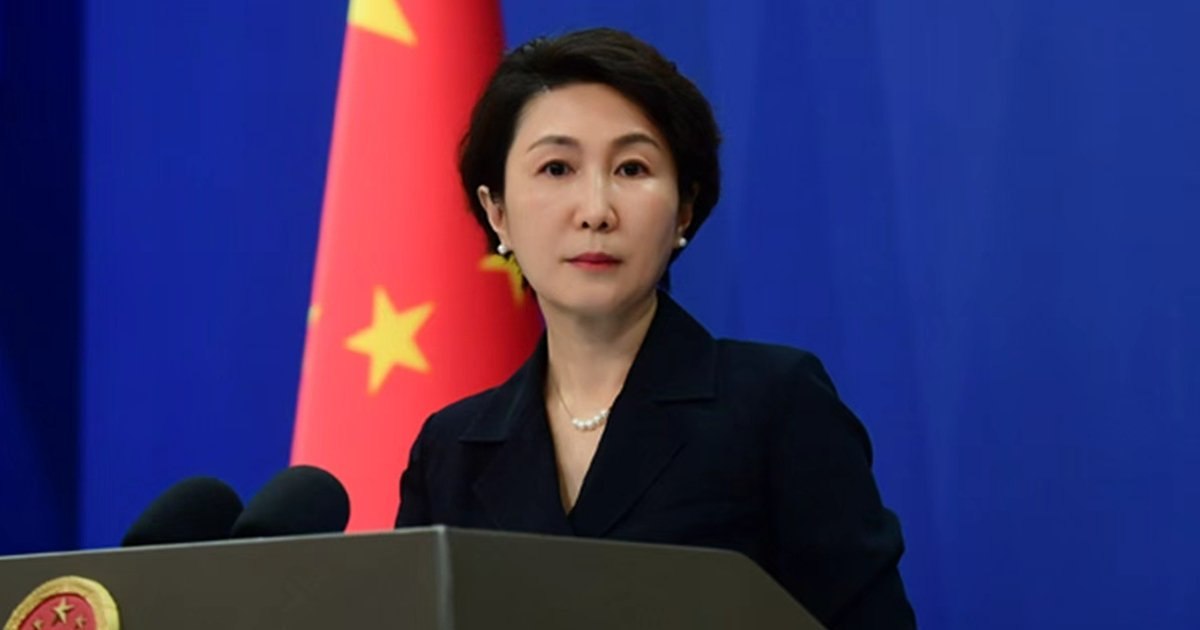
Mao Ning, spokeswoman for Chinese diplomacy/PHOTO:X
Russia's Foreign Ministry has sparked a new wave of tension on the diplomatic axis, warning that its forces will begin “systematic” strikes on military-industrial facilities and so-called “decision-making centers” in Kiev. Strategically, Moscow has explicitly asked foreign citizens and diplomatic missions to leave the Ukrainian capital urgently – a clear attempt to isolate Kiev diplomatically and spread panic.
Beijing's response, delivered through the voice of Foreign Ministry spokeswoman Mao Ning, kept to the traditional recipe of Chinese diplomacy: generic calls for calm and avoidance of naming Russia as the aggressor.
“China's position on the Ukraine crisis is consistent and clear. We believe that dialogue and negotiations are the only viable way to resolve the conflict. We call on relevant parties to work together to stop the escalation as soon as possible.”said Mao Ning, in response to a question posed by the Ukrinform agency.
Calculated silence in the face of pressure from Moscow
However, the great unknown remains the fate of the Chinese embassy. Pressed by reporters to say whether Beijing would cave in to Russian warnings and withdraw its diplomats from Kiev, Mao Ning refused to confirm or deny such a plan.
China maintained a steady diplomatic presence in Ukraine throughout the February 2022 invasion, even as it temporarily relocated embassy operations to Lviv in the west of the country in the early months of the war. A possible evacuation at this point would be interpreted as a signal of weakness or tacit complicity with Moscow's bombing plans.
While positioning itself as a neutral mediator, Beijing continues to refuse to label Russia's actions as illegal aggression and has largely stayed out of major international initiatives aimed at isolating the regime from the Kremlin. China's repeated calls for a ceasefire have been systematically ignored by Moscow, which continues its assault regardless of the rhetoric of its strategic partner in Beijing.
Kiev and the West reject “blackmail through fear”
The reaction of Ukraine and its Western allies to the new Russian threats was one of firm rejection. Ukrainian Foreign Minister Andrii Sîbiha immediately charged Moscow's rhetoric as “shameless blackmail”, stressing that Western diplomats would not be intimidated.
For her part, the ambassador of the European Union in Ukraine, Katarina Mathernova, confirmed that the diplomatic missions of the community bloc will remain in positions in the Ukrainian capital. Mathernova has sharply criticized the Kremlin's strategy, accusing Moscow of trying to turn fear into a geostrategic weapon in its war of attrition against Ukraine.