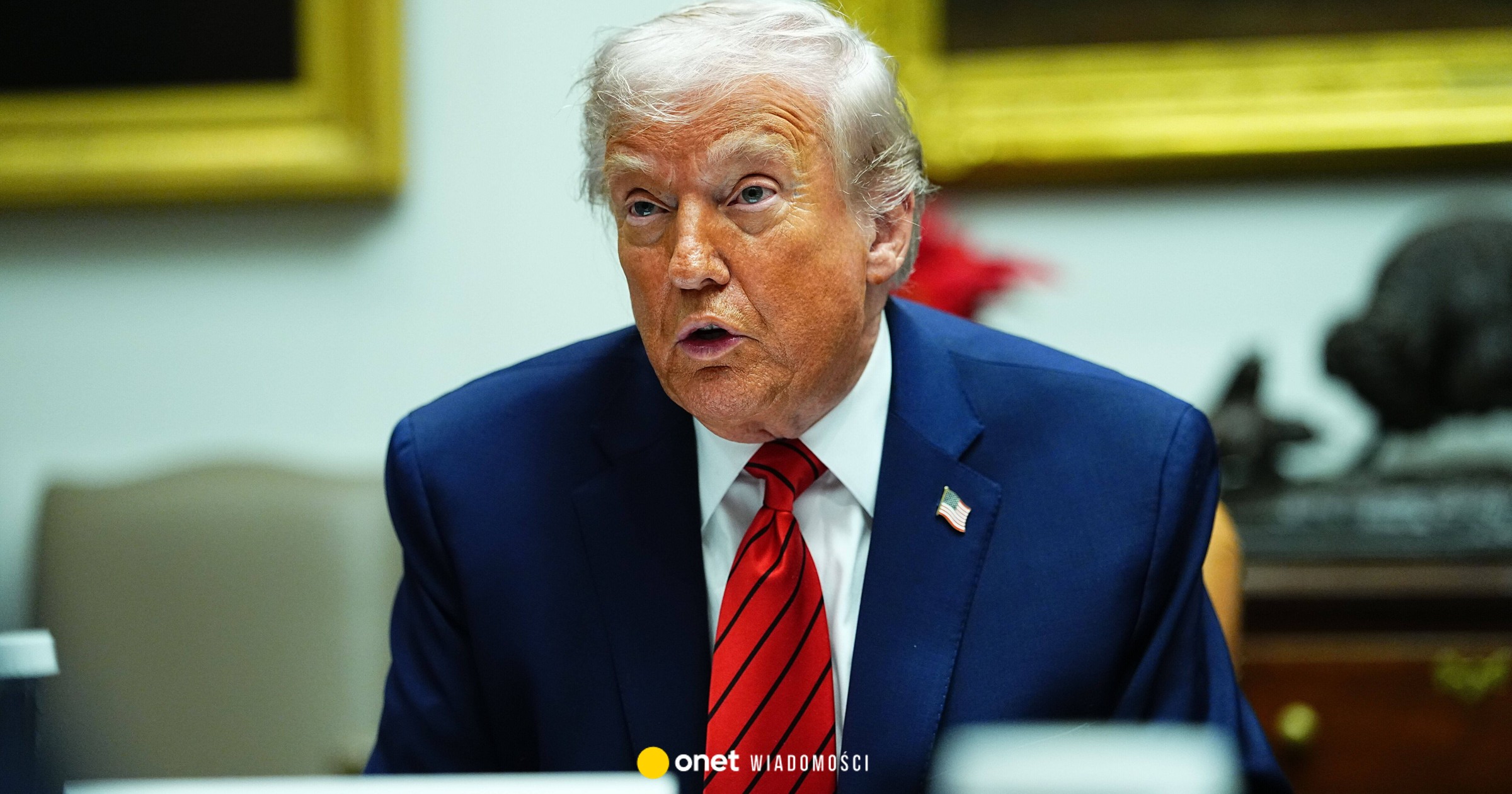
Political crisis in our country, viewed from the international scene: “The main fear is that Romania will not become a new Hungary”

Romania is once again in the center of international attention, after a period of political instability that followed the 2025 presidential elections and continues to this day. The cited analysts warn that Romania could enter a new stage of political instability, depending on how the future government will be formed. “The main fear is that Romania does not become a new Hungary”, says a Ukrainian analyst.
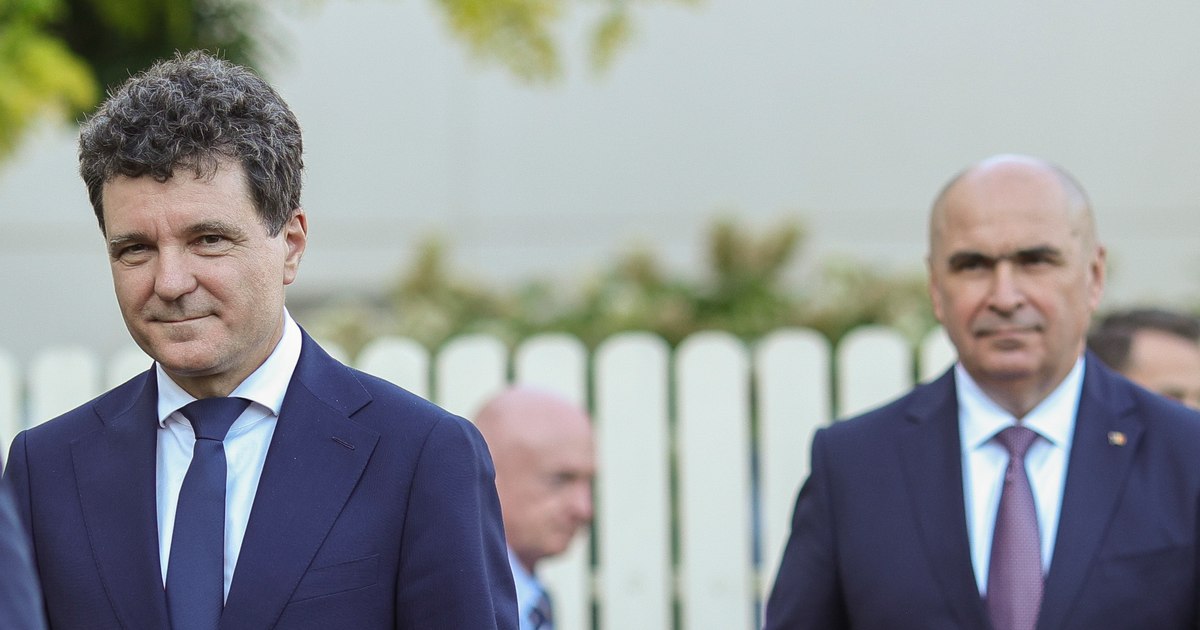
“The main fear is that Romania will not become a new Hungary”. PHOTO: Inquam Photos/Alexandru Busca
After the annulment of the results of the first round of the presidential elections by the Constitutional Court of Romania, amid accusations of external interference, the political scene was marked by major tensions. Later, in May 2025, the Romanians elected Nicușor Dan as president, perceived as a pro-European and pro-Ukrainian leader.
The analysis published by Suspilne Movlennia – the public radio company in Ukraine, cited by Rador Radio Romania, claims that, after these events, the political conflict moved to the Parliament in Bucharest, where the governing majority became unstable.
The Bolojan government and economic reforms
On May 5, 2026, the Parliament adopted the motion of censure against the government led by Ilie Bolojan, after a surprising alliance between the social democrats and the far-right AUR formation.
The executive installed in June 2025 launched an extensive package of reforms to reduce the budget deficit, which exceeded 9% of GDP. The measures included tax increases, administrative reforms, changes in the pension system and restructuring in state-owned companies.
The government also targeted the elimination of special pensions and the increase of the retirement age, reforms that generated strong opposition in society and within the coalition.
Coalition tensions and the withdrawal of political support
Social democrats became the main critics of the reforms, accusing negative economic and social effects. In the end, they withdrew their political support for the Prime Minister, which led to the fall of the Government.
Tanczos Barna does not believe in early elections: “They remain only a theoretical solution”
The analysis also shows that the dispute was also fueled by electoral losses, as well as internal discontent over the balance of power in the coalition.
The Rise of GOLD and Political Risks
In this context, the AUR continued to gain political visibility, amid social discontent and governmental instability.
The party is described in the analysis as a formation with Eurosceptic speech and critical of the military support given to Ukraine, and its leader, George Simion, is mentioned as a central figure in the current political dynamics.
Polls cited in the analysis indicate a significant increase in support for the AUR amid the economic crisis and political instability.
At the same time, the sociologist Barbu Mateescu recently declared for “Adevărul” that the AUR is at an image crossroads: it risks losing its aura as a party of revolt that established it.
“At the level of people who don't vote for AUR, AUR's statements will continue to have the known impact. AUR will not change its tone and therefore neither will its label. At the level of the Cotroceni Palace, I suspect that, at least, Simion's presence at the top of the party is relevant for defining AUR. Considering Nicușor Dan's clear opinions on the subject, the questions are good for after 2028. AUR is not in discussion for a government, the president being inflexible here. So the subject doesn't really exist.” says Barbu Mateescu.
Possible future scenarios
The cited analysts warn that Romania could enter a new stage of political instability, depending on how the future government will be formed.
Among the scenarios discussed are the formation of a minority government, the organization of new elections or the continuation of negotiations for a stable parliamentary majority.
“There is now a reconciliation initiative between these parties under the slogan of a “broad European coalition”. The main fear is that Romania will not become a new Hungary, which we got rid of after Orbán”, says Ukrainian analyst Marianna Prisiajniuk.
According to experts, a possible consolidation of the radical parties could influence both internal politics and Romania's position in the relationship with the European Union and Ukraine.
Despite the tensions, the cited analysts believe that Romania's pro-European direction remains dominant, but vulnerable to internal political and economic developments.