
Nine things that experts do not recommend in the garden

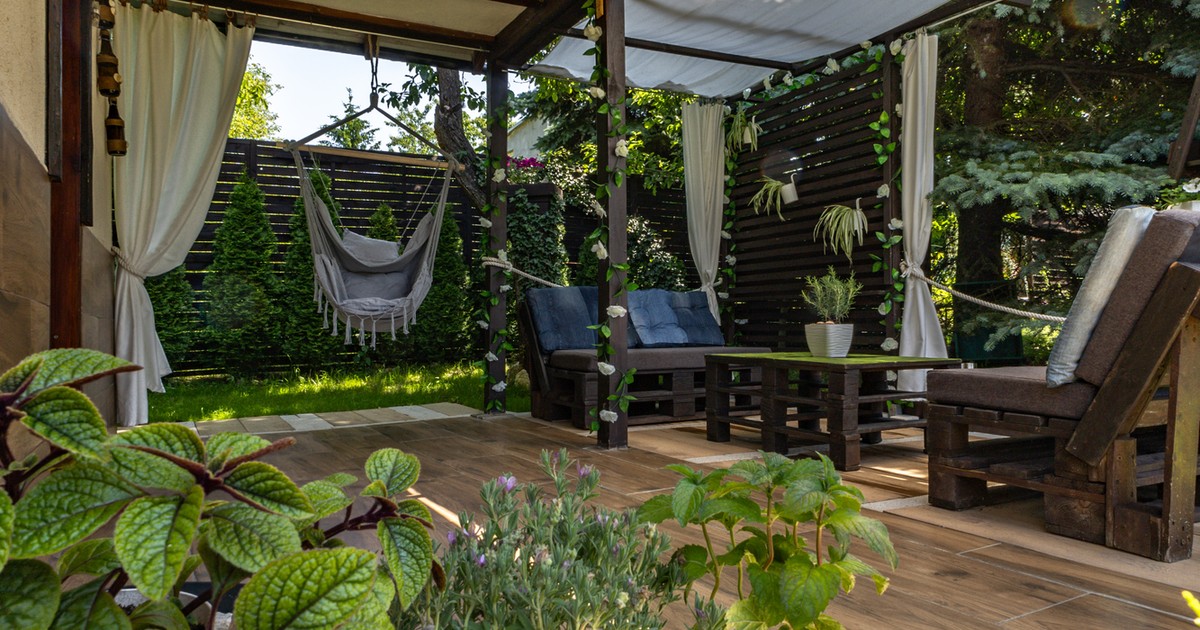
That's why Business Insider asked interior designers and gardening and landscape architecture experts what elements, objects and trends they would never use in their outdoor spaces.
Here's what they said.
Read also in BUSINESS INSIDER
Terracotta pots can be bothersome
Donna Letier, gardening expert and founder and CEO of Gardenuity, said she never uses terracotta pots in her outdoor spaces.
“This may be surprising, but I would never buy anything made of terracotta, including flower pots,” she tells Business Insider. — They are heavy to carry and are not the best choice for plants – he adds.
In some cases, moisture-loving plants may have difficulty growing in porous clay pots, and others require more frequent watering.
Instead, it is worth consulting with specialists at your local garden center to choose pots that match the aesthetics of the garden and are made of materials appropriate for the planned plantings.
Skip the hammock – it's not as comfortable as it seems
Hammocks may look attractive and comfortable, but according to Letier, they are not worth the trouble.
— I don't find them particularly comfortable. Once you settle in, you remember something you forgot, and getting in and out of the hammock can be difficult, he explains.
If you still want to relax lying down in the garden, consider purchasing comfortable loungers with high-quality, weather-resistant cushions.
Read also: Iwona and Magdalena chose ROD plots. One paid PLN 45,000. PLN, the second one PLN 1,000. zloty
Artificial grass is usually not cost-effective
Artificial grass may seem attractive if you dream of a green lawn all year round. However, it is not a magical solution that guarantees a perfect garden.
“Synthetic grass may look like real grass, but it will ultimately end up in a landfill,” says Lara Hermanson, licensed landscape contractor and co-founder of Farmscape.
He adds that artificial grass retains more heat than a natural lawn and still requires regular cleaningespecially if there are animals in the house.
Before making a decision, consider alternatives such as white clover or native grass species.
Wind chimes can be annoying
Jessica Holmes Holiday, founder and principal designer of HSH Collective Home and Design, said she always considers local weather conditions when choosing outdoor décor.
— We avoid noisy wind chimes and anything that breaks or falls easily during bad weather says BI.
In areas prone to frequent storms or hurricanes, they may be particularly troublesome.
Too many paved surfaces are harmful to the garden
Hermanson avoids excess paving stones or concrete because they limit the access of moisture to the soil. Moreover, such surfaces accumulate a lot of heat, which makes the garden unpleasant during hot weather.
— When precious rain falls, it is important that the water soaks into the soil and is stored there – says.
Excessive paved surfaces may also cause rainwater ponding.
Plastic flamingos do not look natural
According to Alice Moszczynski, interior designer at Planner 5D, plastic flamingos can detract from the natural beauty of the garden.
— They have their kitsch charm, but often lack the elegance and natural character desired in outdoor spaces – he explains.
If you want to add a touch of fantasy to your garden in a more stylish way, consider purchasing original sculptures or decorations from local artists.
Invasive plant species cause too much damage
Moszczynski would never plant invasive species in her garden, such as buckthorn, common allium or Japanese knotweed.
— As a responsible gardener, you must avoid planting species that may harm the environment and native fauna – appeals.
She recommends contacting your local garden center to find out which plants perform best in your region.
Furniture with cushions is not always practical
Laura Redd of Laura Redd Interiors does not keep furniture with cushions – chairs, sofas or armchairs – in uncovered outdoor spaces.
“I would never place furniture with cushions outdoors,” she says. — They always seem to get moldy, catch moisture, and stay wet when needed – he explains.
He also recommends a crate to store the removable cushions when not in use.
Fabrics intended for interior use are not suitable for outdoor use
If you decide on furniture with cushions in the garden, it is important to choose the right materials.
Marisa Bettencourt, founder of North + Fair Interior Design, avoids “fabrics intended primarily for interiors, such as cotton, leather or velvet.”
These materials fade and wear out quickly when exposed to sunlight and moisture. Acrylic and polyester fabrics, which are designed with outdoor conditions in mind, work much better.
The designer recommends using pillows and decorative pillows resistant to weather conditions, which are easier to keep clean and protect against mold.
The above text is a translation from American edition of Business Insider


