Budapest paralyzes Brussels. Sikorski: Hungarian blackmail blocks the 20th package of sanctions and EUR 90 billion for Kiev

2026-02-23 16:39
publication
2026-02-23 16:39
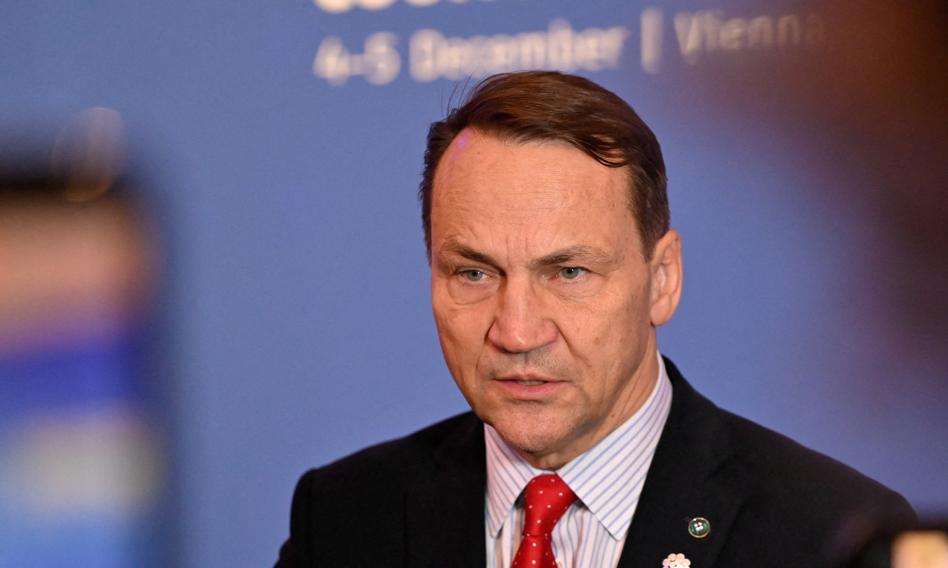
The head of the Ministry of Foreign Affairs, Radosław Sikorski, announced that the Monday meeting of EU foreign ministers in Brussels did not bring consensus on the 20th package of sanctions against Russia due to the blockade by Hungary.
As the head of Polish diplomacy emphasized, Hungary's “blackmail” against Ukraine was met with dissatisfaction by most EU foreign ministers, who appealed to Budapest to refrain from blocking the sanctions. The new restrictions were to be adopted on Tuesday, February 24, the fourth anniversary of Russia's full-scale invasion of Ukraine.
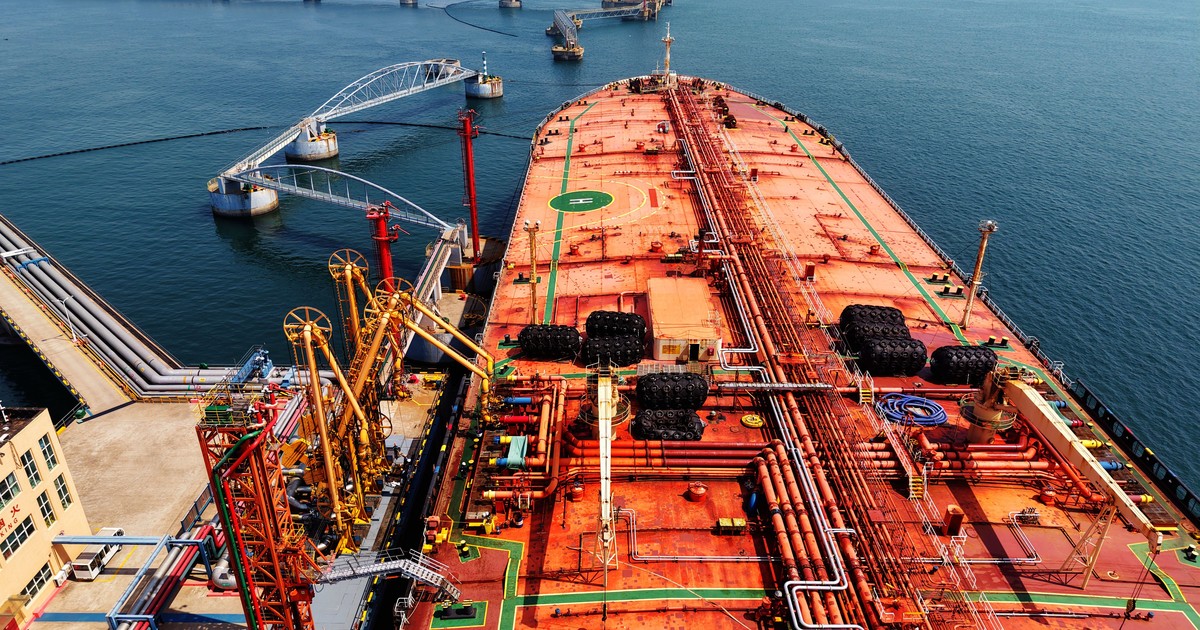
Before the start of the meeting in Brussels, the Hungarian authorities announced that they would block both the EU loan for Ukraine in the amount of EUR 90 billion and the 20th package of sanctions until Kiev resumes the transit of Russian oil via the Druzhba pipeline. The pipeline was damaged in late January as a result of Russian attacks.
Hungary is the most corrupt country in the European Union, said Deputy Prime Minister and Minister of Foreign Affairs Radosław Sikorski on Monday, referring to the words of the head of the Hungarian Ministry of Foreign Affairs that the European Commission is allying with Ukraine to block deliveries of Russian oil to Hungary.
The main route transporting Russian crude oil through Ukraine to Hungary and Slovakia, the Druzhba pipeline, has been closed since the end of January, when – as the Ukrainian side reported – it was damaged as a result of Russian attacks. The operator of the Ukrainian oil pipeline system, Ukrtransnafta, said on Friday that the oil pipeline was seriously damaged and was being repaired.
The authorities in Budapest and Bratislava maintain that Ukraine is deliberately delaying the restoration of gas transport.
Hungarian Foreign Minister Peter Szijjarto said on Monday that the EC “allied” with Ukraine and the Hungarian opposition – before the parliamentary elections scheduled for this spring – to block oil supplies to Hungary.
When asked about these words and whether Poland could be similarly “entangled” in such a narrative by Viktor Orban's government, Sikorski replied that “we have been dealing with these accusations for a long time.” – A bit like our opposition – first they agreed to the conditionality mechanism, and then, when it turned out that they were violating the rule of law, they were surprised that the EU withheld the money – said Sikorski.
– Hungarians have the same thing. Hungary is the most corrupt country in the European Union, said the deputy prime minister.
Sikorski recalled that Hungary is not using blackmail for the first time – it has already been used in the case of the European Peace Fund (referring to refunds to countries that sent equipment to Ukraine at the beginning of the war – PAP) and in the case of launching the first negotiation cluster in the EU's accession talks with Ukraine.
Asked about the possibility of organizing a summit of the leaders of Ukraine and Russia soon, as suggested by US special envoy Steve Witkoff, Sikorski said that he was not a “supporter of unprepared summits.”
– We already had a summit in Alaska (with the participation of US and Russian leaders – PAP), which did not bring any progress. The summits should seal the outcome of the negotiations (…) at lower levels. And in my opinion, the negotiating positions of Russia and Ukraine are still far from each other, said the head of the Ministry of Foreign Affairs. He added that he would prefer fewer spectacular peaks and more pressure on the aggressor.
Sikorski also said that he had repeatedly emphasized that peace negotiations should not take place without the participation of Europe. When asked who from the EU he would see at the talks table, the minister said that the answer was quite obvious, because since the member states committed themselves to conduct a common foreign policy in the treaties, they must allow EU representatives to represent the Union as a whole. In this situation, the Union should be represented at the level of ministers by the head of EU diplomacy, Kaja Kallas, and at the level of heads of government and heads of state – by the President of the European Council, Antonio Costa.
– If individual countries agree on something and then sideways try to reach something on a bilateral level, we should not be surprised that Europe's voice is weakened. I would like the Union's voice to be effective, because it also serves our interests, both commercial and security – said the minister.
From Brussels Jowita Kiwnik Pargana (PAP)
jowi/ akl/ mhr/