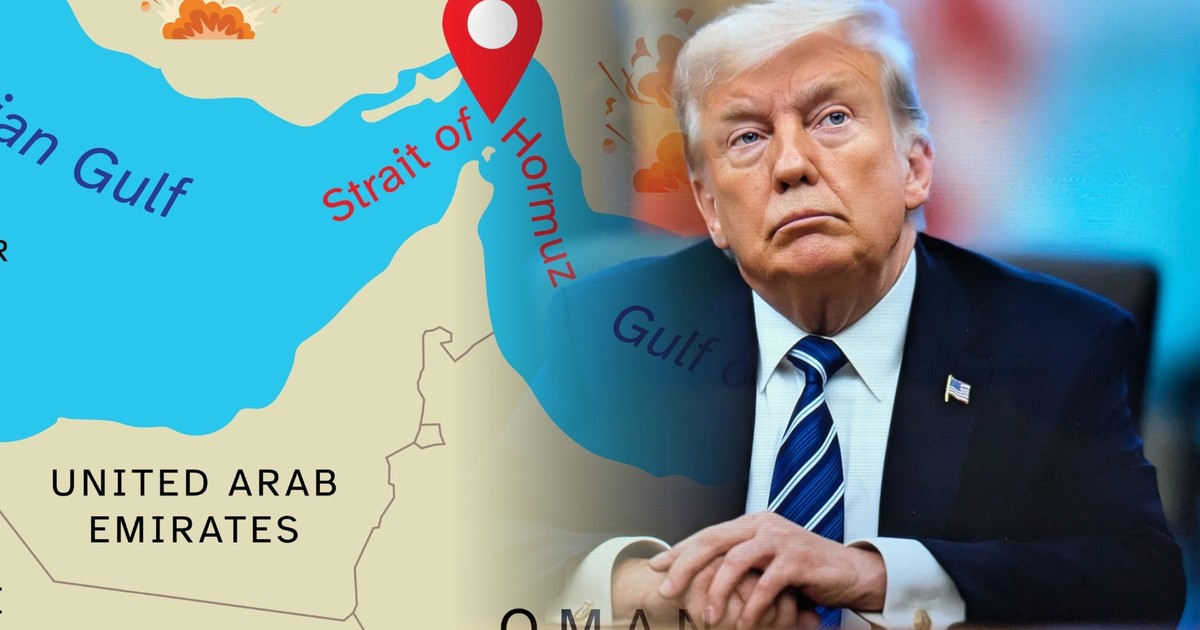
The Gulf states are afraid of a repeat of the recent scenario, in which a possible retaliation from Tehran would directly hit their economies, destabilizing key sectors – energy, ports and transport.
According to the sources, the leaders of three U.S. allies stressed in separate telephone conversations with Trump that military intervention would not advance American goals against Iran. The White House did not comment on the reports.
A turn in UAE politics
The United Arab Emirates' new position is a noticeable change. Until recently, this country was one of the most confrontational towards Iran and was itself one of the main targets of its attacks.
Although Riyadh, Doha and Abu Dhabi differ in their approach to how tough the US should be towards Tehran, they have one thing in common: the growing fear of a renewed escalation of the conflict.
This concerns the events at the turn of February and March, when Israel and the US launched a military operation against Iran. The fighting ended only at the beginning of April, after a fragile truce was concluded.
Read also: Fuel prices in Poland will fall. Analysts provided specific amounts
The region has already paid a high price
In response to military actions, groups in Iraq launched thousands of drones and missiles towards Gulf countries, leading to the deaths of dozens of people and losses amounting to billions of dollars. They suffered, among others: ports and energy infrastructure.
“The Arab Gulf states have seen their worst fears come true,” says Dina Esfandiary, an analyst at Bloomberg Economics. — They found themselves in the middle of the US-Iran war and suffered the greatest consequences. Now they are at risk of renewed confrontation if the truce fails to turn into a lasting agreement, which could threaten their image as stable oases in the region.
Additionally, the tensions revealed differences in the approach of the Gulf states themselves. According to Bloomberg News, the UAE was disappointed by the lack of a joint, decisive response to the Iranian attacks.
Abu Dhabi opted for limited retaliation in cooperation with the US and Israel, while Saudi Arabia acted more restrained and on its own.
Read also: The Russian economy has a serious problem. It can decide the fate of the war
Negotiations are ongoing, but there is no breakthrough
A truce between the US and Iran has been in place since April 8, and both sides are conducting indirect talks – through Pakistan – regarding a potential peace deal.
For now, however, progress is limited: US Secretary of State Marco Rubio talks about “little progress”, similar signals are also coming from the Iranian media, and at the same time both Washington and Tehran declare their readiness to resume fighting.
Pakistan Army Chief Asim Munir's visit to Tehran, however, may suggest that diplomatic channels remain active.
For the Gulf countries, the stakes are extremely high. Another escalation would mean not only a military risk, but above all a blow to the foundations of their economies – based on stability, foreign investments and energy exports.