
American media warn that his plan assumes a radical withdrawal of the institution from the role of “lender of last resort” in international crises. Such a change in doctrine may drastically deepen the upcoming economic turbulence.
Read also: Orlen is ahead of Gazprom and chasing Lukoil. Russian giants are losing billions
A new Fed chief is on the horizon. No more extinguishing global fires
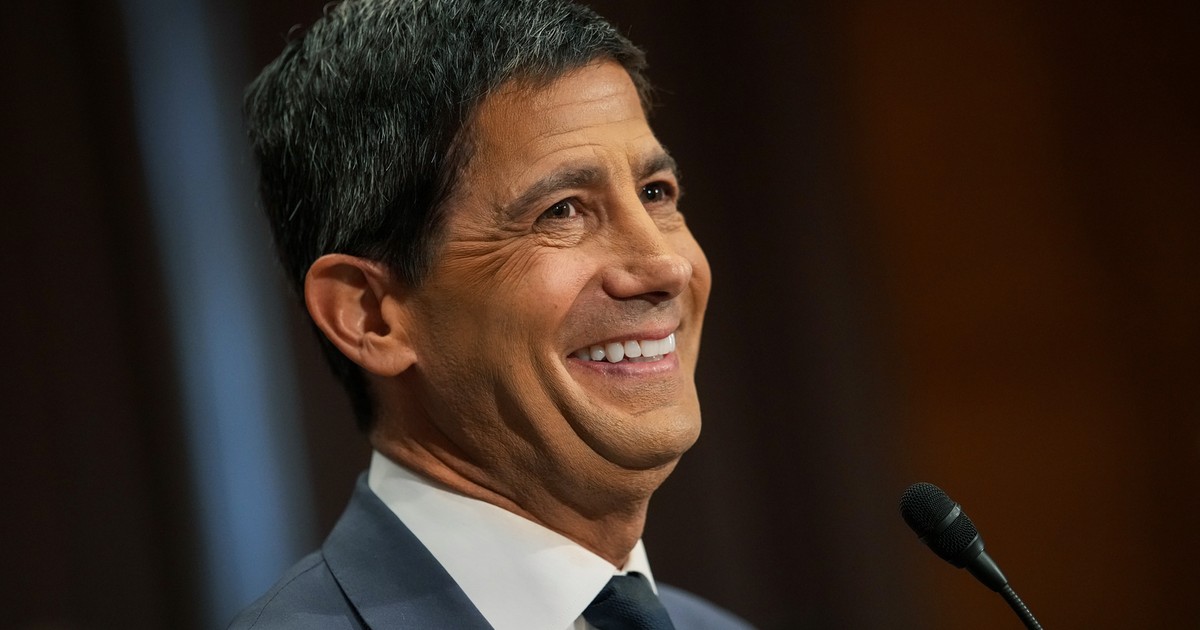
During his hearings before the U.S. Senate, Kevin Warsh made it clear that the Fed would move into passive mode under his leadership.
According to him the independence of the US central bank should not go too far, and decisions on the possible rescue of foreign institutions must be closely coordinated with the White House and Congress.
As Reuters notes, these words caused a stir panic among the world's central bankersfor whom limiting the Fed's global role threatens to immediately destabilize markets.
US Treasury Secretary Scott Bessent confirmed this course, announcing that the Federal Reserve would lose the dominant position it had enjoyed since the crash of 2007-2009.
However, the Brookings Institution think tank reminds that that's when the Fed saved the global system by providing liquidity through dollar swap lines to the European Central Bank and the central banks of Japan, Britain, Canada and Switzerland. Since the dollar is the foundation of global reserves, cutting off or even suggesting limiting access to the US currency in the face of panic will tie the hands of other economic stimulators around the world.
Read also: How much can you earn from renting an apartment in 2026? Less than you think
Fortune magazine adds that the new policy will be a test for Warsh himself, on whom President Donald Trump's administration intends to put more pressure than any previous government.
The specter of recession on the horizon
The concern is heightened by the fact that the risk of another crisis is growing rapidly.
“The Economist” weekly predicts the imminent bursting of the speculative bubble around the artificial intelligence sector, which may push the world into a recession.
In parallel, the British institute Chatham House warns of the disastrous consequences of the blockade of the Strait of Hormuz, which is fueling a massive global inflation shock. In conditions where central banks must respond frantically to rising energy prices, the lack of American emergency liquidity programs (Emergency Lending Facilities) will deprive them of a key safety cushion.
If Warsh's proposal becomes law, governments and corporations will be deprived of the mechanism to purchase bonds and debt in moments of greatest panic, which would herald the arrival of an era of unprecedented financial instability.


