“Devil's Child”. The rise and fall of the only female member of the Yakuza, the dreaded Japanese mafia

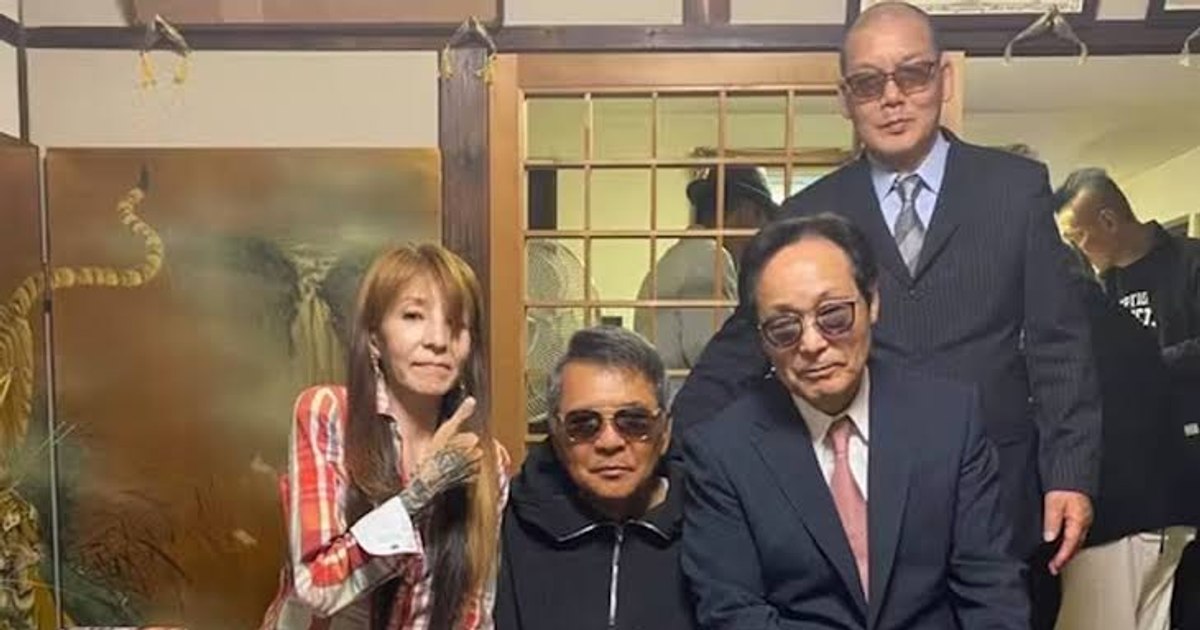
Mako Nishimura punched her way into the Japanese underworld, but drug addiction and the slow decline of organized crime syndicates brought her to the brink of destruction.
Mako Nishimura entered the ranks of organized crime in 1986/FOTO:X
In almost 40 years, Mako Nishimura has not lost a fight. He says it with disarming simplicity, as if he were describing the succession of days and nights. At just over 1.5 meters tall and with a frail build, Nishimura is perhaps the only woman to become a full-fledged member of the Yakuza—Japan's feared and rigid underworld. When asked how she managed to put down so many male gangsters, her answer comes sharply, under the calm guise of a country priest: “Feet first. Ground him with a stick or a board.” Then get to work.
This extreme tolerance for violence propelled Nishimura into the ranks of organized crime in 1986. At the time, she was only 19 years old, a runaway from home, and had already been through a juvenile prison. One night, jumping to the aid of a pregnant friend who was being attacked by five men, Mako grabbed a baseball bat and left the assailants in a pool of blood.
Her escape to Tokyo and the reputation she gained opened the doors to the Inagawa-kai clan, and she later joined the syndicate led by Ryoichi Sugino, a convicted murderer but with a fatherly aura that fascinated her. At just 20 years old, through the ritual sakazuki (exchange of sake glasses), her loyalty became total: if the boss said that a crow was white, she had to approve, writes The Guardian.
The rise of the Golden Age of the Yakuza and the live meat business
In the 1980s, when Nishimura entered the ranks of the Japanese mafia, the Yakuza was not just a group of outlaws. Crime syndicates were institutionalized, growing in symbiosis with the state, controlling casinos, golf courses, corporations and even politicians. Profits were in the hundreds of millions of dollars.
Nishimura established himself quickly, ignoring the men's ironies through the efficiency with which he managed the methamphetamine trade and prostitution rings. One of his main sources of income was placing vulnerable or drug-addicted women on Watakano, the famous “Prostitute Island”. In his memoirs, Mako unabashedly describes the cruelty of those years: capturing runaway young women, seizing them and delivering them to tragic fates. “If you're in the Yakuza and you don't do bad things like that, you can't get promoted,” she confesses today.
What is hidden behind the decline of the Yakuza, the dreaded Japanese mafia organization
Oxford University researcher Martina Baradel confirms Nishimura's exceptional status in a deeply patriarchal culture. Although there have been strong female figures in the shadows of Yakuza leaders, Mako remains the only woman to have gone through the formal initiation rite, being recognized as a “man” among men.
The Price of Blood: Ritual Self-Mutilation and the Decline of an Empire
Financial success, however, came with a steep personal decline. Heavy use of methamphetamine threw her into severe episodes of paranoia and hallucinations. When the head of the clan, Sugino, discovered that his subordinates were using drugs, Nishimura was forced to ask for forgiveness in the traditional mafia way: yubitsume, cutting off her own finger.
With fearsome self-control, Mako pressed a short sword over his little finger and stepped on the blade. Because the cut wasn't complete on the first try, he repeated the gesture, severing the finger at the second wrist before going to the hospital. Later, even other less-than-angelic gangsters would call on her, for a fee, to perform their ritual amputations.
Along with the personal drama, the entire Yakuza structure began to crumble in the 90s. The collapse of Japan's economic bubble and public outrage over political corruption forced the passage of draconian RICO-style laws in 1992 and later total financial bans in 2011. Yakuza members were locked out: they could no longer open bank accounts, buy cars or get SIM cards. From over 184,000 members in the 1960s, their numbers have dropped below 30,000 today, with traditional organizations being replaced by volatile cybernetic groups (tokuryū) or foreign mafias.
The road to salvation and the reconstruction of a broken family
The birth of his first son at the age of 29 was the trigger. “I never thought I could die for someone. But when I had children, I felt like I would,” says Nishimura. He cut ties with the Yakuza, gave up drugs and tried to lead a normal life. But the past followed her: employers rejected her on the spot when they saw her tattoos (irezumi) covering her back and neck or her amputated finger.
After a relapse into the world of crime and an attempted suicide with tranquilizers, Mako met Satoru Takegaki, a former high-ranking enforcer of the dreaded Yamaguchi-gumi clan, founder of an NGO (Gojinkai) dedicated to the reintegration of ex-gangsters. Inspired by him, Nishimura opened a branch in Gifu itself, helping her former comrades find shelter, addiction treatment and construction jobs.
However, his real victory is not measured in geopolitical figures or criminal cases, but in the privacy of a cafe in Gifu. There, after more than two decades of secrets, estrangement and tears, Mako was reunited with her mother and brother. Looking back on the decades of violence, Nishimura flashes a bitter smile that hides a last shred of the cynicism of the world she escaped: “If I had been a man, my pride would have killed me long ago,” she says.