— We in the West sometimes misjudge Russia's level of readiness to take strategic risks, said Michael Claesson, commander-in-chief of the Swedish armed forces, told DPA news agency. — The Russians know that all Western countries invest massively in defense. So why should they wait when there are still vulnerabilities that can be exploited? – he added.
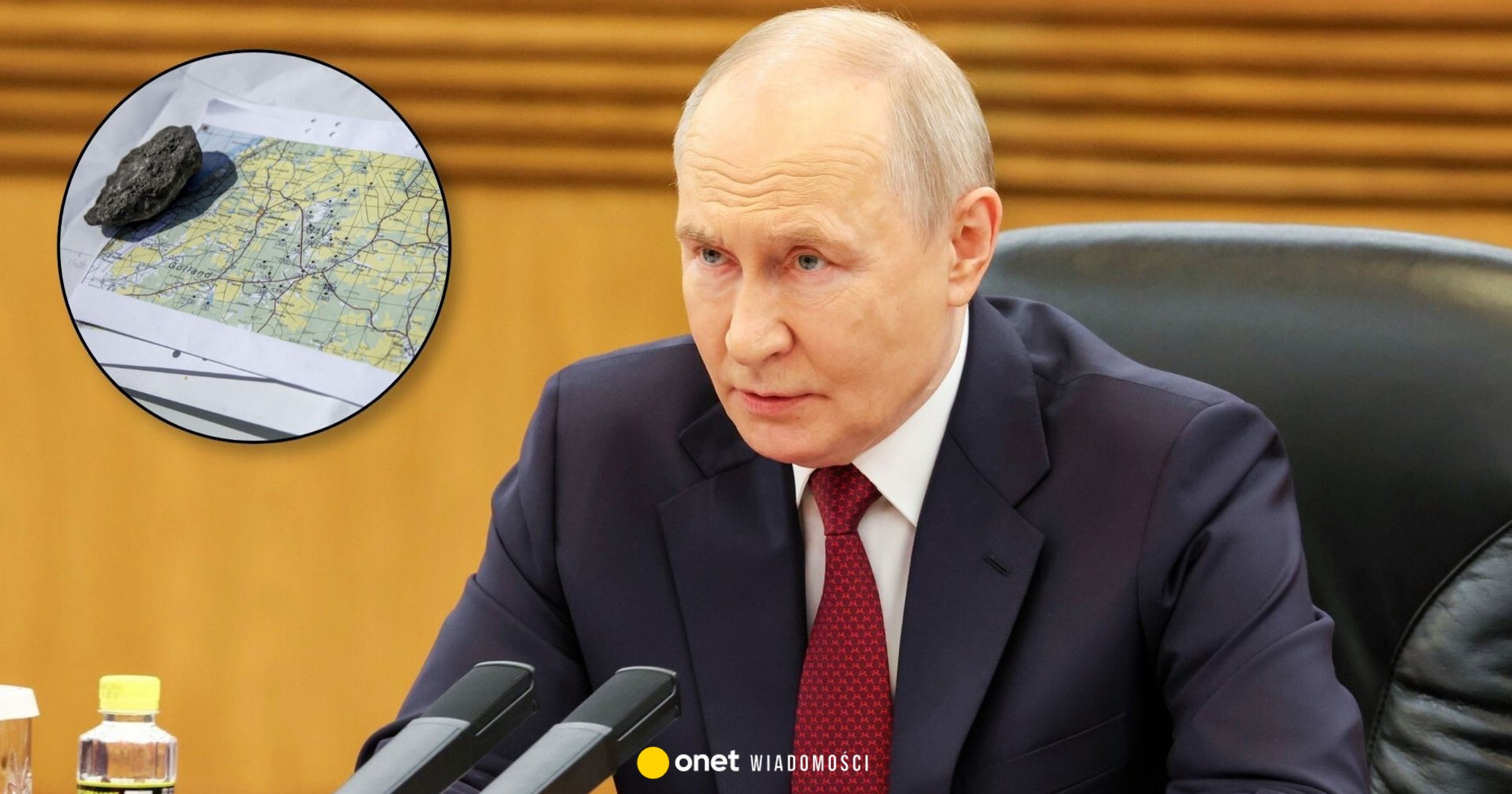
Military expert Thomas Theiner pointed out NATO's weak point. — If Gotland falls into Russian hands, the Russians will place anti-ship missiles and air defense systems there, which will make the entire Baltic Sea useless for NATO ships, he said.
And this, in his opinion, would put Oslo, Stockholm, Copenhagen, Berlin and Warsaw within Russia's reach. NATO fighter planes could then reach the Baltic states only from the north, through Finland. A direct flight from the west or south would be too risky.
— From Gotland, the Russians could also attack Oslo, Stockholm and Copenhagen using Iskander ballistic missiles from Kaliningrad. Berlin and Warsaw are also within their range of operations, he added.
The article continues below the video
Gotland, the largest island in the Baltic Sea, is under the jurisdiction of Sweden and, since the country joined NATO, also under the control of the alliance – it is often called an “aircraft carrier” or a “fortress” of NATO. According to Theiner, it has strategic importance for him.
— If NATO loses Gotland, it will have to regain it. An attack on an island full of anti-ship missiles and air defense systems would cost the lives of thousands of NATO soldiers. Preserving Gotland is essential. It was not without reason that Gotland was the most militarized island in Europe during the Cold War, he added.
Thomas Theiner served on the General Staff of the Italian Army's Mountain Infantry Corps. He has been living and working in Ukraine since 2009, and since 2014 he has been an active member of the army.
Military exercises
NATO countries are aware of the strategic importance of the island. From April 27 to May 13, the “Aurora 26” maneuvers were held there – the largest international military exercises of the year, in which 16,000 people took part. soldiers from Sweden and about 1,500 soldiers from allied armies from the United States, Great Britain, Finland, Norway, Estonia, Latvia, Ukraine, Denmark, Germany, the Netherlands, Canada and France. They all practiced a common response to a scenario called “phase zero” in NATO.
Gotland plays a very important role in it. Thanks to its location in the middle of the Baltic Sea, it would be an “unsinkable aircraft carrier” – both a starting point for air and sea defense and a supply center to the east. In the event of a threat, the Baltic states – connected to NATO only by a narrow isthmus of land – would be particularly dependent on supplies via the Baltic Sea. From Gotland, this route can be effectively defended or blocked.
— Whoever controls Gotland controls the Baltic Sea. It is crucial for both NATO and Sweden to maintain control over it, said Col. Andreas Gustafsson, commander of the Gotland P18 regiment stationed on the island.
I’m Ashley Davis as an editor, I’m committed to upholding the highest standards of integrity and accuracy in every piece we publish. My work is driven by curiosity, a passion for truth, and a belief that journalism plays a crucial role in shaping public discourse. I strive to tell stories that not only inform but also inspire action and conversation.