“Iran and Oman must mobilize all their resources, both to provide security services and to manage navigation in the most appropriate manner“- Iranian ambassador to France, Mohammad Amin-Nejad, said in an interview with Bloomberg on Wednesday.
Read also: Orlen is ahead of Gazprom and chasing Lukoil. Russian giants are losing billions
The diplomat also directly announced the commercialization of the route. ““This will incur costs and it goes without saying that those who want to benefit from this move must also pay their share.” – he added.
Oman authorities they have refrained from commenting on this matter for now.
“Safe passage” of the Strait of Hormuz
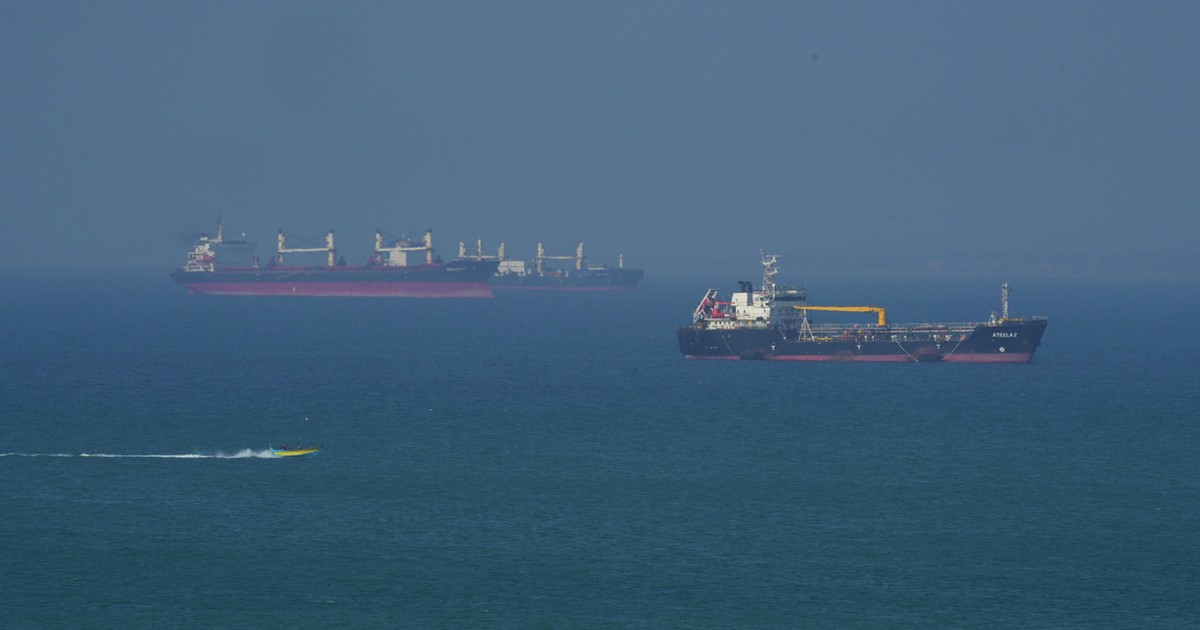
Tehran makes the full opening of the strait conditional on the US lifting the naval blockade of Iranian ports. What's more, A special body has already been created – the Persian Gulf Strait Authority – which demands fees of up to USD 2 million from selected entities. for the so-called safe passage.
Tehran's plans are causing fury in the West and among its Arab neighbors in the Persian Gulf. — Once you accept that one country can take the world's most important waterway hostage, freedom of navigation as we know it will come to an end. – commented Sultan Al Jaber, head of the main oil company of the United Arab Emirates, sharply.
Read also: Retirement age in Poland is rising. This has already happened
A fragile truce and Washington's failed analyses
Currently, there is a fragile truce between the US and Iran, introduced on April 8, and the parties are exchanging diplomatic messages via Pakistan. However, the future of the strait remains a major point of contention – the US and Europe believe that Hormuz must remain in international waters. Meanwhile, US President Donald Trump has gone from suggesting that the US should collect fees there to categorical warnings against Tehran.
The Iranian ambassador stressed in Paris that Washington had underestimated his country's resilience. “Their analysis was based on the belief that by putting pressure on the Iranian public through sanctions and a total embargo, they would be able to completely solve the problem in three or four days. They imagined that Iran was another Venezuela, Amin-Nejad concluded, referring to the recent capture of Venezuelan President Nicolas Maduro in January 2026.