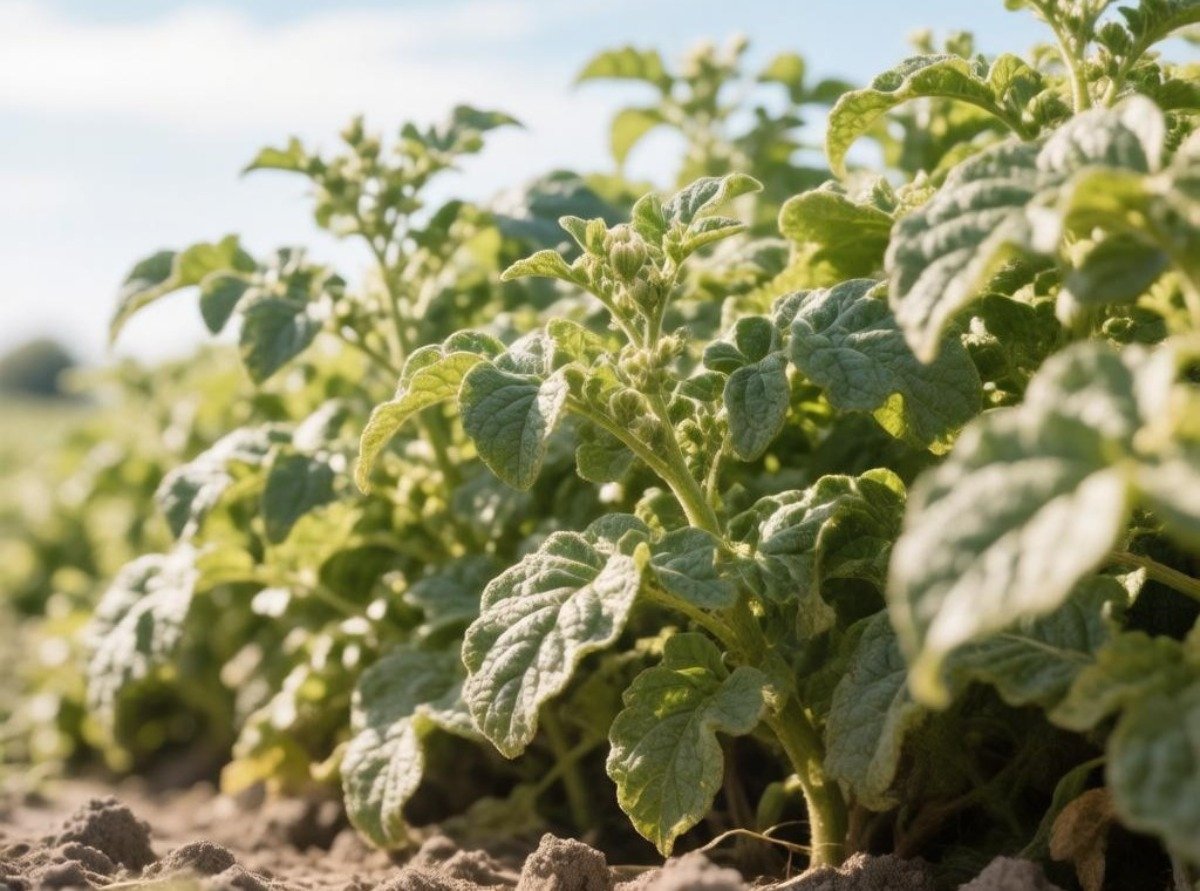
Experienced gardeners note that the period after emergence is a decisive stage for potatoes. How you organize care now determines what the harvest will be like in the fall. If you miss time, the bushes will waste energy on greenery, and the tubers will remain small. Here are sequential steps that will help you grow even, long-lasting vegetables.
In order for root crops to develop evenly, it is important to loosen the soil and remove weeds in a timely manner. If the plantings are overgrown with grass, the root system will experience oxygen starvation and the yield will decrease. Carry out the first loosening immediately after sprouts appear, when the weeds are still weak. The depth of treatment should not exceed five centimeters so as not to damage young roots. In the future, weed the beds as needed, especially before the tops close.
Potatoes need moisture, but watering must be strictly dosed. Excess water causes the tubers to rot, and drought makes the pulp dry and tasteless. During the period of buds and flowering, moisten the plantings every five to seven days, pouring eight to ten liters under each bush. After flowering, the frequency is reduced to once every ten days. Three weeks before digging, watering is completely stopped so that the peel has time to get stronger and the harvest can be stored for a long time.
To form tubers, potatoes require potassium and phosphorus, while nitrogen in large doses will be harmful. Excessive fertilizing with nitrogen will provoke vigorous growth of leaves to the detriment of root crops. During the active growth phase, use wood ash or potassium sulfate, diluted according to the instructions. It is not recommended to apply fresh manure or bird droppings, as they increase the risk of scab and deformation of tubers. If the soil was filled with organic matter in advance, additional fertilizing may not be necessary.
Timely protection against the Colorado potato beetle and late blight preserves the integrity of the crop. It is better to start prevention before the first signs of damage appear. Treat plantings with biological preparations every ten to fourteen days, alternating formulations for stability. To repel pests, mustard powder is scattered between the rows or the bushes are sprayed with an infusion of garlic and laundry soap. Healthy plants tolerate weather fluctuations more easily and produce more marketable tubers.
Hilling protects the tubers from sunlight and stimulates the formation of additional stolons. Carry out the procedure in three stages: when the bush is fifteen centimeters high, after flowering and two weeks after the second treatment. The soil is raked to the base of the stem with a roller about ten centimeters high, leaving the tops in the light. This technique prevents greening of the upper tubers and increases the overall productivity of the bed.
These proven steps will help you produce large, shelf-stable, tasty potatoes that will keep your family stocked all winter.