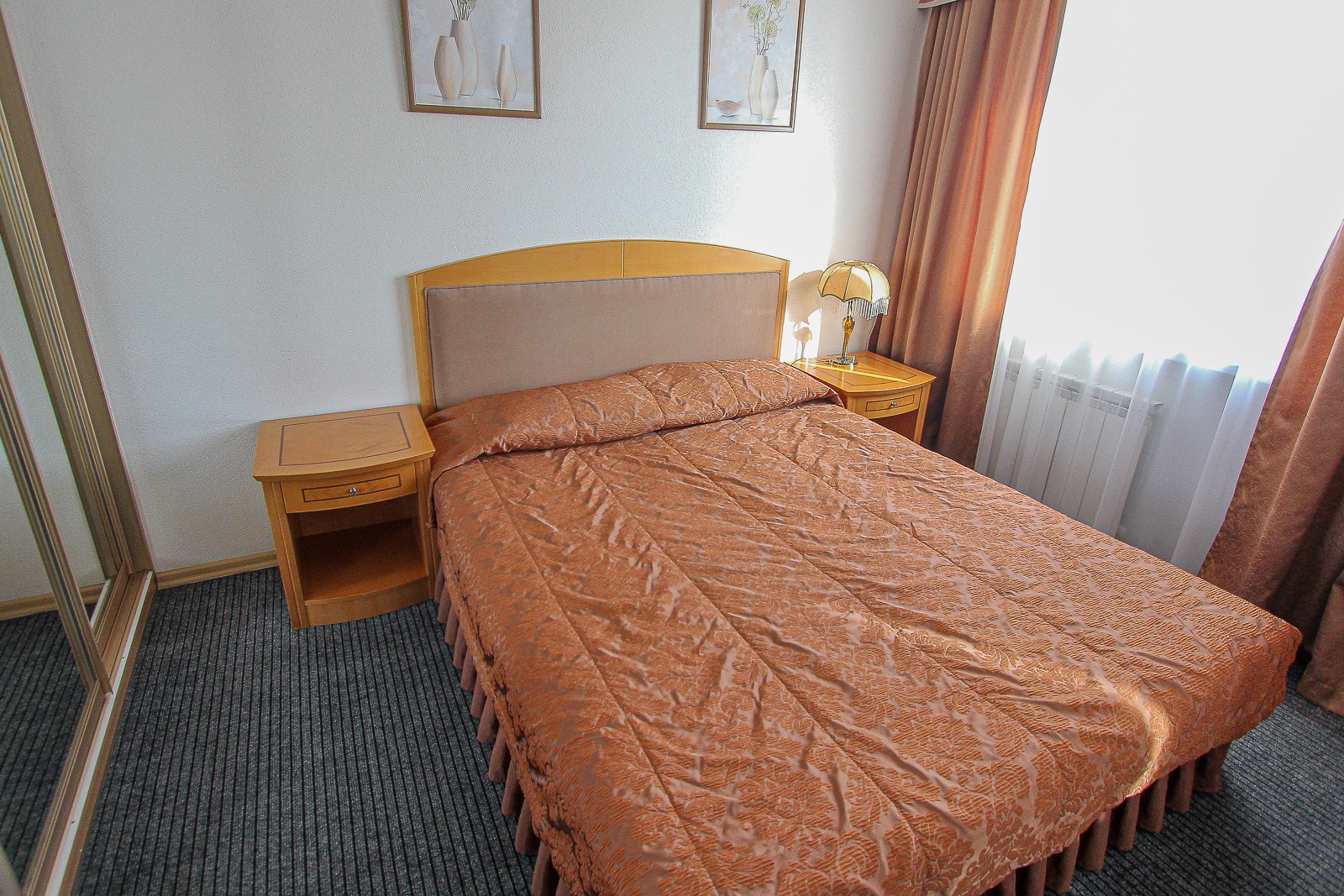
In 2026, tourists are increasingly faced with a situation where the luxury hotel in the photo turns out to be a tired building with noisy air conditioning, old furniture and a sea view that can only be seen if you lean out of the window. Tourism market experts say: stardom has long ceased to be a guarantee of quality. In some countries, the system is assessed by local associations, and the criteria can vary greatly.
But in practice, the travel brochures write so beautifully that you’re already packing your suitcase. And the photos of the hotel seem to say: “Come, we love you here and are waiting for you.”
First tip
Look at the photo. Photos that are too “ideal” are a wake-up call. If all the pictures look like renderings from a catalog, without random details and live shots of tourists, you should be wary. In 2026, experts see an increase in AI processing and the use of stock images in the hotel business.
Second tip
Look not at the overall rating, but at the content of negative reviews. If people regularly complain about dampness, noise, dirt or photos that don’t match, the problem is real. But dozens of identical enthusiastic comments like “the best hotel in the world” often turn out to be fake.
Third tip
Check your geolocation. Experienced travelers advise opening Google Maps and comparing the hotel’s photos with street panoramas. Sometimes “beach nearby” means a 20-minute walk through a construction site, and “city center” means the outskirts. Tourists in 2026 are massively complaining about substitution of photos and false descriptions of accommodation facilities.
Travel expert Anna Levchenko advises Russians to always look for user photos without filters and check the date of hotel renovation:
“If a card has a lot of night shots, close-ups of decor and almost no bathroom or regular rooms, it’s an attempt to hide flaws.”
Another sign of a trap is that the price is too low for the stated level. Especially in popular countries in Asia and the Middle East. Experts recommend comparing the property on at least three sites and avoiding bookings through dubious links on social networks, Turprom writes.
Previously, we wrote about countries that are displacing Thailand. Vietnam is cheaper, China is more interesting.