Diesel and gasoline prices at gas stations have soared in recent weeks as the economic impact of the war in the Middle East begins to be felt by consumers across sub-Saharan Africa, the FT reports.
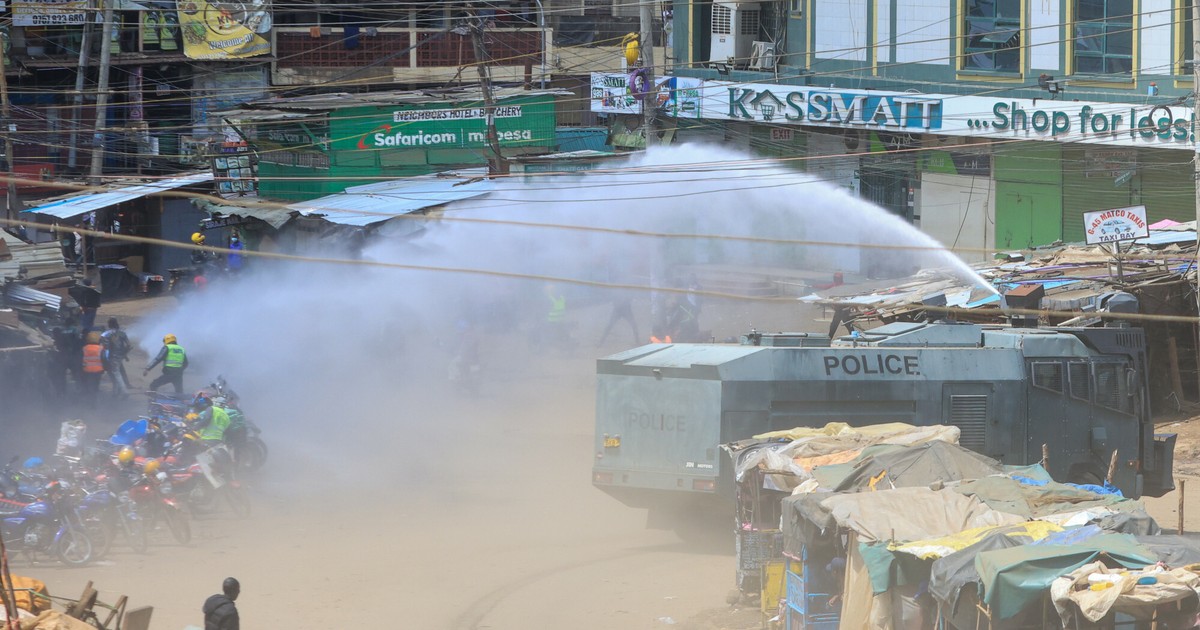
The impact of the war on many African economies was initially mitigated by government fuel subsidies and regulated prices. But eventually governments have been forced to pass on further fuel price increases because they can no longer afford the cost of the subsidies. The decision taken by the Kenyan government last week to increase diesel prices by 23.5 percent. sparked protests that killed four people this week and a transport strike that paralyzed the country, closing many businesses and schools.
However, Kenyan opposition politicians emphasize that this is not likely to be the end – and that the worst may still come.
Industry representatives believe the impact of the conflict in the Middle East could worsen as continuing disruptions in the Strait of Hormuz limit global oil supplies and drive up fuel prices.
“There is a growing scenario of higher prices for a longer period of time, which we believe will persist over the next few months,” says Mark Russell, CEO of Puma Energy, which operates over 700 gas stations in Africa, to the FT.
And the crisis is taking an increasingly bloody toll. In recent days, the island nation of Comoros suspended fuel price increases following deadly protests. A strike by minibus drivers has paralyzed Mozambique's capital, Maputo, after diesel prices rose by 46%. Similar situations can be observed in virtually every part of the African continent.
See also: Europe has a pricing problem. See how Poland compares to other countries